Table of Contents
- Foam Rolling Before Exercise: Is It Useful?
- What Is Foam Rolling?
- Why Do People Foam Roll Before Exercise?
- What the Research Says About Pre-Workout Foam Rolling
- Foam Rolling Before Exercise: Benefits You Can Count On
- Potential Downsides and Myths
- How to Foam Roll Before a Workout (Step-by-Step)
- Foam Rolling vs. Dynamic Stretching Before Exercise
- Who Should Foam Roll Before Exercise?
- When You Should Skip Foam Rolling Before Exercise
- Foam Rolling After Exercise vs. Before: Which Is Better?
- Sample Pre-Workout Foam Rolling Routine
- Common Mistakes to Avoid
- Conclusion
- FAQs
Foam Rolling Before Exercise: Is It Useful?
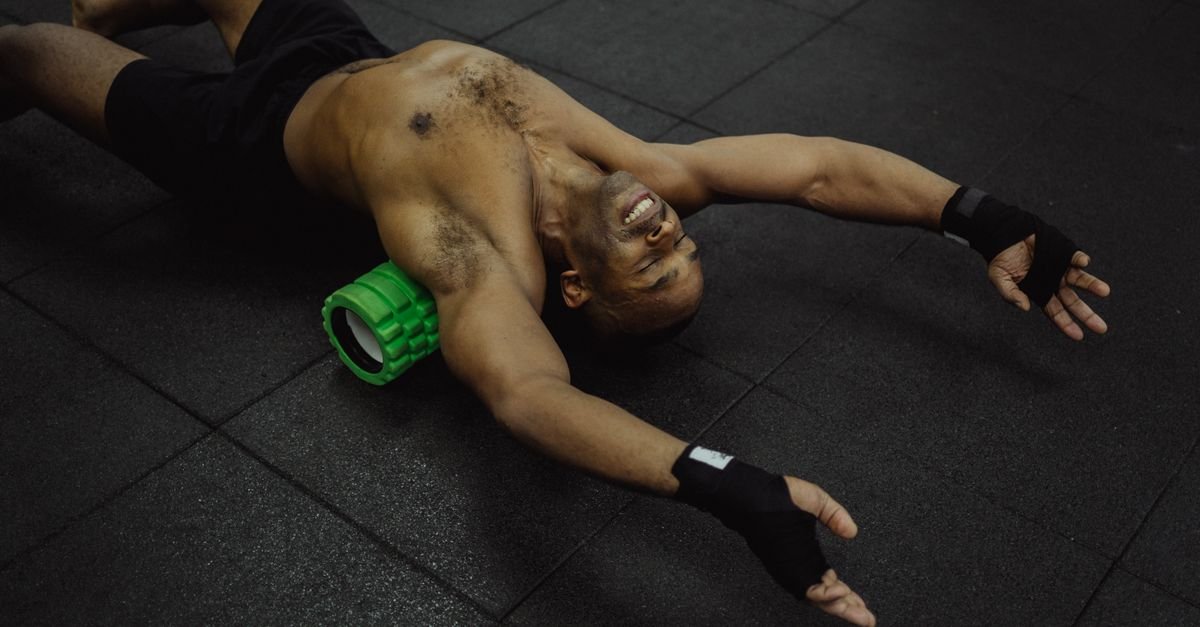
You walk into the gym, drop your bag, and see someone sprawled on the floor, rolling around on a cylinder like a human doughnut. Maybe you’ve done it yourself. Maybe you’ve wondered if it actually does anything. Foam rolling before exercise has become a ritual for runners, lifters, and weekend warriors alike. But is it useful, or is it just a fancy way to look busy before your workout?
The short answer is yes, it can be useful, but not in the magical, cure-all way some people claim. Think of it like a warm-up appetizer. It won’t replace the main meal, but it can make the whole experience feel smoother. Let’s dig into what foam rolling really does, what the research says, and how to use it wisely before you train.
What Is Foam Rolling?
Foam rolling is a form of self-myofascial release. That’s a mouthful, I know. In plain English, it’s a way to massage your own muscles using a foam cylinder. You use your body weight to apply pressure to specific areas, then slowly roll back and forth. The goal is to release tension, improve blood flow, and help you move better.
People often call it “the poor man’s massage.” That’s a pretty good analogy. A massage therapist uses hands and elbows to work through tight spots. You use a foam roller and gravity. It’s not as precise, but it’s cheap, portable, and you can do it almost anywhere.
The Science Behind Self-Myofascial Release
Here’s where things get a little nerdy. Your muscles are wrapped in a web of connective tissue called fascia. When you train hard, sit too long, or get stressed, that tissue can get sticky and tight. Foam rolling applies pressure that may help break up those adhesions, or at least calm down the nervous system’s perception of tightness.
But let’s be clear: foam rolling doesn’t permanently lengthen your muscles. You’re not literally ironing out knots like wrinkles in a shirt. Instead, you’re sending signals to your brain that it’s safe to relax. That can lead to a temporary increase in range of motion. It’s more about communication than mechanical destruction.
What Foam Rolling Actually Does to Muscles and Fascia
When you roll over a tight spot, you’re creating pressure and friction. That pressure can increase blood flow to the area, which brings oxygen and nutrients. It can also stimulate sensory receptors that tell your nervous system to dial down muscle tone. The result? You feel looser, more mobile, and often less achy.
Think of your nervous system as a security guard. When it senses too much tension, it tightens things up. Foam rolling is like showing the guard your ID. It says, “Hey, everything is fine. You can relax.” That’s why you often feel looser immediately after rolling, even if the tissue itself hasn’t changed much.
Why Do People Foam Roll Before Exercise?
If you’ve ever watched a pre-workout routine, you’ve probably seen foam rolling. Why do people do it? There are a few good reasons, and a few overhyped ones. Let’s break them down.
Boost Blood Flow and Warm Up Tissues
Your muscles perform better when they’re warm and well-supplied with blood. Foam rolling can increase local blood flow, which helps prepare your tissues for action. It’s not as effective as actual movement for raising core temperature, but it’s a nice complement. Think of it as preheating the oven before you bake.
Improve Mobility and Range of Motion
This is the big one. Many studies show that foam rolling can temporarily increase flexibility and range of motion. If you have tight hips, stiff quads, or cranky shoulders, a few minutes on the roller can help you get into better positions. That means deeper squats, smoother strides, and less compensation.
But here’s the catch: the effect is temporary. You won’t gain permanent flexibility from rolling alone. You still need strength work and consistent stretching to make lasting changes.
Wake Up the Nervous System
Foam rolling isn’t just physical. It’s also neurological. The pressure and movement stimulate sensory nerves, which can sharpen your mind-muscle connection. After rolling, you might feel more aware of your body. That can help you activate the right muscles during your workout instead of letting the wrong ones take over.
Reduce Injury Risk (or Does It?)
Does foam rolling prevent injuries? The honest answer is: maybe, but not directly. It can improve mobility and reduce tightness, which may lower your risk of strains and tweaks. But it won’t save you from bad form, poor programming, or doing too much too soon. Think of it as one tool in your toolbox, not a bulletproof vest.
What the Research Says About Pre-Workout Foam Rolling
Let’s look at the science. I’m not going to drown you in jargon, but it helps to know what studies actually show. The research on foam rolling has exploded in the last decade, and the results are pretty encouraging.
Studies on Flexibility and Performance
Many studies have found that a single session of foam rolling can increase range of motion without negatively affecting performance. In fact, some studies show slight improvements in power, agility, and strength after rolling. That’s likely due to better movement quality and reduced tightness.
For example, a study on athletes found that foam rolling the quads and hamstrings improved hip and knee range of motion. Another study showed that rolling before a vertical jump didn’t hurt jump height and sometimes improved it. So much for the idea that rolling makes you weak.
Does It Hurt Strength or Power?
You might have heard that static stretching before exercise can reduce power output. That’s true for long holds. But foam rolling is different. Most studies show no significant drop in strength or power when rolling is done for short periods, like 30 to 60 seconds per muscle.
However, if you roll aggressively for several minutes on the same spot, you might feel temporarily weaker or wobbly. That’s because you’ve overstimulated the nervous system. Moderation is key. A little rolling is like a gentle wake-up call. Too much is like shaking someone awake and expecting them to run a marathon.
Timing Matters: Short vs Long Sessions
Timing is everything. If you roll for 5 to 10 minutes as part of your warm-up, you’re likely to get benefits without drawbacks. If you spend 30 minutes rolling before a heavy squat session, you might feel flat. Keep it short and focused. Roll the areas that feel tight, then move on to dynamic warm-up exercises.
Foam Rolling Before Exercise: Benefits You Can Count On
So what can you realistically expect? Here are the benefits that most people notice when they foam roll before a workout.
Better Range of Motion Without Losing Power
This is the headline benefit. You can get into deeper positions with less stiffness. For lifters, that means a smoother squat or overhead press. For runners, it means a longer stride and less hip tightness. And because foam rolling doesn’t seem to reduce power like static stretching can, it’s a smart choice before dynamic activities.
Faster Perceived Readiness
Have you ever felt stiff and sluggish at the start of a workout? Foam rolling can speed up that “ready to go” feeling. It’s partly physical, partly psychological. The ritual itself can help you focus and transition from daily life to training mode. It’s like a pre-game playlist for your muscles.
Pain Reduction and Comfort
If you have achy knees, tight lower back, or sore shoulders, foam rolling can reduce pain perception. It doesn’t fix the underlying issue, but it can make movement feel more comfortable. That alone can improve your workout quality because you’re not distracted by nagging discomfort.
Potential Downsides and Myths
Foam rolling isn’t perfect. There are some downsides and myths you should know about before you make it a habit.
It Is Not a Replacement for a Dynamic Warm-Up
This is the biggest mistake people make. Foam rolling is not a warm-up. It doesn’t raise your heart rate, increase core temperature, or prepare your joints for explosive movement. You still need dynamic exercises like leg swings, lunges, arm circles, and light cardio. Think of foam rolling as a supplement, not a substitute.
Too Much Rolling Can Cause Numbness or Bruising
If you roll too hard or too long, you can irritate nerves and blood vessels. That can lead to numbness, tingling, or bruising. You might think you’re “releasing” something, but you’re actually causing tissue damage. If an area feels numb or sharp, back off. Discomfort is okay; pain is not.
It Won’t Fix Bad Technique
You can roll your quads until the cows come home, but if your squat form is off, you’ll still get hurt. Foam rolling can’t correct muscle imbalances, poor mobility patterns, or weak stabilizers. It’s a temporary feel-good tool, not a substitute for proper coaching and strength training.
How to Foam Roll Before a Workout (Step-by-Step)
Ready to give it a try? Here’s a simple guide to foam rolling before exercise.
Choose the Right Foam Roller
Not all foam rollers are created equal. Smooth, soft rollers are great for beginners. They provide gentle pressure. Textured or firm rollers are for more advanced users who want deeper pressure. If you’re new, start soft. You can always upgrade later. A dense roller might feel like torture at first, and that’s not the goal.
Target Key Areas
You don’t need to roll every inch of your body. Focus on the areas that feel tight or that you’ll use during your workout. Here are the most common spots.
Quads and Hip Flexors
Lie face down with the roller under your thighs. Roll from just above your knee to your hip. Spend extra time on any tender spots. This can help with squat depth and hip extension.
Hamstrings and Glutes
Sit on the roller and roll your hamstrings. For glutes, sit on one side and roll the back of your hip. This is great for runners and anyone who sits a lot.
Calves and Achilles
Sit with the roller under your calf. Roll from ankle to knee. Be careful around the Achilles tendon. Don’t roll directly on it if it’s sensitive.
Upper Back and Lats
Lie on your back with the roller under your upper back. Roll from shoulder blades to mid-back. For lats, lie on your side and roll under your armpit. This helps with overhead movements.
Spend 30-60 Seconds Per Area
Don’t roll for 10 minutes on one muscle. Thirty to sixty seconds per area is plenty. Roll slowly, about one inch per second. When you hit a tight spot, pause and breathe. Let the pressure do the work.
Breathe, Relax, and Avoid Pain
Holding your breath makes everything worse. Breathe deeply and try to relax the muscle you’re rolling. If you’re grimacing and cursing, you’re going too hard. You want a “hurts so good” sensation, not “I think I need a doctor.”
Foam Rolling vs. Dynamic Stretching Before Exercise
So, which is better? Trick question. They do different things. Dynamic stretching involves moving your joints through their full range of motion, like leg swings or walking lunges. It raises your heart rate and prepares your nervous system for action. Foam rolling is more like self-massage. It reduces tightness and improves tissue quality.
The best pre-workout routine includes both. Roll for a few minutes on your tight spots, then do 5 to 10 minutes of dynamic stretching and light cardio. That combo gives you mobility, blood flow, and readiness. It’s like warming up a car and checking the tires before a road trip.
Who Should Foam Roll Before Exercise?
Almost anyone can benefit from foam rolling, but some groups might find it especially useful.
Runners and Cyclists
If you run or cycle, your quads, calves, and IT bands take a beating. Foam rolling before a workout can loosen up those areas and help you maintain efficient movement. It can also reduce that heavy-legged feeling at the start of a run.
Strength Athletes
Lifters need good range of motion to squat, deadlift, and press safely. Foam rolling can help you hit depth and avoid compensations. Just keep it short so you don’t lose the tension you need for heavy lifts.
Desk Workers and Beginners
If you sit all day, your hips and upper back are probably stiff. Foam rolling before exercise can undo some of that sitting damage. Beginners also benefit because it helps them feel their muscles and learn body awareness.
People With Injuries or Chronic Pain
If you have an injury, chronic pain, or a medical condition, talk to a professional first. Foam rolling can be helpful, but it can also aggravate certain issues. Don’t guess. Get guidance from a physical therapist or doctor.
When You Should Skip Foam Rolling Before Exercise
There are times when foam rolling is a bad idea. Skip it if you have:
- An acute injury with swelling, bruising, or sharp pain
- Nerve pain that causes tingling, numbness, or burning
- A blood clot or circulation problem
- Osteoporosis or fragile bones
- Recent surgery or a fracture
- Any skin infection or open wound in the area
Also, if rolling makes you feel worse, don’t force it. Pain is a signal, not a challenge.
Foam Rolling After Exercise vs. Before: Which Is Better?
Why not both? Foam rolling before exercise helps with mobility and readiness. Foam rolling after exercise can help with recovery and reduce muscle soreness. Some studies show that post-workout rolling can lower delayed onset muscle soreness, also known as DOMS.
If you only have time for one, choose based on your goal. Want to move better during your workout? Roll before. Want to recover faster? Roll after. If you’re training hard, a few minutes before and after can be a game-changer.
Sample Pre-Workout Foam Rolling Routine
Here’s a quick 5-minute routine you can try before your next workout. Roll each area for 30 seconds.
- Calves: 30 seconds per side
- Hamstrings: 30 seconds per side
- Glutes: 30 seconds per side
- Quads: 30 seconds per side
- Upper back: 30 seconds
- Lats: 30 seconds per side
Then follow it with dynamic stretches like leg swings, arm circles, bodyweight squats, and lunges. You’ll feel loose, switched on, and ready to move.
Common Mistakes to Avoid
Even a simple tool can be misused. Avoid these common mistakes:
- Rolling too fast: Slow down. You’re not rolling out cookie dough.
- Rolling too long: More isn’t better. Keep it under 10 minutes.
- Rolling into pain: Discomfort is fine; sharp pain is not.
- Rolling your lower back: The lower back is sensitive. Stick to glutes, lats, and upper back.
- Holding your breath: Breathe deeply to help your muscles relax.
- Replacing your warm-up: Foam rolling is not a warm-up. Move your body afterward.
Conclusion
So, is foam rolling before exercise useful? Yes, but it’s not a magic wand. It can improve your range of motion, reduce tightness, increase blood flow, and help you feel more ready to train. It won’t fix bad technique, replace a dynamic warm-up, or prevent every injury. But as part of a smart routine, it’s a valuable tool.
Think of foam rolling as brushing your teeth before a workout. It’s a quick maintenance habit that keeps things running smoothly. You still need to exercise, eat well, and sleep. But a few minutes on the roller can make your body feel better and your workouts feel smoother. Give it a try, keep it short, and listen to your body. Your muscles will thank you.
FAQs
1. How long should I foam roll before a workout?
Aim for 5 to 10 minutes total. Spend about 30 to 60 seconds per muscle group. Any longer than that can lead to diminishing returns or temporary weakness.
2. Does foam rolling before exercise reduce strength?
Not if you keep it short. Studies show that brief foam rolling doesn’t hurt strength or power. Aggressive, prolonged rolling on the same spot might cause temporary fatigue, so keep it moderate.
3. Can I foam roll every day?
Yes, you can foam roll daily if it feels good. Just avoid rolling over injured, swollen, or numb areas. Vary the intensity and give your tissues time to recover if you’re sore.
4. Is foam rolling better before or after a workout?
Both have benefits. Before a workout, it helps with mobility and readiness. After a workout, it can aid recovery and reduce soreness. If you have time, do both.
5. What should I do if foam rolling hurts?
Mild discomfort is normal, but sharp pain, numbness, or tingling is not. Stop immediately and adjust your technique. If pain persists, consult a healthcare professional before rolling again.



