Table of Contents
- Why the Scale Is a Terrible Coach
- Shift Your Mindset: Progress Is a Puzzle
- Track Strength Gains Like a Pro
- Measure Endurance and Stamina
- Take Progress Photos the Right Way
- Use Clothing as a Reality Check
- Monitor Energy, Sleep, and Mood
- Track Mobility and Movement Quality
- Use Non-Scale Measurements
- Build a Weekly Progress Dashboard
- Avoid Common Tracking Mistakes
- Make Progress Tracking Sustainable
- Conclusion
- FAQs
Track Exercise Progress Without a Scale
Let’s be honest: the scale has a way of messing with your head. You crush a week of workouts, eat well, sleep like a champion, and then that little digital number stares back at you like it didn’t get the memo. Frustrating, right? Here’s the good news — you don’t need it. You can track exercise progress without a scale, and honestly, you might get a clearer picture of your fitness journey because of it.
Think of your body like a house under renovation. The scale only measures the weight of the building materials. It doesn’t tell you whether the walls are stronger, the plumbing works better, or the rooms feel more spacious. If you want the full story, you need more than one measurement. You need performance, energy, strength, mobility, and how your clothes fit. That’s what we’re diving into today.
Why the Scale Is a Terrible Coach
The scale is a tool, not a judge. But too often, we treat it like the final verdict on our health. That’s a problem because weight is noisy. It changes based on water, salt, hormones, digestion, time of day, and even how well you slept. If you step on the scale after a salty dinner, you might see a jump that has nothing to do with fat gain. If you weigh yourself after a tough workout, inflammation and hydration can skew the number too.
The Problem With One Number
One number cannot capture your progress. It can’t tell you that you just deadlifted your body weight for the first time. It can’t show that you climbed three flights of stairs without gasping. It can’t reveal that your posture improved or that your back pain faded. When you rely only on weight, you ignore dozens of victories happening behind the scenes.
Plus, the scale doesn’t know the difference between fat loss, muscle gain, and water retention. You could be losing fat and gaining muscle at the same time — a fantastic outcome — and the scale might barely move. Does that mean you failed? Absolutely not. It means the scale is just too simple for a complex body.
Weight Fluctuations Are Normal
Your weight can swing by two to five pounds in a single day. That’s not fat. That’s life. Food in your gut, water in your cells, and hormones doing their thing all influence the number. If you weigh yourself daily, you’re basically watching static. You might see a trend over weeks, but the daily noise can drive you crazy.
When you stop using the scale as your main progress tracker, you free yourself from that emotional roller coaster. You start focusing on what actually matters: how you feel, how you perform, and how your body moves.
Shift Your Mindset: Progress Is a Puzzle
Imagine trying to assemble a 1,000-piece puzzle with only one piece. That’s what tracking progress by weight alone feels like. You need multiple pieces to see the full picture. Strength, endurance, measurements, photos, energy, sleep, mood, and mobility are all puzzle pieces. When you put them together, you get a realistic, motivating view of your fitness.
Performance as a Progress Marker
Performance is one of the most honest progress trackers out there. Did you run farther this month? Did you lift more weight? Did you finish a workout with more energy? Did you recover faster? These are tangible signs that your body is adapting.
Let’s say you started doing push-ups on your knees. Two months later, you can do ten full push-ups. That’s progress. The scale might not reflect it, but your chest, shoulders, and core sure do. Performance gives you proof that your training is working.
Body Measurements and Fit
Your clothes are surprisingly honest. That pair of jeans that used to feel like a sausage casing? If it now buttons without a fight, something changed. Maybe the scale stayed the same, but your waist got leaner, your hips got stronger, or your posture improved.
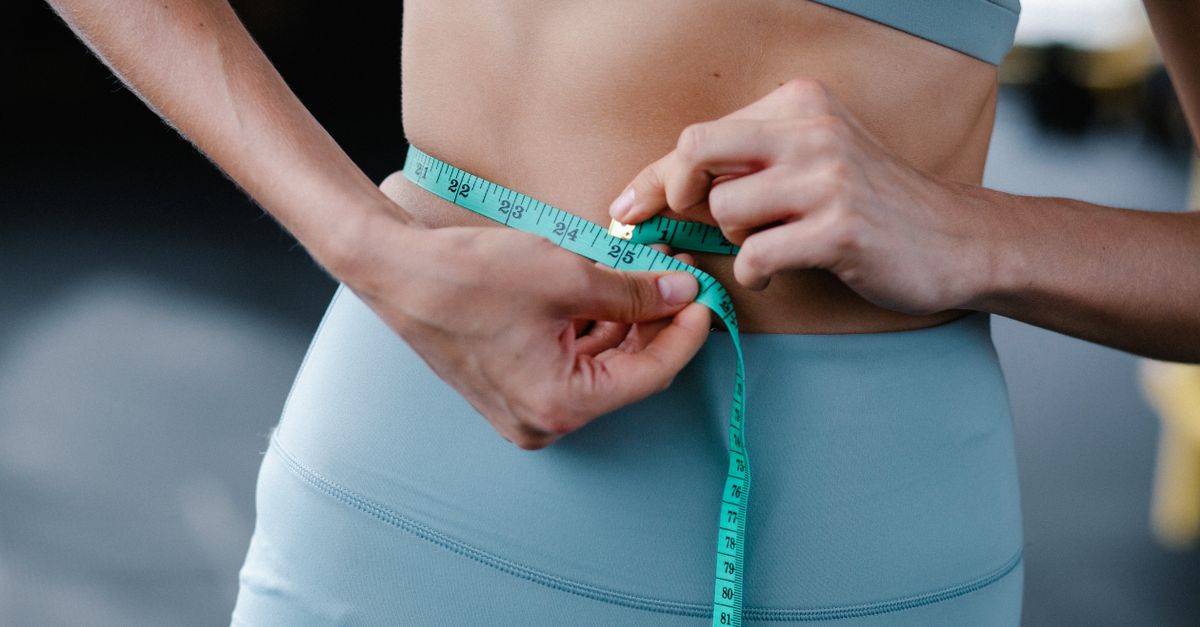
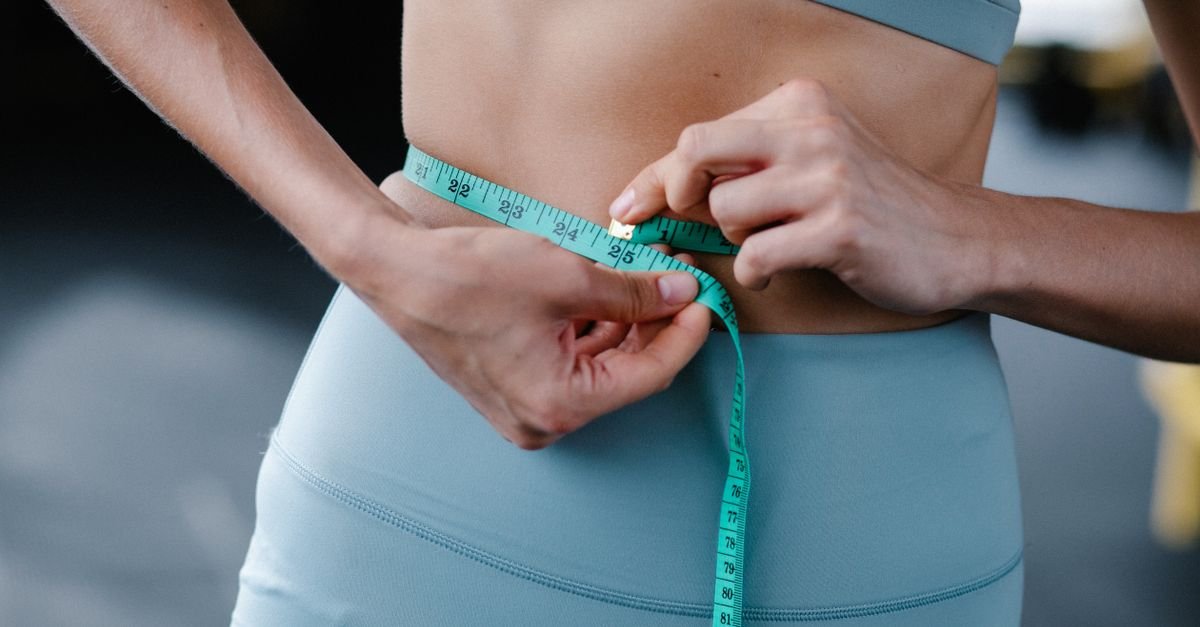
You can also use a tape measure. It’s cheap, simple, and more reliable than you might think. Measure your waist, hips, chest, arms, and thighs every few weeks. Keep the tape snug but not tight. Write the numbers down. Over time, you’ll see inches shift even when pounds don’t.
Track Strength Gains Like a Pro
Strength training is a goldmine for non-scale progress. When you get stronger, you build muscle, improve bone density, boost metabolism, and change your body composition. The scale might not budge, but your body is transforming.
Use a Training Log
A training log is your fitness diary. It doesn’t have to be fancy. A notebook, a spreadsheet, or a simple app all work. The key is consistency. Write down your exercises, sets, reps, and weights. Then, when you look back a month later, you’ll see patterns you would have missed.
You might notice that your squat went from 95 pounds to 135 pounds. Or that you can now do three sets of ten reps instead of two sets of eight. Those are real wins. They prove your muscles, nervous system, and confidence are growing.
What to Record in Your Log
Keep it simple but detailed enough to be useful. Here’s what I recommend:
- Exercise name: Squat, bench press, deadlift, row, etc.
- Weight used: The number on the plates or machine.
- Sets and reps: How many rounds and how many repetitions.
- Rest time: Optional, but helpful if you’re tracking density.
- How it felt: A quick note like “easy,” “hard,” or “form broke down.”
You don’t need to write a novel. A few words per exercise are enough. The goal is to spot trends, not create busywork.
How to Spot Strength Trends
Look for progress in three areas: load, volume, and quality. Load means you’re lifting heavier. Volume means you’re doing more total work (more sets, reps, or exercises). Quality means your form is cleaner, your range of motion is better, or the movement feels smoother.
If your load stays the same but your form improves, that’s still progress. If your volume increases but the weight stays the same, that’s progress too. Don’t get stuck thinking that adding plates is the only way to win.
Measure Endurance and Stamina
Cardio progress is easy to track without a scale. You can measure how long you can sustain an activity, how far you can go, or how quickly you recover. These metrics reflect heart health, lung capacity, and muscular endurance.
Time, Distance, and Pace
If you run, cycle, swim, or row, keep track of your time and distance. Maybe you used to run a mile in 12 minutes; now you do it in 10. Maybe you used to bike five miles; now you can do eight. Maybe your pace per mile dropped by 30 seconds. These are concrete improvements.
You can also use interval workouts. Count how many rounds you complete in 20 minutes. If you finish more rounds this week than last week, your endurance is improving. It’s that simple.
Recovery and Heart Rate
Your heart rate tells a story. A lower resting heart rate often means better cardiovascular fitness. A faster recovery after intense exercise is another positive sign. If your heart rate used to stay elevated for 10 minutes after a run and now it drops within five, your body is adapting.
You can track this with a fitness watch, a chest strap, or even manually by checking your pulse. It’s not about perfection. It’s about noticing trends over time.
Take Progress Photos the Right Way
Progress photos can be incredibly motivating — or incredibly frustrating, depending on how you take them. The secret is consistency. If you take a photo in dim lighting one day and bright sunlight the next, you’re comparing apples to oranges.
Lighting, Angles, and Consistency
Here’s how to make your photos useful:
- Same lighting: Use a room with consistent light, ideally natural light from the same direction.
- Same distance: Stand in the same spot and have the camera at the same height.
- Same angles: Front, side, and back are standard.
- Same clothing: Wear fitted clothes or workout gear that shows your shape.
- Same time of day: Morning before eating is usually best.
Take photos every two to four weeks. Don’t obsess over daily changes. When you look back after three months, you’ll often see differences you missed in the mirror.
Use Clothing as a Reality Check
Your wardrobe is a free progress tracker. Pick one or two pieces of clothing that fit snugly but not uncomfortably. Try them on every few weeks. Maybe a shirt fits looser around the waist. Maybe a pair of shorts feels better around the thighs. Maybe a jacket buttons without pulling.
Clothing doesn’t lie about inches the way the scale lies about pounds. It reflects how your body is changing shape. Just remember that different brands fit differently, so stick with the same garments for fair comparisons.
Monitor Energy, Sleep, and Mood
Fitness isn’t just about muscles and miles. It’s about how you feel when you wake up, how you handle stress, and how much energy you have throughout the day. These are powerful progress markers that the scale completely ignores.
Keep a Simple Habit Journal
At the end of each day, rate your energy, sleep quality, and mood on a scale of 1 to 5. It takes ten seconds. Over a month, you might notice that your energy is consistently higher, your sleep is deeper, or your mood is more stable. That’s progress.
You can also note things like water intake, step count, or how many servings of vegetables you ate. The goal isn’t to be perfect. It’s to see how your habits connect to how you feel.
Track Mobility and Movement Quality
Can you touch your toes? Can you squat below parallel without your heels lifting? Can you reach overhead without arching your back? Mobility is a huge part of fitness, and it’s very trackable.
Pick a few movements that matter to you. Maybe it’s a deep squat, a shoulder press, or a hip hinge. Film yourself or check in with a mirror. Over time, you’ll see your range of motion improve. That means your joints are healthier, your muscles are more flexible, and your risk of injury is lower.
You can also track how you feel during everyday activities. Does climbing stairs feel easier? Does getting off the floor feel smoother? Does your back hurt less after sitting? Those are wins.
Use Non-Scale Measurements
Non-scale measurements give you numbers to track without the emotional baggage of weight. They’re objective, repeatable, and surprisingly motivating. Just don’t let them become another obsession.
Waist, Hips, Chest, Arms, Thighs
Use a flexible tape measure. Measure your waist at the narrowest point, your hips at the widest point, and your chest at the fullest point. For arms, measure the largest part of your bicep. For thighs, measure the largest part of your upper leg.
Write the numbers down every two to four weeks. You might see your waist shrink while your arms grow. That’s a sign you’re losing fat and gaining muscle. The scale might not reflect that, but the tape measure does.
Body Fat Estimates Without Obsession
You can estimate body fat using a smart scale, calipers, or a body fat calculator. But here’s the catch: these methods have error margins. Don’t treat them as gospel. Use them as one piece of the puzzle.
If your body fat estimate drops slightly over a few months, that’s a good sign. If it stays the same but your waist shrinks and your strength increases, you’re still winning. Remember, the goal is health and performance, not a perfect number.
Build a Weekly Progress Dashboard
A dashboard is a simple way to see your progress at a glance. You don’t need fancy software. A notebook page or a spreadsheet works fine. The idea is to track a few key metrics consistently and review them weekly.
Pick 3-5 Metrics
Don’t track everything. That’s a recipe for burnout. Choose three to five metrics that matter most to you. For example:
- Goblet squat weight for 10 reps
- Push-ups in one set
- Waist measurement
- Energy level average for the week
- Number of workouts completed
These metrics cover strength, body composition, and lifestyle. Together, they tell a richer story than weight alone.
Example Dashboard Layout
Here’s a simple layout you can copy:
- Week 1: Squat 95 lbs x 10, Push-ups 8, Waist 34 inches, Energy 3/5, Workouts 3
- Week 2: Squat 100 lbs x 10, Push-ups 9, Waist 33.5 inches, Energy 3.5/5, Workouts 4
- Week 3: Squat 105 lbs x 8, Push-ups 10, Waist 33.5 inches, Energy 4/5, Workouts 4
- Week 4: Squat 105 lbs x 10, Push-ups 12, Waist 33 inches, Energy 4/5, Workouts 5
See how the story unfolds? Strength is up, waist is down, energy is up, and consistency is improving. That’s real progress, and the scale isn’t even in the picture.
Avoid Common Tracking Mistakes
Tracking progress without a scale is powerful, but it’s not foolproof. A few common mistakes can sabotage your motivation. Let’s avoid them.
Over-Measuring
Checking your measurements every day is a bad idea. Your body changes slowly. Daily fluctuations in water, bloating, and muscle pump can mess with your head. Measure every two to four weeks, and keep the conditions as consistent as possible.
The same goes for progress photos. Taking them daily can make you feel like nothing is changing. Give your body time to adapt. Trust the process.
Comparing Yourself to Others
Someone else’s progress is not your benchmark. Their genetics, training history, schedule, and goals are different. Comparing your chapter one to someone else’s chapter twenty is a fast track to discouragement.
Compare yourself to your past self. That’s the only fair comparison. Are you stronger than you were last month? Are you more consistent? Are you feeling better? That’s what matters.
Make Progress Tracking Sustainable
The best tracking system is the one you’ll actually stick with. If it feels like a second job, you’ll quit. So keep it simple. Pick a few metrics, track them consistently, and review them regularly.
Celebrate non-scale victories. Maybe you did your first pull-up. Maybe you walked a mile without stopping. Maybe you slept through the night for a week straight. These are meaningful wins. Write them down. Share them with a friend. Let them fuel your motivation.
Remember, fitness is a long game. The scale is just one tiny piece of the puzzle. When you track exercise progress without a scale, you open your eyes to a fuller, more rewarding picture of health.
Conclusion
Tracking exercise progress without a scale isn’t about ignoring your weight forever. It’s about putting that number in its place — as one data point among many. Your strength, endurance, measurements, photos, energy, sleep, mood, and mobility all tell a richer story. When you focus on those, you build a healthier relationship with your body and your fitness journey. So step off the scale, pick a few non-scale metrics, and start celebrating the progress you can actually feel.
FAQs
How often should I track my fitness progress without a scale?
For most people, checking in every two to four weeks works well. Strength and endurance can be tracked every workout, but measurements, photos, and body composition estimates need more time to show meaningful changes. Weekly reviews of your dashboard are a good middle ground.
What if my strength goes up but my clothes feel tighter?
That can happen when you’re building muscle under a layer of fat. It’s not a bad thing. Muscle is denser than fat, so you might feel firmer or slightly bulkier in some areas while your waist shrinks later. Focus on performance, measurements, and how you feel. If clothes feel tighter everywhere and you’re uncomfortable, adjust your nutrition or training goals.
Can I track progress if I only do cardio?
Absolutely. Track your time, distance, pace, heart rate recovery, and how many intervals you can complete. You can also use perceived exertion — how hard does a workout feel on a scale of 1 to 10? If the same workout feels easier over time, you’re making progress.
How do I stay motivated when progress feels slow?
Zoom out. Look at your dashboard from three months ago. Compare your strength, energy, and measurements. Progress is often invisible day to day. Also, celebrate small wins. A single extra push-up or a slightly faster mile is worth noticing. Motivation follows action, so keep showing up.
Do I need fancy apps or equipment to track progress?
Not at all. A notebook, a tape measure, and your phone camera are enough. Apps can be helpful for logging workouts, but they’re not required. The best system is the one you’ll use consistently. Keep it simple, and let the results speak for themselves.