Table of Contents
- Playful Exercise Ideas for the Whole Family: Turn Fitness Into a Game
- Why Playful Exercise Beats Another Boring Workout
- How to Set Up a Family Exercise Routine That Actually Sticks
- Indoor Playful Exercise Ideas for Rainy Days
- Outdoor Playful Exercise Ideas for Sunshine and Fresh Air
- Cooperative Games That Get Everyone Moving
- Seasonal and Holiday-Themed Exercise Ideas
- Calming Movement Ideas for Restless Evenings
- How to Adapt Playful Exercise for Different Ages
- Safety Tips Without Squashing the Fun
- Creating a Family Fitness Challenge Board
- Low-Equipment Playful Exercise Ideas
- Playful Exercise Ideas for Small Spaces
- How to Keep Motivation High Month After Month
- Conclusion: Your Family’s Best Workout Is the One You’ll Actually Do
- FAQs About Playful Exercise Ideas for the Whole Family
Playful Exercise Ideas for the Whole Family: Turn Fitness Into a Game
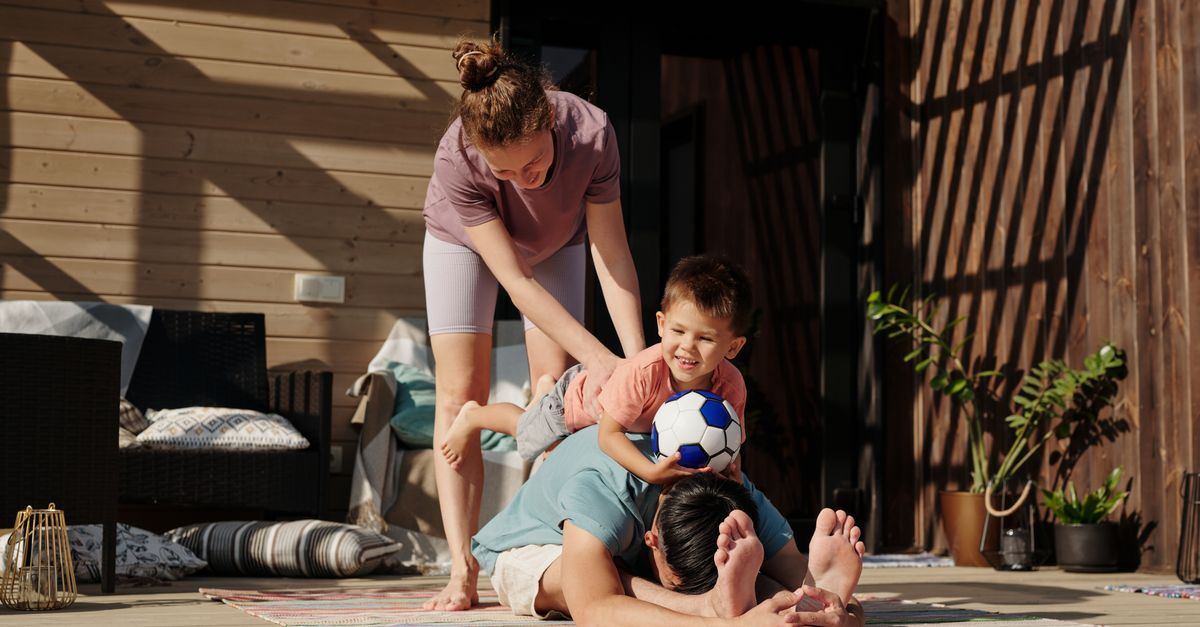
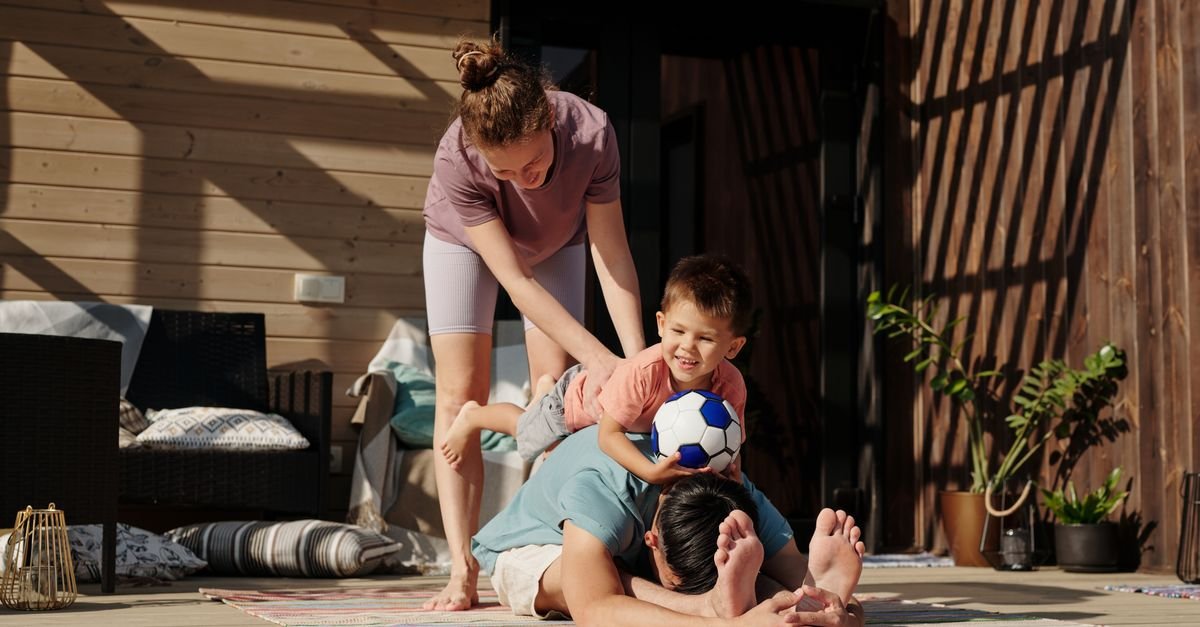
Let’s be honest: telling your family to “go exercise” usually lands about as well as announcing a surprise pop quiz. But tell them you’re going to build a living room obstacle course, blast silly music, and race like crabs across the floor? Suddenly, everyone’s interested. That’s the magic of playful exercise ideas for the whole family. You’re not forcing fitness. You’re hiding it inside laughter, teamwork, and a little friendly chaos.
The best family workouts don’t feel like workouts at all. They feel like recess. They give kids a chance to burn off energy, give adults a reason to move without another boring gym session, and give everyone a shared memory that doesn’t involve screens. Whether you have toddlers, teens, or grandparents joining in, the goal is simple: move, laugh, and come back for more.
Why Playful Exercise Beats Another Boring Workout
Traditional exercise often comes with pressure. You need the right clothes, the right form, the right amount of time. Playful exercise tosses most of that out the window. You just need a bit of space, a little imagination, and maybe a balloon that refuses to cooperate. That lower barrier makes a huge difference for families who are tired, busy, or easily bored.
When movement feels like a game, people participate longer without noticing. Kids sprint, squat, jump, and crawl because they’re trying to win or laugh, not because someone told them to do ten reps. Adults get the same benefit. Your heart rate rises, your muscles wake up, and your mood lifts, all while you’re giggling at Uncle Mike trying to balance a beanbag on his head.
It Builds Stronger Bonds, Not Just Stronger Muscles
Family life can become a series of parallel schedules. You drive here, they scroll there, and somehow everyone is in the same house but not really together. Playful exercise creates a bridge. You’re on the same team. You’re solving the same silly problem. You’re cheering for the same ridiculous victory.
Those shared moments matter. They build trust, improve communication, and remind everyone that home can be a fun place. Plus, when you’re out of breath and laughing, it’s hard to hold onto a bad mood. Movement becomes a reset button for the whole family.
Kids Learn Healthy Habits Through Play
Children don’t learn lifelong health habits from lectures. They learn from what feels normal and enjoyable. If exercise is always framed as punishment or a chore, they’ll avoid it. If it’s wrapped in games, challenges, and family time, they’ll seek it out.
Playful exercise also teaches skills that go beyond fitness: taking turns, handling losing, encouraging others, and trying again. It’s a two-for-one deal. You’re strengthening bodies while quietly building character.
How to Set Up a Family Exercise Routine That Actually Sticks
You don’t need a perfect schedule or a home gym. You need a rhythm that fits real life. The trick is to start small, keep it flexible, and make it feel like a treat instead of a task. Think of it like brushing teeth: short, regular, and no big drama.
Pick a Time That Works for Everyone
Morning people and night owls rarely agree, but you can find a window. Maybe it’s ten minutes before dinner. Maybe it’s Saturday morning before screens turn on. Maybe it’s a quick after-school energy burn. The best time is the one you can protect consistently.
Put it on the fridge. Call it “Family Fun Movement” instead of “workout.” Names matter. A game night sounds inviting. A fitness obligation sounds like homework.
Keep Sessions Short and Silly
Long workouts are not the goal. Ten to twenty minutes is plenty, especially for younger kids. Short sessions keep attention high and excuses low. You can always add more if everyone is still having fun.
Silly is your secret weapon. Make animal noises. Use funny team names. Award points for dramatic falls. The more ridiculous it feels, the less resistance you’ll face.
Let Kids Lead Sometimes
Kids love ownership. Let them choose the game, pick the music, or design the obstacle course. When they’re in charge, they’re invested. You might end up doing a “dinosaur stomp relay” through the hallway, and that’s fine. That’s the point.
Indoor Playful Exercise Ideas for Rainy Days
Rain, heat, snow, or a random Tuesday can keep you inside. That doesn’t mean the energy disappears. It just needs a safe place to land. Clear the breakables, push back the coffee table, and turn your living room into a mini gymnasium.
Living Room Obstacle Course
Use pillows, cushions, laundry baskets, and painter’s tape. Create stations: crawl under the chair, hop over the pillow, balance on the tape line, spin three times, and finish with a silly dance. Time each person or run it as a relay.
For older kids, add challenges like carrying a ball on a spoon or walking backward. For younger kids, simplify and celebrate every attempt. The course can change every round, which keeps it fresh.
Balloon Volleyball
Blow up a balloon and tie a string across the room as a net. The rules are simple: don’t let the balloon touch the floor. You can play one-on-one, teams, or everyone against the balloon. It’s surprisingly hard and hilarious.
This game works on coordination, reaction time, and arm strength. It’s also gentle enough for mixed ages. Just watch out for ceiling fans and overly competitive grandparents.
Animal Movement Dice
This one is a favorite because it’s easy to set up and endlessly repeatable. You need one die and a list of animal movements. Roll, move, laugh, repeat. It’s like a fitness fortune teller.
How to Play Animal Movement Dice
- Write six animals on a piece of paper: frog, bear, crab, kangaroo, snake, flamingo.
- Assign each animal a movement: frog jumps, bear crawls, crab walks, kangaroo hops, snake slithers, flamingo balances on one leg.
- Roll the die. Everyone does the matching movement across the room and back.
- Roll a six? Everyone chooses their favorite animal and does a victory dance.
Freeze Dance Fitness
Play music and dance like nobody’s watching. When the music stops, everyone freezes. The last person to freeze becomes the next DJ, or you can add a twist: when the music stops, everyone does ten jumping jacks, five squats, or a plank hold.
Freeze dance is a sneaky cardio workout. It also helps kids practice impulse control, which is a fancy way of saying “stopping when they’re supposed to.”
Outdoor Playful Exercise Ideas for Sunshine and Fresh Air
Outside is the ultimate playground. Fresh air boosts mood, space allows bigger movements, and the change of scenery makes everything feel like an adventure. You don’t need a park. A driveway, backyard, or sidewalk will do.
Backyard Boot Camp
Set up a circuit with simple stations. Station one: ten jumping jacks. Station two: five push-ups against a tree. Station three: run to the fence and back. Station four: ten squats. Station five: bear crawl to the patio. Rotate through as a family.
Make it playful by giving each station a superhero name. The “Hulk Smash Squats” are much more appealing than regular squats. Cheer loudly. Celebrate finishing, not just winning.
Nature Scavenger Hunt Relay
Make a list of natural items: a smooth stone, a yellow leaf, a pinecone, a stick shaped like a letter, a feather. Split into teams. One person runs to find an item and brings it back, then the next person goes. The first team to find everything wins.
This mixes sprinting, bending, searching, and teamwork. It also turns a simple walk into a full-body mission. Bonus: you end up with a collection of nature treasures and tired kids.
Sidewalk Chalk Fitness Trail
Draw a trail on the sidewalk or driveway with chalk. Add arrows, circles, and instructions. Kids follow the trail and do whatever the chalk says. It’s part obstacle course, part treasure map, part art project.
Sample Chalk Trail Stations
- Spin in a circle three times.
- Hop like a frog to the next square.
- Do five star jumps.
- Walk heel-to-toe along a straight line.
- Touch the ground and reach for the sky five times.
- Run to the big X and back.
Water Balloon Dodge and Dash
On a hot day, fill water balloons and play a gentle dodge game. No one gets out. Instead, if you get hit, you do five jumping jacks and jump back in. Or make it a relay where you carry a water balloon on a spoon without dropping it.
This is cooling, exciting, and naturally active. It also teaches sportsmanship because everyone gets soaked no matter what. Bring towels. You’ll need them.
Cooperative Games That Get Everyone Moving
Competition can be fun, but cooperation is where the magic really happens. When the family works together toward a shared goal, everyone feels like a winner. These games are perfect for mixed ages and skill levels.
Human Knot Shuffle
Stand in a circle. Everyone reaches into the middle and grabs two different hands. Now untangle yourselves without letting go. You’ll crouch, step over, twist, and laugh. It’s a puzzle and a workout at the same time.
For younger kids, make it simpler by holding a long scarf or rope instead of hands. The goal is to work together, not to be perfect.
Tug-of-War With a Twist
Traditional tug-of-war is great, but you can add silly rules. Pull while hopping on one foot. Pull while singing a song. Pull with your eyes closed. Or make it a three-way tug with three teams and a soft rope.
This builds grip strength, leg drive, and teamwork. It also creates dramatic slow-motion falls that kids will reenact for weeks.
Family Relay Race Medley
Create a relay with different movement styles for each leg. One person crab walks, the next bear crawls, the next hops, the next runs backward, and the last person skips. The baton can be a sock, a spoon, or a stuffed animal.
Relay races teach patience and encourage loud cheering. You can run them in teams or as one big family group trying to beat a timer.
Seasonal and Holiday-Themed Exercise Ideas
Seasons give you built-in themes. A theme makes exercise feel like an event instead of a routine. Rotate your games throughout the year and you’ll always have something new to look forward to.
Spring: Garden Olympics
Turn yard work into a game. Race to fill buckets with weeds. See who can carry the most leaves to the compost. Do a wheelbarrow race with a watering can. The garden gets attention, and everyone gets a workout.
Add medals made from ribbon and cardboard. Celebrate the silliest categories, like “Best Dirt Dance” or “Most Dramatic Weed Pull.”
Summer: Pool Noodle Games
Pool noodles are cheap and versatile. Use them for limbo, hurdles, tag, and balance beams. Cut them in half for relay batons. Hold them between knees and waddle across the yard. The possibilities are ridiculous and wonderful.
Fall: Leaf Pile Races
Rake leaves into piles and race to jump into them. Then race to bag them up. Do a leaf toss and catch challenge. See who can balance a leaf on their head the longest while walking.
This is childhood nostalgia with a side of cardio. The cleanup is part of the game, which is a parenting win.
Winter: Snowman Relay
If you have snow, build a snowman as a relay. One person rolls the base, another adds the middle, another adds the head, and the last person decorates. If you don’t have snow, use white pillows and socks indoors.
Snow shoveling can also become a family challenge. Set a timer, divide the driveway into zones, and work together. Then reward yourselves with hot cocoa and a victory dance.
Calming Movement Ideas for Restless Evenings
Not every family exercise session needs to be high-energy. Sometimes kids are wired, adults are stressed, and everyone needs to downshift. Calming movement helps release tension without ramping up the chaos.
Family Yoga Storytime
Tell a story and add yoga poses. “The brave explorer stretched tall like a tree. Then she became a cobra to look over the grass. Then she was a butterfly fluttering home.” Everyone copies the poses as the story unfolds.
You can use a book or make up your own adventure. This builds flexibility, balance, and imagination. It also gives everyone a gentle way to reconnect before bed.
Slow-Motion Animal Parade
Move like a snail, a sloth, a sleepy bear, or a turtle. The goal is to move as slowly as possible while still moving. This sounds easy until you try it. It requires control, focus, and a lot of giggles.
Stretching Story Circle
Sit in a circle and take turns leading a stretch. Each person says what the stretch represents: “This is the tall mountain,” “This is the winding river,” “This is the sleepy cat.” Hold each stretch for a few breaths.
This is a wonderful bedtime ritual. It calms the nervous system and helps everyone transition from busy mode to rest mode.
How to Adapt Playful Exercise for Different Ages
A family includes different bodies, abilities, and attention spans. The key is to modify, not exclude. Everyone can play if you adjust the rules. Think of it like a recipe: same dish, different spice levels.
Toddlers and Preschoolers
Keep it simple, slow, and sensory. Use big movements, plenty of repetition, and no strict rules. Toddlers love copying animals, chasing bubbles, and dancing with scarves. Avoid competition and focus on exploration.
Short is better. Five minutes of active play is a win. Follow their lead and stop before they melt down.
School-Age Kids
This age loves challenges, timers, and teams. They can handle relay races, obstacle courses, and scorekeeping. Give them jobs like timekeeper or referee. They’ll feel important and stay engaged.
Offer choices. “Do you want to be the team captain or the course designer?” Choice reduces resistance and boosts buy-in.
Teens
Teens may resist anything that feels childish, so frame it differently. Call it a family challenge, a fitness game, or a friendly competition. Let them choose the music and pick the exercises. They might roll their eyes, but they’ll often join in once they see everyone else having fun.
Keep it optional but inviting. Forced fun is no fun. A casual “We’re doing a quick challenge in ten minutes, join if you want” works better than a demand.
Adults and Seniors
Adults and seniors need modifications too. Offer seated versions, slower tempos, and lighter weights. A chair can be a great tool for balance and support. Focus on what feels good, not on keeping up with the kids.
Everyone benefits from movement. The goal is participation, not perfection. Celebrate effort at every age.
Safety Tips Without Squashing the Fun
Playful exercise should be safe, but safety doesn’t have to be boring. Do a quick scan of the room or yard before you start. Move sharp objects, clear tripping hazards, and check that the floor isn’t slippery. Set boundaries so kids know where they can run and where they need to slow down.
Warm up with a silly dance or a few stretches. Stay hydrated. Watch for signs of overheating or exhaustion. If someone gets hurt, stop and take care of it. No game is worth an injury.
Finally, match the intensity to the age and ability of each person. A toddler’s “run” is different from a teenager’s sprint. That’s okay. The family that moves together stays together, especially when everyone feels safe and supported.
Creating a Family Fitness Challenge Board
A challenge board turns movement into a month-long adventure. Hang a poster or whiteboard in a common area. Write down daily or weekly challenges. Everyone checks off completed challenges or adds stickers.
Ideas include: 100 jumping jacks as a family, a 15-minute dance party, a backyard obstacle course, a family walk, or a plank challenge. Add prizes for completion, like choosing the movie, picking dinner, or earning a silly trophy.
The board makes progress visible. It also creates accountability without nagging. When everyone can see the streak, they’re more likely to keep it going.
Low-Equipment Playful Exercise Ideas
You don’t need fancy gear. Your body is the gym. Try these zero-equipment games:
- Shadow Tag: Try to step on someone’s shadow. The sun is your referee.
- Mirror Mirror: One person leads movements, everyone else copies. Switch leaders often.
- Floor Is Lava: Move around the room without touching the floor. Use pillows as safe spots.
- Invisible Jump Rope: Pretend to jump rope. Add tricks and double-unders.
- Wall Sit Challenge: See who can hold a wall sit the longest while telling a joke.
These games are perfect for small budgets and spontaneous energy bursts. They also prove that fitness doesn’t require a membership card.
Playful Exercise Ideas for Small Spaces
Apartment living? No problem. Focus on vertical movement, isometric holds, and low-impact games. Try seated volleyball with a balloon, plank competitions, wall push-ups, and yoga poses. Use a hallway for a tape line balance challenge.
Keep movements controlled and quiet if you have neighbors below. Animal walks can be done in slow motion. Dancing can be done with just arms and upper body. Small spaces simply require a little creativity and respect for the ceiling fan.
How to Keep Motivation High Month After Month
Novelty is your best friend. Rotate games, change locations, and invite friends. Create a family playlist with everyone’s favorite songs. Let each person pick the game of the week. Track progress with photos or a journal.
Also, don’t rely on motivation alone. Build a habit. Same time, same place, same silly spirit. Some days will be amazing. Some days will be short and grumpy. That’s normal. The goal is to keep showing up, not to be perfect.
Celebrate small wins. A ten-minute dance party after a long day is a victory. A walk around the block is a victory. A family that laughs together while moving is winning at something much bigger than fitness.
Conclusion: Your Family’s Best Workout Is the One You’ll Actually Do
Playful exercise ideas for the whole family don’t need to be complicated. They need to be doable, fun, and a little ridiculous. A balloon, a die, a chalk line, or a favorite song can turn an ordinary evening into a memory. You’re not training for the Olympics. You’re building a culture of movement, laughter, and connection.
Start small. Pick one game from this list. Try it tonight. If it flops, laugh and try another. If it works, repeat it until it becomes a tradition. Your family doesn’t need a perfect fitness plan. It needs you to press play on a silly game and join in. That’s where the real magic happens.
FAQs About Playful Exercise Ideas for the Whole Family
What if my family hates exercising?
Don’t call it exercise. Call it a game, a challenge, or a dance party. Start with something extremely short and low-pressure, like a three-minute freeze dance. Once they associate movement with fun, you can gradually add more. Resistance often comes from the label, not the activity.
How long should a family workout last?
For younger kids, ten to fifteen minutes is plenty. For older kids and teens, twenty to thirty minutes can work. The best length is whatever keeps everyone engaged without meltdowns. Short and consistent beats long and miserable every time.
Can playful exercise really count as a workout?
Absolutely. Jumping, squatting, crawling, dancing, and running all raise your heart rate and work your muscles. You don’t need a gym to get fit. Playful movement is real movement. If you’re breathing harder and having fun, it counts.
What ages can join family exercise games?
Almost any age can join with modifications. Toddlers can copy animal walks. Teens can lead challenges. Seniors can do seated versions. The key is to adapt the rules so everyone feels included and capable. Family fitness is about participation, not performance.
How do I keep kids from getting bored?
Change the game before they lose interest. Rotate activities, add silly rules, and let kids choose the music or design the course. Surprise challenges, like “everyone hop on one foot for thirty seconds,” keep energy high. Boredom is just a signal to switch things up.