Table of Contents
- Massage Guns After Exercise: What Can They Do?
- What Exactly Is a Massage Gun?
- How Percussive Therapy Works
- The Post-Workout Window: Why Recovery Matters
- What Happens to Muscles After Exercise?
- Microtears and Inflammation
- Nervous System Fatigue
- What Massage Guns Can Do After Exercise
- Reduce Soreness and DOMS
- Boost Blood Flow and Warmth
- Loosen Fascia and Trigger Points
- Improve Range of Motion
- Calm the Nervous System
- What Massage Guns Cannot Do
- They Do Not Build Muscle
- They Do Not Replace Sleep and Nutrition
- They Do Not Heal Serious Injuries
- How to Use a Massage Gun After a Workout
- Timing: Right After or Hours Later?
- Speed, Pressure, and Duration
- Speed Settings
- Pressure Tips
- Best Areas to Target
- Large Muscles
- Sensitive Areas
- Massage Guns vs. Foam Rollers, Stretching, and Massage
- Foam Rollers
- Static Stretching
- Professional Massage
- Who Should Be Careful With Massage Guns?
- Injuries and Medical Conditions
- Pregnancy and Varicose Veins
- Do Massage Guns Actually Speed Recovery?
- What Research Says
- The Placebo Effect and Feeling Better
- Building a Smart Post-Exercise Recovery Routine
- Sample 10-Minute Recovery Flow
- When to Skip the Massage Gun
- Conclusion
- FAQs
- 1. How soon after a workout should I use a massage gun?
- 2. Can a massage gun replace stretching?
- 3. Is it okay to use a massage gun every day?
- 4. Can a massage gun help with delayed onset muscle soreness?
- 5. Are expensive massage guns better than budget ones?
Massage Guns After Exercise: What Can They Do?
Your legs feel like they are filled with wet sand. Your shoulders are tight, your lower back is cranky, and even lifting a water bottle feels like a chore. You just finished a tough workout, and now you are staring at that sleek, handheld device sitting on your shelf. Should you use it? Will it help? Or is it just a fancy vibration toy with a serious marketing budget?
Massage guns have exploded in popularity among gym-goers, runners, cyclists, and weekend warriors. They promise faster recovery, less soreness, and looser muscles. But what can they really do after exercise? Let’s cut through the hype and look at the practical, science-backed, and real-world benefits of using a massage gun post-workout.
What Exactly Is a Massage Gun?
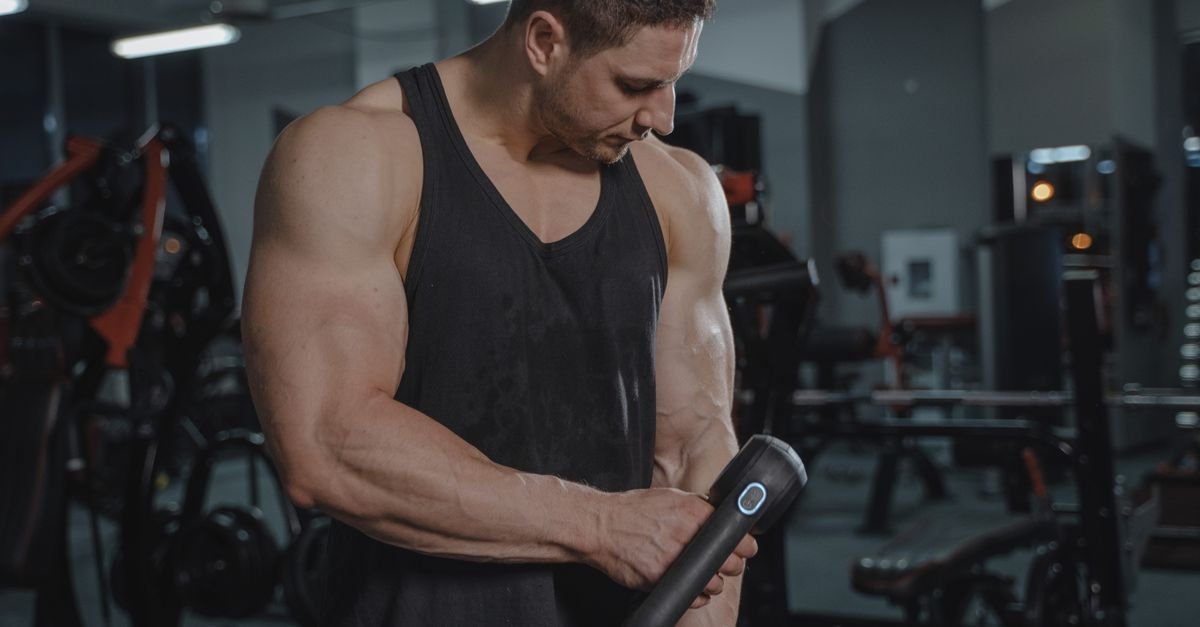
A massage gun is a handheld percussive therapy device. It has a motor that drives a head back and forth rapidly, delivering quick pulses into your muscles. Think of it as a tiny, powerful jackhammer for soft tissue. Most models come with adjustable speed settings and interchangeable heads for different body parts.
Unlike a traditional massage, which uses long strokes and kneading, a massage gun works with rapid, targeted pressure. You can point it at a specific knot, trigger point, or tight area. That precision is why so many athletes love it. It is portable, easy to use, and does not require a therapist or a scheduled appointment.
How Percussive Therapy Works
Percussive therapy sends mechanical pulses into muscle tissue. These pulses create a rapid compression and release effect. The goal is to increase blood flow, reduce muscle tension, and stimulate sensory receptors. Some researchers believe this can help calm the nervous system and reduce the perception of pain.
It is not magic. It is a physical stimulus. When you apply a massage gun, you are essentially telling your nervous system, “Hey, this area needs attention.” The resulting response can feel looser, lighter, and less achy. But the exact mechanisms are still being studied, and results vary from person to person.
The Post-Workout Window: Why Recovery Matters
After a hard workout, your body enters a recovery phase. This is when adaptation happens. Muscles repair, energy stores refill, and the nervous system resets. If you rush recovery, you may feel sluggish, stiff, or more prone to injury. If you support recovery, you can train consistently and perform better over time.
Massage guns are one tool in that recovery toolbox. They are not a replacement for sleep, food, and hydration, but they can help you feel better in the hours after exercise. That feeling matters because it can influence how you move, how you train, and how motivated you are to keep going.
What Happens to Muscles After Exercise?
Exercise creates stress. That stress is good, but it leaves a mark. Your muscle fibers experience tiny damage, your connective tissue gets stretched, and your nervous system stays amped up. The result is a mix of fatigue, tightness, and sometimes soreness.
Microtears and Inflammation
When you lift weights, sprint, or do intense bodyweight work, you create microscopic tears in muscle fibers. This sounds scary, but it is normal. The body responds with inflammation, which helps repair and rebuild tissue. However, too much inflammation can make you feel stiff and sore. Gentle movement and blood flow can help manage that process.
Nervous System Fatigue
Your muscles are not the only thing that gets tired. Your nervous system also fatigues. After a tough session, your brain and nerves may still be firing at a high rate. That can leave you feeling wired but tired. Percussive therapy may help shift your nervous system into a more relaxed state, which supports recovery.
What Massage Guns Can Do After Exercise
Now for the good stuff. What can a massage gun actually do after you train? Here are the most realistic benefits.
Reduce Soreness and DOMS
Delayed onset muscle soreness, or DOMS, is that familiar ache that shows up a day or two after a hard workout. A massage gun can help reduce the intensity of that soreness. It does not erase it completely, but it can make your muscles feel less tender and more functional.
Part of this comes from increased blood flow. Part of it comes from the nervous system. When you apply rapid pulses to a sore area, you stimulate sensory receptors that can override pain signals. It is like scratching an itch near a mosquito bite. The new sensation competes with the old one.
Boost Blood Flow and Warmth
Blood carries oxygen and nutrients to your muscles. It also carries away metabolic waste. After exercise, improving circulation can support the repair process. A massage gun creates a temporary increase in local blood flow. You may notice your skin feels warmer and your muscles feel more alive.
This is not a permanent change. The effect is temporary, like a light jog or a warm shower. But temporary changes add up. If you use a massage gun consistently, you may help your body recover more efficiently over time.
Loosen Fascia and Trigger Points
Fascia is the connective tissue that wraps around your muscles. It can become tight, sticky, or restricted. Trigger points are those tender knots that refer pain to other areas. A massage gun can help break up that tension and restore a smoother glide between tissue layers.
Think of it like untangling a knotted necklace. You do not need to yank it. You just need gentle, persistent pressure in the right spot. The percussive action can help release tight spots and improve how your muscles feel and move.
Improve Range of Motion
Tight muscles limit your range of motion. If your hamstrings feel like guitar strings, you cannot bend forward comfortably. If your calves are locked up, your ankles may not flex properly. A massage gun can help temporarily increase range of motion by reducing tension and improving tissue flexibility.
This is especially useful before or after a workout. You might use it on your hips before squats or on your shoulders before overhead presses. Just remember that the effect is short-lived. Pair it with dynamic warm-ups and strength work for lasting change.
Calm the Nervous System
After a high-intensity workout, your sympathetic nervous system is in overdrive. That is your fight-or-flight mode. Recovery happens when your parasympathetic nervous system takes over. That is your rest-and-digest mode.
Using a massage gun can feel soothing. The rhythmic pulses may help signal safety to your brain. You breathe deeper, your muscles relax, and your heart rate slows. It is not a replacement for meditation or sleep, but it can be a nice transition from workout mode to recovery mode.
What Massage Guns Cannot Do
Before you ditch your foam roller and cancel your massage therapist, let’s be clear about the limits. Massage guns are helpful, but they are not miracle workers.
They Do Not Build Muscle
A massage gun does not create muscle growth. Muscle growth comes from resistance training, adequate protein, calories, and recovery. If you want bigger, stronger muscles, you need to lift, eat, and sleep. A massage gun can support recovery, but it cannot replace the stimulus that builds tissue.
They Do Not Replace Sleep and Nutrition
Sleep is the number one recovery tool. Nutrition is a close second. No amount of percussive therapy can make up for five hours of sleep and a diet full of processed junk. Think of a massage gun as a garnish, not the main course. It adds flavor, but it does not provide the meal.
They Do Not Heal Serious Injuries
If you have a muscle tear, tendon rupture, stress fracture, or nerve injury, a massage gun is not the answer. In fact, using one on an acute injury can make things worse. Always get a proper diagnosis from a medical professional before treating pain with any tool.
How to Use a Massage Gun After a Workout
Using a massage gun is simple, but doing it well takes a little know-how. Here is how to get the most out of your post-exercise session.
Timing: Right After or Hours Later?
You can use a massage gun right after a workout, but you do not have to. Some people prefer to wait a few hours, especially if they are very sore. The best time is whenever you feel tight and want relief. Just avoid using it on fresh, acute injuries or areas that are swollen and hot.
If you are using it to warm up, keep it brief and gentle. If you are using it to recover, you can spend a bit more time. Listen to your body. If it feels good, keep going. If it feels sharp or painful, stop.
Speed, Pressure, and Duration
More is not always better. Many people crank the speed to maximum and press hard. That can cause bruising, irritation, and more soreness. Instead, start on a low setting and use light pressure. You can always increase if needed.
Speed Settings
Low speeds are great for sensitive areas, like the neck or shins. Medium speeds work well for most muscle groups. High speeds are best for large, dense muscles like quads, glutes, and calves. Start low, then adjust.
Pressure Tips
Let the device do the work. You do not need to dig into your tissue. Glide the head slowly over the muscle. Pause on tight spots for a few seconds, then move on. If you feel numbness or tingling, back off.
Best Areas to Target
Massage guns work best on large muscle groups. They are less useful on bony areas or joints. Here are some smart targets.
Large Muscles
Quads, hamstrings, glutes, calves, lats, and pecs are all great candidates. These muscles can handle more pressure and benefit from increased blood flow. Use slow, sweeping strokes along the muscle fibers.
Sensitive Areas
Avoid the spine, neck bones, knees, elbows, and other bony spots. Do not use a massage gun directly on your throat, armpits, groin, or abdomen. These areas have delicate structures, nerves, and blood vessels. If you are unsure, skip it or ask a professional.
Massage Guns vs. Foam Rollers, Stretching, and Massage
How does a massage gun compare to other recovery tools? Each has its place.
Foam Rollers
Foam rollers cover a larger area, but they require you to support your body weight. That can be tough when you are exhausted. Massage guns offer more precision and less effort. However, foam rollers are cheaper and great for broad areas like the back and IT band.
Static Stretching
Stretching improves flexibility and can reduce stiffness. But it does not increase blood flow the same way percussion does. Use both. Stretch after a massage gun session when your muscles are warm and relaxed.
Professional Massage
A professional massage therapist can assess your body, find imbalances, and use techniques you cannot replicate at home. A massage gun is a convenient supplement, not a replacement. If you have chronic pain or a complex issue, see a pro.
Who Should Be Careful With Massage Guns?
Massage guns are generally safe for healthy people. But they are not for everyone.
Injuries and Medical Conditions
If you have a fracture, muscle tear, severe bruising, or a bleeding disorder, avoid massage guns. Also be cautious if you have diabetes, neuropathy, or poor circulation. You may not feel pain properly, which increases the risk of injury.
Pregnancy and Varicose Veins
Pregnant women should avoid using massage guns on the abdomen, lower back, and legs without medical clearance. Varicose veins can be damaged by percussive pressure. When in doubt, ask your doctor.
Do Massage Guns Actually Speed Recovery?
This is the million-dollar question. Do they really help, or do they just feel good?
What Research Says
Research on massage guns is still growing. Some studies show reduced soreness and improved range of motion after percussive therapy. Others show minimal effects on performance or muscle damage markers. The truth is likely somewhere in the middle.
Massage guns may not dramatically speed up tissue repair. But they can reduce perceived soreness and improve how you feel. That can help you move more, train more consistently, and recover better overall.
The Placebo Effect and Feeling Better
Never underestimate the placebo effect. If you believe a massage gun will help, it might. Feeling better is a real outcome. When you feel less sore, you are more likely to sleep well, eat well, and train again. That chain reaction matters.
Building a Smart Post-Exercise Recovery Routine
A massage gun is one piece of the puzzle. Here is how to build a smart routine.
Sample 10-Minute Recovery Flow
- Minutes 1–2: Deep breathing to calm your nervous system.
- Minutes 3–5: Gentle massage gun work on major muscle groups.
- Minutes 6–8: Static stretching for tight areas.
- Minutes 9–10: Hydrate and plan your next meal.
This flow is simple, effective, and easy to repeat. You can adjust the time based on your workout and how you feel.
When to Skip the Massage Gun
Skip the massage gun if you have sharp pain, swelling, bruising, or a suspected injury. Also skip it if you are sick, dizzy, or exhausted. Recovery is not about forcing your body. It is about supporting it.
Conclusion
Massage guns after exercise can do a lot of good things. They can reduce soreness, boost blood flow, loosen tight spots, improve range of motion, and help you relax. They are convenient, portable, and satisfying to use. But they are not magic. They do not build muscle, replace sleep, or heal serious injuries. Use them as one tool in a broader recovery plan. Pair them with good nutrition, hydration, sleep, and smart training. When you do that, a massage gun can become a valuable part of your routine. It will not turn you into a superhero overnight, but it can make the day after leg day a lot more bearable.
FAQs
1. How soon after a workout should I use a massage gun?
You can use it right after your workout or a few hours later. If you are very sore, waiting a bit may feel better. Start gently and avoid using it on acute injuries or swollen areas.
2. Can a massage gun replace stretching?
No. A massage gun can help relax muscles, but stretching improves flexibility and joint range of motion. Use both for the best results. Massage first, then stretch while your muscles are warm.
3. Is it okay to use a massage gun every day?
For most healthy people, yes. But keep sessions short and gentle. If you notice bruising, numbness, or increased soreness, take a break. Your body needs rest, not constant percussion.
4. Can a massage gun help with delayed onset muscle soreness?
It can help reduce the intensity of DOMS. It will not eliminate soreness completely, but it can make your muscles feel less tight and tender. Combine it with light movement, hydration, and sleep.
5. Are expensive massage guns better than budget ones?
Not always. Price often reflects battery life, build quality, and noise level. A budget model with adjustable speeds and a comfortable grip can work well for casual use. If you are a serious athlete, a higher-end model may be worth it.



