Table of Contents
- Is Walking With a Weighted Vest Worth It? A Complete Guide
- What Is a Weighted Vest and Why Are People Walking in Them?
- The Basic Idea Behind Weighted Vest Walking
- Who Is It For? (And Who Should Think Twice?)
- The Real Benefits of Walking With a Weighted Vest
- Stronger Bones and Joints? The Load-Bearing Effect
- More Calories Burned Without Running
- Improved Posture and Core Stability
- Convenience That Beats the Gym
- The Downsides Nobody Talks About
- Joint Stress and Injury Risk
- Compensation Patterns and Sore Spots
- The “More Is Better” Trap
- Does Science Back Weighted Vest Walking?
- What Research Says About Calorie Burn
- Bone Density, Balance, and Functional Fitness
- What About Weight Loss?
- How to Start Walking With a Weighted Vest Safely
- Choose the Right Weight
- Fit Matters More Than You Think
- Start With Short, Easy Walks
- Progress Slowly, Not Ego-Led
- Weighted Vest vs. Other Walking Upgrades
- Weighted Vest vs. Rucking
- Weighted Vest vs. Incline Walking
- Weighted Vest vs. Regular Walking
- Who Should Avoid a Weighted Vest?
- Common Mistakes That Make It Not Worth It
- How to Know If It’s Worth It for You
- Sample Weekly Weighted Vest Walking Plan
- Gear Tips for a Better Experience
- Conclusion: Is Walking With a Weighted Vest Worth It?
- FAQs
- Is walking with a weighted vest as good as running?
- How much weight should a beginner use in a weighted vest?
- Can walking with a weighted vest help me lose belly fat?
- Should I wear a weighted vest every day?
- Does a weighted vest ruin your posture?
Is Walking With a Weighted Vest Worth It? A Complete Guide
You’ve seen the videos. People marching around the neighborhood with a bulky vest, looking like they’re training for a tactical mission. Maybe you’ve wondered if it’s a gimmick, a shortcut, or the missing piece in your fitness routine. Is walking with a weighted vest worth it, or is it just another overhyped trend that ends up collecting dust in the closet?
The short answer is: it depends. For some people, it’s a game-changer. For others, it’s a fast ticket to sore knees and a frustrated back. The real answer sits somewhere between “miracle tool” and “overpriced backpack.” Let’s break it down without the hype, so you can decide if a weighted vest deserves a spot in your daily walk.
What Is a Weighted Vest and Why Are People Walking in Them?
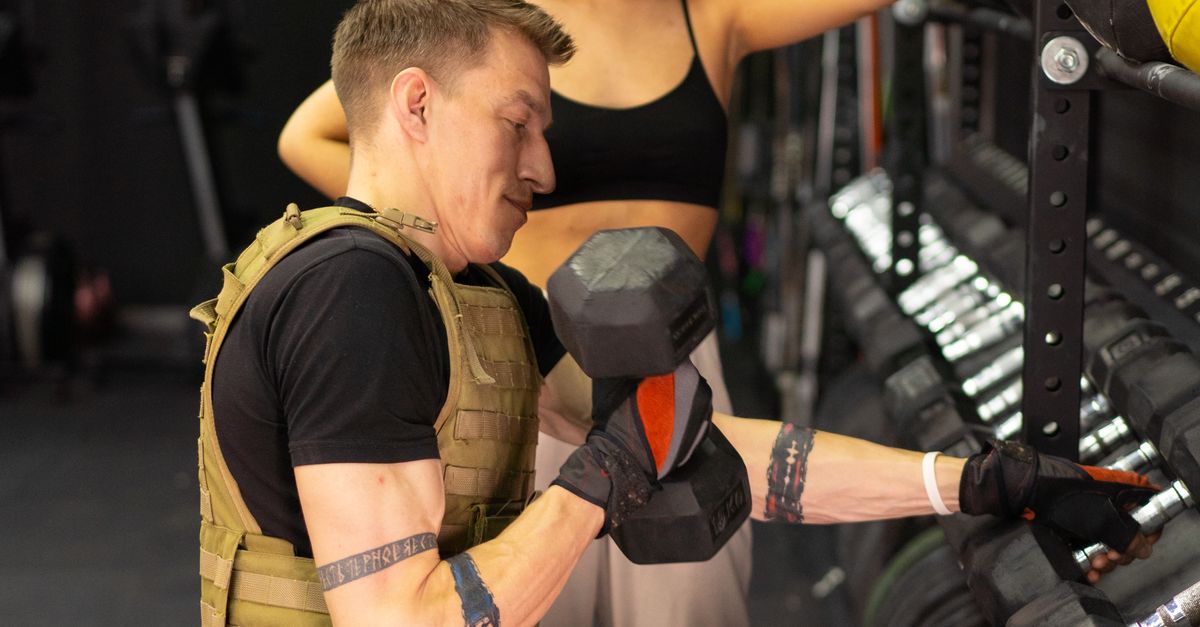
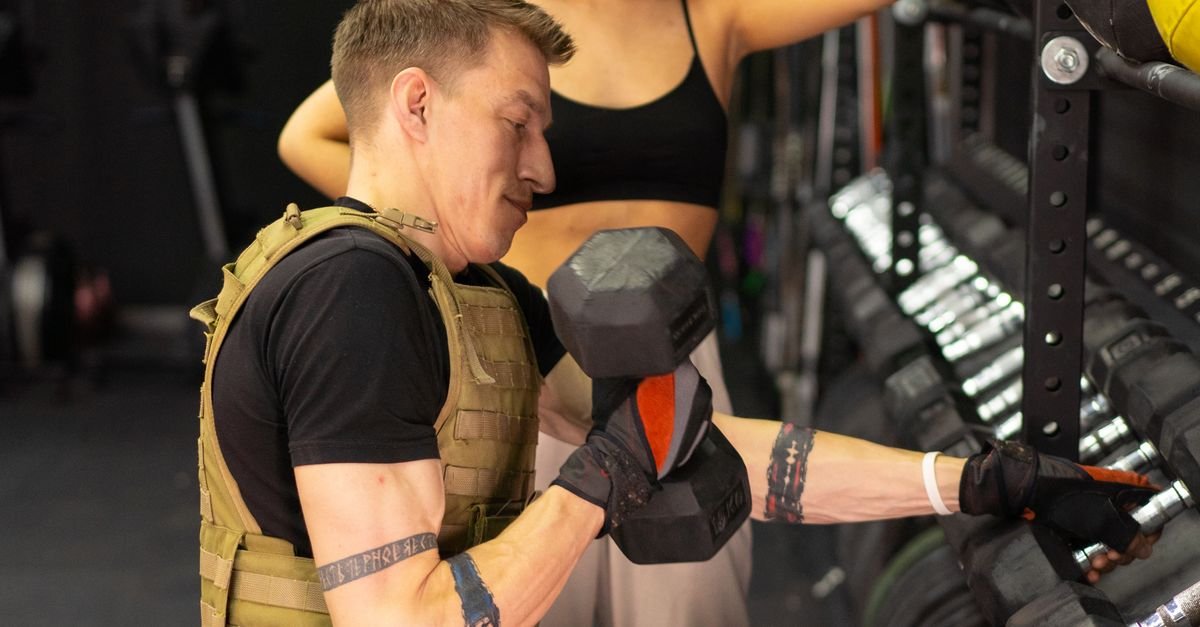
A weighted vest is exactly what it sounds like: a vest you wear that holds small weights, usually ranging from 5 pounds to 30 pounds or more. Some are adjustable, letting you add or remove individual weight packets. Others are fixed-weight vests that look more like a piece of body armor than workout gear.
People walk in them for a simple reason: walking is easy, but it stops challenging your body after a while. Adding weight turns a casual stroll into a loaded carry. Think of it like this: walking is a bicycle ride on flat ground. A weighted vest is like adding a small hill. It’s not extreme, but it changes the effort.
The Basic Idea Behind Weighted Vest Walking
The basic idea is progressive overload. That’s a fancy way of saying you ask your body to do a little more than it’s used to. Your muscles, bones, and heart adapt to the demand you place on them. If you always walk the same route at the same pace, your body gets efficient and stops changing. A weighted vest adds a new stimulus without requiring you to run, jump, or spend hours in a gym.
But here’s the catch: more load is not always better. Your body doesn’t care about your ego. It cares about whether it can handle the stress safely. That’s why a 20-pound vest on day one is a terrible idea. Your joints, tendons, and muscles need time to adjust.
Who Is It For? (And Who Should Think Twice?)
Weighted vest walking tends to work well for people who already walk regularly and want more intensity, hikers training for backpacking trips, older adults who need bone-stimulating exercise, and busy folks who want a quick workout without going to the gym. It’s also popular with military and tactical athletes, though their needs are different from the average person.
Who should think twice? Anyone with joint pain, balance problems, a history of back injury, or heart conditions should talk to a doctor first. Pregnancy is another time to be cautious. And if you’re completely new to exercise, you probably don’t need a weighted vest yet. You need consistency first.
The Real Benefits of Walking With a Weighted Vest
Let’s talk about what a weighted vest can actually do. Not what influencers claim, but what your body might experience when you use it smartly.
Stronger Bones and Joints? The Load-Bearing Effect
Bones are like muscles: they respond to stress. When you walk with extra weight, your bones, especially in your hips and spine, get a signal to stay strong. This is called load-bearing exercise. It’s one reason doctors recommend walking and strength training for bone health.
Does a weighted vest build super bones? Not overnight. But research on older adults suggests that weighted vest training can support bone mineral density when combined with other exercise. The key word is “support,” not “cure.” If you have osteoporosis, don’t strap on 20 pounds and hope for the best. Get medical guidance.
More Calories Burned Without Running
Yes, you burn more calories when you add weight. Your heart works harder, your muscles work harder, and your body uses more energy to move. Studies show that walking with a vest can increase calorie burn by roughly 10% to 15%, depending on the weight and pace. That’s not a massive number, but it adds up over weeks and months.
Think of it as turning your walk into a slightly steeper hike. You’re not sprinting, so the impact on your joints stays lower than running. For people who hate running, that’s a big deal. You get more burn without the pounding.
Improved Posture and Core Stability
A well-fitted weighted vest forces your core to work harder to keep you upright. Your deep abdominal muscles, spinal erectors, and glutes have to stabilize your torso with every step. It’s like carrying a sleeping toddler on your chest, except the toddler is evenly distributed and doesn’t drool on you.
But posture benefits only happen if you actually maintain good posture. If the vest is too heavy, you’ll lean forward, shrug your shoulders, or arch your back. That’s not training. That’s compensation. A light load with tall posture beats a heavy load with ugly form every single time.
Convenience That Beats the Gym
One of the biggest reasons people love weighted vest walking is convenience. You don’t need a gym membership. You don’t need to drive anywhere. You just put on the vest, step outside, and walk. You can do it before work, during lunch, or after dinner. You can listen to a podcast, think through your day, or just enjoy the fresh air.
That convenience matters more than most people admit. The best workout is the one you actually do. If a weighted vest makes your daily walk more interesting and effective, it’s already winning.
The Downsides Nobody Talks About
Every fitness tool has a dark side. Weighted vests are no exception. Ignore these warnings and you’ll join the club of people who say, “I tried it once and my back hurt for a week.”
Joint Stress and Injury Risk
Extra weight means extra force through your ankles, knees, hips, and spine. If you already have arthritis, cartilage damage, or nagging injuries, a weighted vest can pour gasoline on the fire. Even healthy joints can get irritated if you jump from zero to 20 pounds too quickly.
The risk isn’t the weight itself. It’s the sudden increase, the bad shoes, the uneven sidewalks, and the stubborn refusal to rest. Your joints are like door hinges. They can handle normal use for decades. But if you hang a heavy weight on the door every day without oiling the hinges, they’ll wear out faster.
Compensation Patterns and Sore Spots
When a weighted vest is too heavy, your body cheats. You might lean forward to balance the load. You might shrug your shoulders up to your ears. You might lock your knees or overarch your lower back. These compensation patterns lead to neck pain, low back pain, hip tightness, and headaches.
The fix is simple but humbling: use less weight. If you can’t walk tall with a relaxed neck and neutral spine, the vest is too heavy. Your posture is the feedback meter. Listen to it.
The “More Is Better” Trap
This is the biggest mistake in fitness, and weighted vest walking is a prime example. People think if 10 pounds is good, 30 pounds must be amazing. Then they wonder why their knees ache and their stride feels like a penguin waddle.
More is not better. Better is better. A 10-pound vest used consistently for months will do more for your health than a 30-pound vest used twice before you quit. Start light. Progress slowly. Your future self will thank you.
Does Science Back Weighted Vest Walking?
Let’s look at the research without getting buried in jargon. The science is promising, but it’s not a magic wand.
What Research Says About Calorie Burn
Multiple studies have measured energy expenditure during weighted vest walking. The consensus is clear: adding weight increases calorie burn. A 2018 study found that walking with a vest weighing about 10% of body weight increased oxygen consumption and heart rate compared to unweighted walking. Another study showed that vest weight placed closer to the torso may be more efficient than a backpack for some people.
But here’s the reality check: the extra burn is not enormous. A 150-pound person might burn an extra 30 to 50 calories in a 30-minute walk. That’s about half an apple. If your goal is fat loss, you still need to manage your diet. The vest helps, but it doesn’t cancel out a donut.
Bone Density, Balance, and Functional Fitness
Research on older adults is especially interesting. Studies have found that weighted vest exercises can improve balance, mobility, and bone mineral density in postmenopausal women. One study showed that wearing a weighted vest during walking and strength training helped maintain hip bone density better than exercise alone.
That doesn’t mean you should self-prescribe a heavy vest if you have bone loss. It means the principle of load-bearing exercise is sound. Talk to your doctor or physical therapist about the right amount of weight and the right exercises.
What About Weight Loss?
Weighted vest walking can help with weight loss, but only as part of a bigger picture. You need a calorie deficit. You need adequate protein. You need sleep. You need strength training to preserve muscle. The vest is a tool, not a solution.
Think of it like this: fat loss is a bank account. You need to deposit fewer calories than you withdraw. A weighted vest increases your withdrawal a little. But if you’re making huge deposits with late-night snacks, a small withdrawal won’t save you. Use the vest to support your plan, not replace it.
How to Start Walking With a Weighted Vest Safely
Ready to give it a try? Here’s how to do it without wrecking your body.
Choose the Right Weight
Beginners should start with 5 to 10 pounds, or about 5% of their body weight, whichever is lighter. If you weigh 200 pounds, that means 10 pounds, not 20. If you weigh 120 pounds, start with 5 pounds. Yes, it might feel easy. That’s the point.
Adjustable vests are worth the investment. You can add weight as you get stronger. A fixed 20-pound vest might be fine for a 220-pound man, but it’s a bad choice for most women and smaller people. Don’t buy based on someone else’s body.
Fit Matters More Than You Think
A good weighted vest should hug your torso without bouncing. The weight should be distributed evenly across your chest and back. Straps should be adjustable and comfortable. If the vest slides around, shifts side to side, or digs into your shoulders, you’ll hate every step.
Cheap vests often have poor fit and fixed weights. A slightly more expensive adjustable vest is usually a better long-term purchase. Think of it like running shoes. You can buy cheap ones, but your joints will pay the difference.
Start With Short, Easy Walks
Your first weighted walk should be 10 to 20 minutes on flat ground. No hills. No speed walking. No aggressive pace. Just walk normally and pay attention to how your body feels. Do this two or three times a week for the first couple of weeks.
After that, add five minutes to one walk per week. When you can comfortably walk 30 minutes with your starting weight, consider adding 1 to 2 pounds. Don’t add time and weight at the same time. That’s a recipe for overuse injuries.
Progress Slowly, Not Ego-Led
Progression should feel almost boring. If you’re gasping for air, leaning forward, or feeling joint pain, you’ve gone too far. Back off. The goal is to build capacity, not to prove toughness.
Every fourth week, take a deload. Walk without the vest or use half the weight. Your body needs recovery to adapt. Muscle and bone grow during rest, not during the workout. If you never rest, you never grow.
Weighted Vest vs. Other Walking Upgrades
So you want to make walking harder. Is a weighted vest the best option? Let’s compare.
Weighted Vest vs. Rucking
Rucking means walking with a weighted backpack. It’s a fantastic workout and often allows for heavier loads. A weighted vest distributes weight more evenly around your torso, which can be easier on your shoulders and lower back. A backpack sits higher and can pull you backward, especially if it’s not packed well.
If you want to carry heavy weight for long distances, rucking might be better. If you want to add moderate weight to your daily walk without shoulder strain, a vest is often more comfortable.
Weighted Vest vs. Incline Walking
Incline walking is another great way to increase intensity. It targets your glutes, calves, and cardiovascular system. A weighted vest increases total load on your body. Both are effective. Which is better? That depends on your goal.
If you have knee pain, incline walking might aggravate it. If you have back pain, a weighted vest might aggravate it. The best option is the one you can do consistently without pain. You can also combine them, but start with one at a time.
Weighted Vest vs. Regular Walking
Regular walking is free, accessible, and low-risk. It’s one of the most underrated forms of exercise. If regular walking is already helping you meet your goals, you don’t need to fix what isn’t broken. Add a vest only when you plateau or want a new challenge.
Think of regular walking as your base. A weighted vest is a layer on top. You don’t need the layer if the base is still working.
Who Should Avoid a Weighted Vest?
Weighted vest walking is not for everyone. Skip it or get medical clearance if you have:
- Acute back, hip, knee, or ankle pain
- Recent surgery or injury
- Severe osteoporosis without medical guidance
- Balance problems, vertigo, or dizziness
- Heart conditions or uncontrolled high blood pressure
- Pregnancy, unless cleared by your doctor
- Joint replacement or hardware that limits loading
If you’re unsure, ask a physical therapist or physician. A five-minute conversation can save you months of pain.
Common Mistakes That Make It Not Worth It
Most people who hate weighted vest walking made one of these mistakes:
- Going too heavy too soon
- Wearing the vest all day instead of during structured walks
- Ignoring posture and pushing through pain
- Buying a poorly fitting vest that bounces
- Using the vest as an excuse to skip strength training
- Eating back all the extra calories
- Wearing the vest in extreme heat without hydration
- Never taking rest days
Any of these can turn a good tool into a bad experience. Avoid them and your odds of success go way up.
How to Know If It’s Worth It for You
Ask yourself these questions:
- Do I already walk regularly?
- Am I pain-free during and after walks?
- Do I enjoy the challenge of adding weight?
- Can I recover well between sessions?
- Does it fit my goals, like bone health, endurance, or calorie burn?
- Can I afford a decent adjustable vest?
If you answered yes to most of these, a weighted vest is probably worth it. If you dread the thought of wearing one, or if it causes pain, it’s not worth forcing. You can get similar benefits from hills, speed, rucking, or incline walking.
Sample Weekly Weighted Vest Walking Plan
Here’s a simple beginner plan. Adjust based on your fitness and comfort.
- Monday: 20-minute flat walk with 5 pounds
- Tuesday: Rest or regular walk without vest
- Wednesday: 20-minute flat walk with 5 pounds
- Thursday: Rest or light strength training
- Friday: 25-minute walk with gentle hills and 5 pounds
- Saturday: Regular walk or active recovery
- Sunday: Rest
After two weeks, add five minutes to each weighted walk. After four weeks, if everything feels easy, add 2 pounds. Keep one or two regular walks each week so your body doesn’t forget how to move without load.
Gear Tips for a Better Experience
The right gear makes weighted vest walking far more enjoyable. Look for an adjustable vest with individual weight packets. Breathable material matters if you sweat a lot. A secure chest strap keeps the vest from bouncing. Supportive walking shoes are non-negotiable.
Wear moisture-wicking clothes, carry water, and avoid the hottest part of the day. If the vest has a warranty, read it. Cheap vests often fall apart after a few months. A good vest can last for years.
Conclusion: Is Walking With a Weighted Vest Worth It?
So, is walking with a weighted vest worth it? For many people, yes. It’s a simple, convenient way to add intensity to an already healthy habit. It can support bone health, burn extra calories, challenge your core, and make walks feel more purposeful. It’s especially useful if you hate running but want more than a casual stroll.
But it’s not magic. It won’t melt belly fat, fix your posture overnight, or replace strength training and smart nutrition. If you use too much weight too soon, it can cause pain and frustration. The key is starting light, focusing on posture, progressing slowly, and listening to your body.
If you’re healthy, pain-free, and curious, give it a try. Start with 5 pounds. Walk tall. See how you feel. If it makes your walks more enjoyable and effective, keep going. If it hurts, stop and reassess. Fitness should support your life, not sabotage it. A weighted vest is just a tool. You’re the one who decides whether it’s worth it.
FAQs
Is walking with a weighted vest as good as running?
Not exactly. Running burns more calories per minute for most people, but it also puts more impact on your joints. Weighted vest walking can get closer to running if you walk fast, use hills, or carry a heavier load. For joint-friendly cardio, vest walking is a solid alternative, but it’s not a direct replacement.
How much weight should a beginner use in a weighted vest?
Start with 5 to 10 pounds, or about 5% of your body weight, whichever is lighter. Focus on maintaining tall posture and a natural stride. If you can’t walk comfortably for 20 minutes, reduce the weight. Add more only when the current weight feels easy.
Can walking with a weighted vest help me lose belly fat?
It can help you burn extra calories, which supports fat loss. But you can’t spot-reduce belly fat with any exercise. Fat loss happens across your whole body when you’re in a calorie deficit. The vest is a helpful tool, but nutrition and overall activity matter more.
Should I wear a weighted vest every day?
No, most people should start with two or three weighted walks per week. Your joints, muscles, and connective tissues need recovery time. If you want to walk daily, alternate weighted and unweighted walks. Daily heavy vest use can lead to overuse injuries.
Does a weighted vest ruin your posture?
Only if it’s too heavy or poorly fitted. A proper load can actually strengthen your core and improve posture. But if you find yourself leaning forward, shrugging, or arching your back, the vest is too heavy. Reduce the weight and focus on standing tall.