Table of Contents
- How to Exercise Outdoors in Hot Weather
- Why Hot-Weather Workouts Feel So Brutal
- The Science of Sweat and Heat
- Humidity: The Hidden Hammer
- Heat Exhaustion vs. Heatstroke: Know the Red Flags
- When to Move Your Workout Indoors
- Timing Is Everything: Pick the Coolest Hours
- Early Morning vs. Late Evening
- The Shade-Hopping Strategy
- What to Wear for Hot Weather Exercise
- Fabric Matters More Than You Think
- Gear That Keeps You Cool
- Hydration: Drink Before You’re Thirsty
- Water vs. Electrolyte Drinks
- How Much Should You Drink?
- Smart Pre-Workout and Post-Workout Nutrition
- Adapt Your Workout Intensity and Format
- Interval Training in the Heat
- Water Workouts and Low-Impact Options
- Listen to Your Body: Warning Signs and Safety Rules
- Acclimatization: Train Your Body for Heat
- Cooling Tricks That Actually Work
- Post-Workout Recovery in Hot Weather
- Conclusion
- FAQs
How to Exercise Outdoors in Hot Weather
There’s something magical about a summer workout. The sun on your skin, the smell of cut grass, the feeling of fresh air filling your lungs. Then the thermometer hits 95 degrees, the humidity wraps around you like a wet blanket, and suddenly that jog feels like running inside a convection oven. You don’t have to abandon your outdoor routine just because the heat turns up. You just need a smarter game plan.
Exercising outdoors in hot weather is absolutely possible. Runners, cyclists, hikers, and backyard athletes do it all the time. The secret isn’t being tougher than the heat. It’s working with your body instead of against it. That means timing your workouts, hydrating like it’s your job, wearing the right gear, and knowing when to pull the plug. This guide walks you through every practical step, from the science of sweat to the best cooling tricks, so you can stay active outside without becoming a cautionary tale.
Why Hot-Weather Workouts Feel So Brutal
Let’s get one thing straight: struggling in the heat doesn’t mean you’re weak. Your body is doing something incredible. It’s trying to cool you down while also powering your muscles. Those two jobs fight for the same resources, and that’s why a pace that felt easy in spring suddenly feels like a mountain stage in the Tour de France.
When you exercise, your muscles generate heat. Your body sends more blood to your skin to release that heat into the air. But that means less blood is available for your working muscles. Your heart has to pump faster to meet both demands. Your sweat glands kick into overdrive. The result? A higher heart rate, quicker fatigue, and a workout that feels way harder than the numbers suggest. You’re not imagining it. You’re just hot.
The Science of Sweat and Heat
Sweat is your body’s built-in air conditioning. When sweat evaporates from your skin, it takes heat with it. That process is called evaporative cooling, and it’s the most powerful way your body dumps heat during exercise. But evaporation only works if the air can absorb moisture. If the air is already packed with water vapor, your sweat just drips off your nose instead of cooling you. That’s why a dry 95-degree day can feel more manageable than a muggy 85-degree day.
Your body also redistributes blood flow. During a hot workout, up to 50 percent of your cardiac output can go to your skin. Your muscles get less oxygen, so you fatigue faster. Your core temperature rises. Your brain senses the danger and tells you to slow down. It’s a safety mechanism, not a lack of willpower.
Humidity: The Hidden Hammer
Humidity is the silent killer of summer workouts. When relative humidity is above 60 percent, sweat evaporation slows dramatically. At 80 percent humidity, your cooling system is basically working with one hand tied behind its back. You can’t rely on sweat to tell you how hard you’re working either, because you might be drenched and still overheating.
Here’s a simple rule: pay attention to the heat index, not just the thermometer. The heat index combines temperature and humidity to tell you what it actually feels like. If the heat index is above 90 degrees Fahrenheit, dial back the intensity. Above 100, consider moving your workout indoors or to a shaded pool. Above 105, be extremely cautious. No workout is worth a trip to the emergency room.
Heat Exhaustion vs. Heatstroke: Know the Red Flags
Heat illness exists on a spectrum. On one end is heat cramps, which are painful muscle spasms caused by electrolyte loss. Next comes heat exhaustion, a warning sign that your body is losing the battle. On the far end is heatstroke, a medical emergency that can damage organs and even be fatal.
Heat exhaustion symptoms include heavy sweating, cool and clammy skin, weakness, dizziness, headache, nausea, and muscle cramps. You might feel faint or have a rapid but weak pulse. If you notice these signs, stop exercising immediately. Move to a cool, shaded place. Drink fluids, preferably with electrolytes. Apply cool towels to your neck, armpits, and groin. If you don’t feel better within 30 minutes, seek medical help.
Heatstroke is a different beast. Your body temperature can climb to 104 degrees Fahrenheit or higher. Your skin might be hot and dry, or hot and wet. You could become confused, slur your words, have a seizure, or lose consciousness. This is a 911 situation. Call for emergency help right away. While waiting, cool the person aggressively with ice packs, cold water, and fans. Do not give them fluids if they’re not alert.
When to Move Your Workout Indoors
There’s no shame in taking your workout inside. If the heat index is above 100 degrees Fahrenheit, if there’s an air quality alert, if you have a heart condition, or if you’re taking medication that affects sweating, an indoor workout is the smart choice. You can still get a great session on a treadmill, bike trainer, rowing machine, or even by doing bodyweight circuits in an air-conditioned room. The goal is fitness, not suffering.
Other reasons to move indoors include lightning, severe thunderstorms, and high ozone levels. Ozone can irritate your lungs and make breathing harder, especially if you have asthma or allergies. On those days, a workout video or a gym session is a win, not a compromise.
Timing Is Everything: Pick the Coolest Hours
The single easiest way to make hot-weather exercise safer is to avoid the hottest part of the day. The sun is strongest between 10 a.m. and 4 p.m. During those hours, the pavement radiates heat, the air feels thick, and your body has to work overtime. If you can, shift your workout to early morning or late evening.
Early morning is usually the coolest time of day. The ground has had all night to release heat. Ozone levels are often lower. The air is calmer. You’ll also avoid the harsh sun that can zap your energy. Late evening can work too, but be aware that pavement and buildings may still radiate stored heat. It might feel warmer than you expect, especially in cities.
Early Morning vs. Late Evening
If you’re a morning person, early workouts are a no-brainer. Get out before sunrise or shortly after. The world is quiet, the temperatures are low, and you’ll start your day feeling accomplished. Just make sure you’re visible if it’s dark. Wear reflective gear and use a light.
If you’re not a morning person, late evening is your friend. Wait until the sun is well below the horizon. But watch out for two things: humidity can rise as the air cools, and urban areas can hold heat for hours. A shaded park or a route near water will be more comfortable than a blacktop road. Either way, check the heat index before you head out.
The Shade-Hopping Strategy
You don’t need to run in full sun to get a great workout. Plan your route around shade. Tree-lined streets, wooded trails, parks with mature oaks, and the shadowy side of buildings can drop the temperature by 10 to 15 degrees. It’s like finding little pockets of air conditioning in the middle of summer.
Use a weather app that shows UV index and shade maps. Or simply scout your neighborhood. If you know where the big trees are, you can string together a route that keeps you cool. On brutally hot days, do loops in a shaded park instead of a long point-to-point run. You’ll stay closer to water, bathrooms, and help if you need it.
What to Wear for Hot Weather Exercise
Your clothing is either your cooling system’s best friend or its worst enemy. Cotton is comfortable for lounging, but it’s terrible for sweating. It soaks up moisture, gets heavy, clings to your skin, and blocks evaporation. Instead, choose lightweight, moisture-wicking fabrics that pull sweat away from your body and let it dry quickly.
Light colors reflect sunlight, while dark colors absorb heat. Loose fits allow air to circulate. Tight compression gear can be okay if it’s designed for heat, but generally, you want room to breathe. Don’t forget a hat or visor to protect your face, and sunglasses to reduce glare. Sunscreen is non-negotiable, even on cloudy days.
Fabric Matters More Than You Think
Look for synthetic fabrics like polyester, nylon, and spandex blends. They wick sweat and dry fast. Merino wool is another excellent option, especially for hiking. It regulates temperature, resists odor, and feels cool when it’s hot. Avoid heavy cotton t-shirts, denim, and anything that holds water like a sponge.
Seams matter too. Chafing is a real problem when you’re sweaty. Look for flatlock seams or seamless designs. If you’re prone to chafing, apply anti-chafe balm to your thighs, underarms, and nipples before you head out. Trust me, you’ll thank yourself later.
Gear That Keeps You Cool
A few pieces of gear can make a huge difference. An insulated water bottle keeps your drink cold for hours. A cooling towel, when wet and snapped, can drop your skin temperature. A hydration vest or belt lets you carry fluids and electrolytes without stopping. A lightweight, breathable cap protects your head without trapping heat.
If you’re cycling, a mesh jersey and ventilated helmet are must-haves. If you’re hiking, trekking poles can reduce effort on hot climbs. And if you’re running, consider a handheld bottle with a strap. The less you have to think about logistics, the more you can focus on listening to your body.
Hydration: Drink Before You’re Thirsty
Thirst is a terrible alarm system. By the time you feel thirsty, you’re already slightly dehydrated. In hot weather, that gap widens. You need to drink before, during, and after exercise. Start hydrating the day before. Carry water with you. Sip regularly, even if you don’t feel like it.
A good way to check your hydration is to look at your urine. Pale yellow is good. Dark yellow or amber means you need to drink more. Clear urine might mean you’re overhydrating, which can also be dangerous. Aim for balance.
Water vs. Electrolyte Drinks
For workouts under 60 minutes, plain water is usually enough. But if you’re sweating heavily for longer than an hour, or if your sweat is salty, you need electrolytes. Sodium, potassium, magnesium, and calcium are lost in sweat. Replacing them helps prevent cramps, fatigue, and hyponatremia, a dangerous condition caused by drinking too much plain water without sodium.
You can use commercial sports drinks, electrolyte tablets, or make your own mix with water, a pinch of salt, and a splash of juice. Coconut water is a natural option, though it’s lower in sodium than most athletes need. Experiment during training, not on race day.
How Much Should You Drink?
There’s no one-size-fits-all number. A general guideline is to drink 16 to 20 ounces of water two hours before exercise. During exercise, aim for 4 to 8 ounces every 15 to 20 minutes. Afterward, drink 16 to 24 ounces for every pound of body weight lost during the workout.
To find your personal sweat rate, weigh yourself before and after a one-hour workout. For every pound lost, drink about 16 to 24 ounces. If you gain weight, you’re drinking too much. If you lose more than 2 percent of your body weight, you’re not drinking enough. Adjust based on the weather, intensity, and your own body.
Smart Pre-Workout and Post-Workout Nutrition
What you eat matters in the heat. A heavy, greasy meal before a hot workout will sit in your stomach like a brick. Instead, eat a light snack 1 to 2 hours before exercise. Good options include a banana with peanut butter, a small bowl of oatmeal, yogurt with berries, or a slice of toast with honey.
After your workout, you need to refuel and rehydrate. Aim for a mix of carbohydrates and protein. Chocolate milk is a classic recovery drink because it has both, plus fluids and electrolytes. A smoothie with fruit, yogurt, and a pinch of salt works too. Don’t forget to keep drinking water throughout the day.
Adapt Your Workout Intensity and Format
Your body doesn’t care about your Strava PR when it’s fighting to stay cool. On hot days, your normal pace will feel harder. That’s not failure. That’s physiology. Adjust your expectations. Slow down. Shorten your distance. Take walk breaks. Use rate of perceived exertion instead of pace. If you feel like you’re working at a 7 out of 10, you probably are, even if your watch says otherwise.
You can also change the format of your workout. Instead of a steady 5-mile run, do a 3-mile run with shade stops. Instead of a long hike, do a shorter loop with a swimming hole at the end. Instead of a high-intensity interval session, do a lower-intensity circuit with plenty of rest. The goal is to stay active, not to set a record in a blast furnace.
Interval Training in the Heat
Intervals can actually work well in the heat because they give you built-in recovery. Do short efforts, then recover fully in the shade. For example, run hard for 30 seconds, then walk for 90 seconds. Repeat 8 to 10 times. The shorter efforts keep your core temperature from spiking too high, and the recovery periods let your body cool down.
Just be careful not to push too hard. Heat and high intensity are a risky combination. If you feel dizzy, nauseous, or chilled, stop immediately. No interval is worth heatstroke.
Water Workouts and Low-Impact Options
If the heat is unbearable, take your workout to the water. Swimming laps, pool running, aqua aerobics, and even water polo are excellent ways to exercise outdoors without overheating. Water conducts heat away from your body much faster than air, so you stay cool even under the sun.
Pool running is a favorite among injured runners because it mimics the motion without impact. You can do it in the deep end with a flotation belt. Or simply swim laps at an easy pace. If you don’t have a pool, a lake or ocean can work, but always follow safety rules. Never swim alone, and watch for currents and boat traffic.
Listen to Your Body: Warning Signs and Safety Rules
Your body talks. Your job is to listen. Dizziness, headache, nausea, muscle cramps, chills, and confusion are all red flags. If you feel any of them, stop. Find shade. Drink fluids. Cool down. Don’t try to push through. Heat illness can escalate quickly, and once you’re in the danger zone, you might not be able to think clearly enough to help yourself.
Other safety rules: never exercise alone in extreme heat. Tell someone your route and expected return time. Carry a phone and ID. Wear a medical alert bracelet if you have a condition. Avoid alcohol and caffeine before your workout, as they can dehydrate you. And always check the weather forecast for heat advisories.
Acclimatization: Train Your Body for Heat
You can teach your body to handle heat better. It’s called acclimatization, and it takes about 10 to 14 days. During that time, your body starts sweating earlier and more efficiently. Your blood plasma volume increases. Your heart rate lowers. You lose less sodium in your sweat. You feel less miserable.
Start with short, easy workouts in the heat. Begin with 20 to 30 minutes at a low intensity. Gradually increase duration and intensity over two weeks. Don’t rush it. If you try to acclimate too fast, you’ll end up with heat exhaustion. And remember, acclimatization doesn’t make you immune to heat illness. You still need to hydrate and use common sense.
Cooling Tricks That Actually Work
When you’re overheating, you want relief fast. Here are some tricks that science supports:
- Pre-cooling: Drink an ice slurry or cold beverage before your workout. It lowers your core temperature and can improve performance in the heat.
- Cold towels: Apply a cold, wet towel to your neck, wrists, and face. These areas have lots of blood vessels close to the skin, so cooling them cools your whole body.
- Hand and foot cooling: Submerge your hands and feet in cold water. It’s surprisingly effective at bringing down core temperature.
- Menthol: A menthol spray or gel can make you feel cooler without actually lowering your temperature. It’s a nice psychological boost.
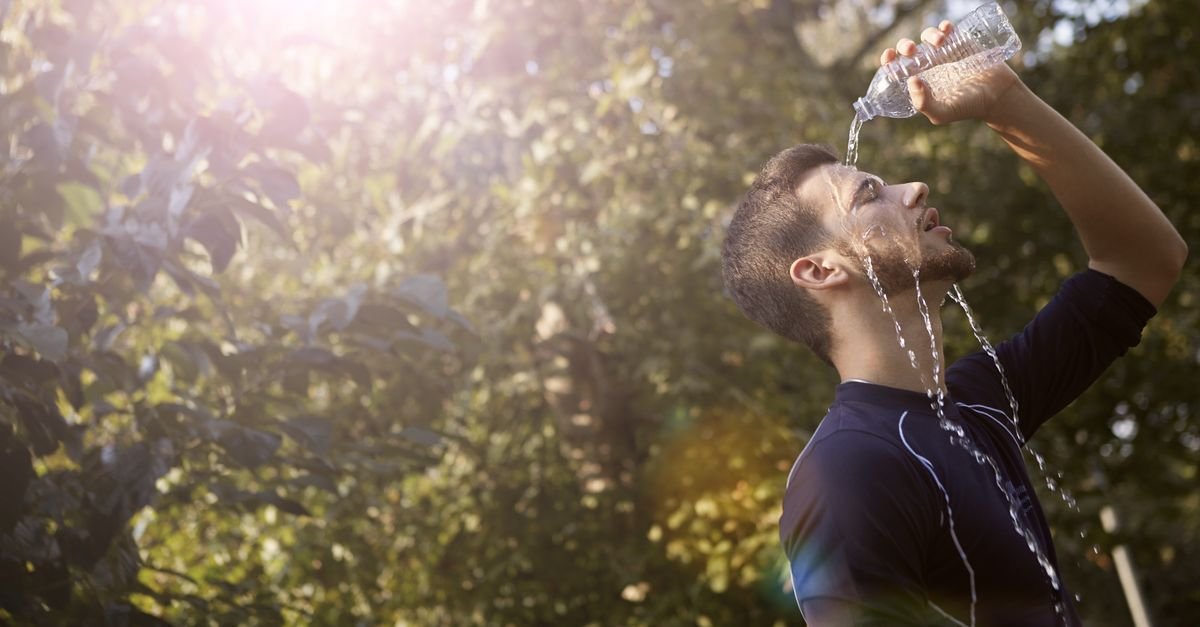
- Pour water on yourself: Don’t just drink it. Pour it over your head and neck. As it evaporates, it cools you.
Post-Workout Recovery in Hot Weather
Your workout isn’t over when you stop moving. Recovery in the heat requires extra attention. Cool down gradually. Don’t jump into a freezing shower immediately, as it can cause dizziness. Instead, walk in the shade, sip fluids, and stretch gently.
Take a cool shower or bath within 30 minutes. It helps lower your core temperature and reduces muscle soreness. Rehydrate with water and electrolytes. Eat a balanced meal with carbs and protein. Get plenty of rest. And if you’re still feeling overheated hours later, seek medical advice.
Conclusion
Exercising outdoors in hot weather is totally doable if you respect the heat. You don’t have to be a superhero. You just have to be smart. Time your workouts for cooler hours. Wear breathable clothing. Drink more than you think you need. Adapt your intensity. Watch for warning signs. And never be afraid to move indoors or take a rest day. Your body will thank you, and you’ll still get the fresh air, sunshine, and endorphins you crave. Summer is short. Enjoy it safely, one smart workout at a time.
FAQs
1. Is it safe to exercise outdoors in 90-degree weather?
It can be safe, but it depends on humidity, your fitness level, and how long you’re out. Check the heat index. If it’s above 90 degrees Fahrenheit, reduce intensity and duration. Stay hydrated and take shade breaks. If you have health conditions or take medications, consult your doctor first. When in doubt, move indoors.
2. What should I drink during a hot-weather workout?
For workouts under 60 minutes, water is fine. For longer or more intense sessions, choose an electrolyte drink that contains sodium and potassium. Avoid sugary sodas and alcohol. Coconut water is okay, but you may need extra sodium. The best drink is the one that keeps you hydrated without upsetting your stomach.
3. How can I prevent chafing in hot weather?
Wear moisture-wicking, seamless clothing. Apply anti-chafe balm or petroleum jelly to high-friction areas like thighs, underarms, and nipples. Avoid cotton. Keep your skin dry when possible. If you do chafe, clean the area gently, apply ointment, and let it heal before your next workout.
4. Should I take a cold shower before or after a hot workout?
A cool shower before a workout can help lower your starting body temperature, but it’s not necessary. After a workout, a cool shower is great for recovery. Avoid ice-cold showers immediately after exercise, as they can cause dizziness. Lukewarm or cool water is best.
5. How do I know if I’m acclimated to the heat?
Signs of heat acclimatization include sweating sooner, sweating more evenly, a lower heart rate at the same pace, and feeling less exhausted in the heat. It usually takes 10 to 14 days of gradual exposure. Even when acclimated, you still need to hydrate and avoid extreme heat.



