Table of Contents
- How to Cool Down After a Tough Workout
- Why Cooling Down Matters More Than You Think
- What Happens to Your Body After a Hard Session
- Heart Rate, Breathing, and Hormones
- The Golden Rule: Don’t Stop Dead
- The First 60 Seconds Matter
- Active Recovery vs. Passive Rest
- Step-by-Step Cool-Down Routine You Can Actually Follow
- Step 1: Walk It Out and Breathe
- Box Breathing for Racing Minds
- Step 2: Gentle Full-Body Stretches
- Best Stretches for Tight Hips and Hamstrings
- Step 3: Foam Rolling and Self-Massage
- How to Foam Roll Without Wincing
- Step 4: Hydrate and Refuel Smartly
- What to Drink After Sweating Hard
- Step 5: Elevate and Compress If Needed
- Cold Plunges, Ice Baths, and Contrast Showers
- When Cold Therapy Helps
- When It Might Backfire
- Mobility Work for Long-Term Recovery
- Dynamic vs. Static Stretching After Workouts
- Sleep: The Cool-Down You Can’t Skip
- Building a Better Post-Workout Wind-Down
- Common Cool-Down Mistakes to Avoid
- Skipping It Because You’re Busy
- Stretching Too Hard Too Soon
- Drinking Only Water When You Need Electrolytes
- How to Cool Down Mentally After a Tough Workout
- Journaling, Music, and Mindfulness
- Sample 10-Minute Cool-Down Plan
- Conclusion
- FAQs
You just crushed a brutal workout. Your legs feel like jelly, your shirt is soaked, and your heart is pounding like a drum solo. The temptation to collapse on the floor or scroll through your phone is real. But here’s the thing: the cool-down is not optional fluff. It’s the bridge between a hard effort and a smart recovery.
If you skip it, you might feel dizzy, stiff, or wired for hours. If you do it right, you’ll walk away feeling restored, not wrecked. So let’s talk about how to cool down after a tough workout in a way that actually fits real life. No fancy spa required. Just a few smart moves, a little breathing, and a plan you can repeat.
Why Cooling Down Matters More Than You Think
Cooling down isn’t just about avoiding soreness tomorrow. It’s a signal to your body that the battle is over. During a tough workout, your nervous system shifts into fight-or-flight mode. Your heart races, your blood pressure rises, and your muscles burn through fuel. A proper cool-down helps your body shift back into rest-and-digest mode. Think of it like slowing a train instead of slamming the brakes. The smoother the stop, the less whiplash you feel later.
What Happens to Your Body After a Hard Session
After intense exercise, your blood vessels are wide open, especially in your legs. Your heart is still pumping hard. If you stop suddenly, blood can pool in your lower body. That’s why you might feel lightheaded or nauseous when you go from sprinting to standing still. Your muscles are also warm, pliable, and full of metabolic byproducts. They need gentle movement to flush things through and return to a calm state.
Heart Rate, Breathing, and Hormones
Your heart rate and breathing need a gradual ramp down. Your stress hormones, like cortisol and adrenaline, are still circulating. A cool-down helps lower them at a steady pace. If you skip it, you might stay in a revved-up state, which can mess with your sleep and appetite. Ever finish a late workout and lie in bed wide awake? That’s your nervous system still stuck in go-mode.
The Golden Rule: Don’t Stop Dead
The single best piece of cool-down advice is simple: keep moving. You don’t need to run another mile. You just need to transition. Walk, pedal easy, or do light bodyweight movements. Your body loves a gentle off-ramp. Imagine you’re a car that just exited the highway. You don’t park in the middle of the exit lane. You coast to a stop.
The First 60 Seconds Matter
The first minute after your last rep or sprint sets the tone. Don’t sit down immediately. Stand tall, shake out your arms, and take slow breaths. If you can, walk around the room or track. This tiny habit can prevent that wave of dizziness and help your heart rate start its descent. It’s not about burning more calories. It’s about being kind to your cardiovascular system.
Active Recovery vs. Passive Rest
Active recovery means light movement, like walking or easy cycling. Passive rest means sitting or lying down. Right after a tough workout, active recovery wins. It keeps blood flowing and helps clear waste products. Later in the day, passive rest is fine. You need both. Think of active recovery as rinsing the dishes before they crust over. Passive rest is finally putting your feet up.
Step-by-Step Cool-Down Routine You Can Actually Follow
Here’s a practical routine that takes 10 to 15 minutes. You can shorten it to five minutes if you’re in a rush. The goal is consistency, not perfection.
Step 1: Walk It Out and Breathe
Spend three to five minutes walking at a comfortable pace. Let your arms swing naturally. Focus on breathing through your nose if you can. Inhale for four counts, exhale for six counts. This longer exhale helps switch on your parasympathetic nervous system, the one that says, “We’re safe now.”
Box Breathing for Racing Minds
If your mind is still spinning from that tough interval, try box breathing. Inhale for four seconds. Hold for four. Exhale for four. Hold for four. Repeat for a minute or two. It sounds simple, but it’s like a reset button for your brain. You’re telling your body that the threat is gone.
Step 2: Gentle Full-Body Stretches
After your walk, move into static stretches. Hold each stretch for 20 to 30 seconds. Don’t bounce. Don’t force it. You should feel a mild pull, not pain. Focus on the muscles you just hammered. If you ran, stretch your calves, hamstrings, quads, and hip flexors. If you lifted, stretch your chest, lats, shoulders, and hips.
Best Stretches for Tight Hips and Hamstrings
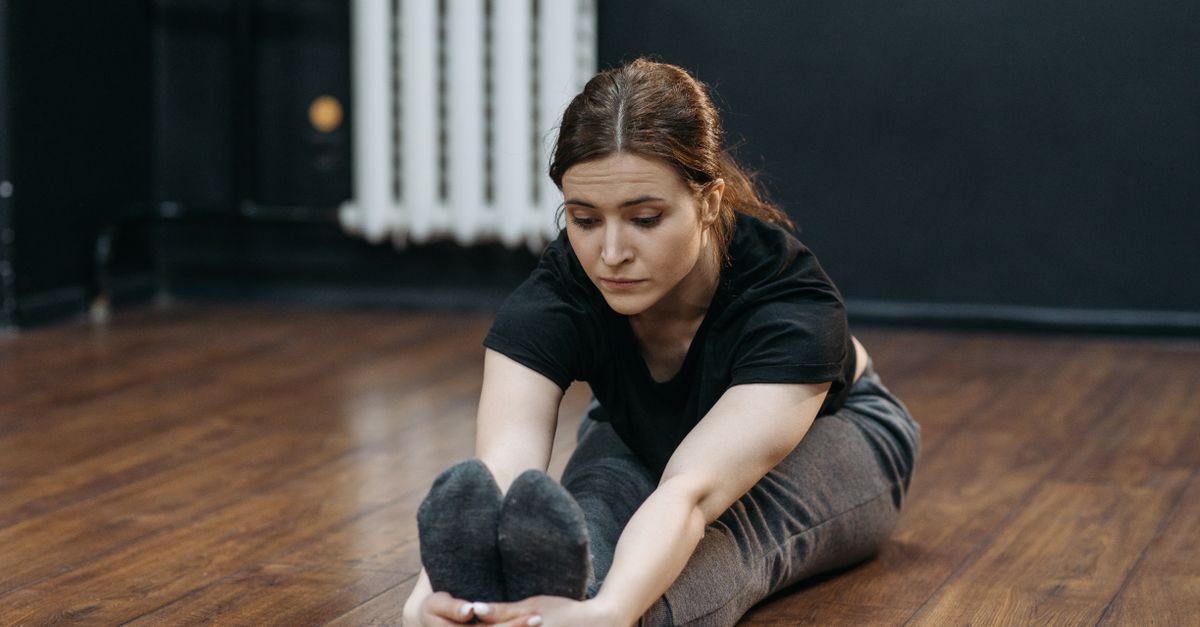
Try a kneeling hip flexor stretch. Kneel on one knee, tuck your pelvis, and gently press forward. For hamstrings, sit with one leg extended and hinge forward from your hips. For a figure-four stretch, lie on your back, cross one ankle over the opposite knee, and pull your legs toward your chest. These three moves can unlock a lot of post-workout tension.
Step 3: Foam Rolling and Self-Massage
Foam rolling can help reduce soreness and improve mobility. Roll slowly over your quads, calves, glutes, and upper back. Spend 30 to 60 seconds per area. If you hit a tender spot, pause and breathe. Don’t roll directly over joints or your lower back. A lacrosse ball or massage gun can work too, but keep the pressure gentle.
How to Foam Roll Without Wincing
Many people treat foam rolling like a punishment. They press hard and grimace. That’s not helping. Your nervous system tenses up when you’re in pain. Use moderate pressure. If you can’t breathe deeply, you’re pressing too hard. The goal is to relax the tissue, not bruise it.
Step 4: Hydrate and Refuel Smartly
You lose fluids and electrolytes when you sweat. Rehydrate with water, but don’t chug a gallon at once. Sip steadily over the next hour. If your workout lasted more than 60 minutes or you sweat heavily, add electrolytes. For refueling, aim for a mix of protein and carbs within 30 to 60 minutes. A banana with peanut butter, Greek yogurt with berries, or a protein shake with fruit all work well.
What to Drink After Sweating Hard
Water is great for short, easy sessions. But if you’re dripping and salty, you need more. Electrolyte drinks, coconut water, or even a pinch of sea salt in water can help. Chocolate milk is a classic recovery drink because it has carbs, protein, and electrolytes. Just avoid sugary sodas and too much caffeine, which can keep you wired.
Step 5: Elevate and Compress If Needed
If your legs feel heavy or swollen, lie on your back with your legs up against a wall for five minutes. This helps blood return to your heart. Compression socks or sleeves can also help with swelling and soreness. They’re not magic, but they’re a nice tool for tough leg days.
Cold Plunges, Ice Baths, and Contrast Showers
Cold therapy is trendy, but it’s not a one-size-fits-all fix. Ice baths can reduce inflammation and numb soreness, but they may also blunt muscle growth if you’re trying to build strength. The key is timing. If you’re training for a competition and need to recover fast, cold exposure can help. If you’re chasing hypertrophy, save it for later in the day or skip it.
When Cold Therapy Helps
Cold plunges and ice baths can be useful after endurance events, in hot weather, or when you’re dealing with acute soreness. They can also help calm an overactive nervous system. A contrast shower, alternating hot and cold water, is a gentler option. It can boost circulation without the shock of a full plunge.
When It Might Backfire
If you immediately jump into an ice bath after a strength workout, you might reduce the inflammatory signals that help muscles adapt. That doesn’t mean you’ll lose all your gains, but it’s worth considering. Also, cold therapy isn’t great if you have heart conditions or poor circulation. Always check with a professional if you’re unsure.
Mobility Work for Long-Term Recovery
Cool-down is a short-term fix. Mobility work is the long game. Spend a few minutes each day on gentle range-of-motion exercises. Think cat-cow, world’s greatest stretch, and ankle circles. You don’t need to become a yoga guru. You just need to keep your joints moving so you can train again without nagging aches.
Dynamic vs. Static Stretching After Workouts
Before a workout, dynamic stretching is best. That’s controlled movement like leg swings and arm circles. After a workout, static stretching is fine because your muscles are warm. But keep it gentle. Save the intense stretching for a separate mobility session. Your muscles are already stressed; don’t add more damage.
Sleep: The Cool-Down You Can’t Skip
You can do all the right things after a workout, but if you sleep poorly, recovery stalls. Sleep is when your body repairs tissue, balances hormones, and restores energy. Aim for seven to nine hours. Keep your room cool, dark, and quiet. Avoid screens for 30 minutes before bed. A consistent bedtime routine tells your body it’s time to power down.
Building a Better Post-Workout Wind-Down
After your cool-down, take a warm shower. Drink some water. Do a few gentle stretches in bed. Read a book or listen to calm music. Avoid intense conversations or doomscrolling. Your nervous system needs a runway, not a roller coaster.
Common Cool-Down Mistakes to Avoid
Even well-meaning athletes mess up the cool-down. Here are the biggest traps and how to dodge them.
Skipping It Because You’re Busy
You don’t need 20 minutes. Five minutes of walking and breathing is better than nothing. Do it while you answer a text or listen to a podcast. Your future self will thank you.
Stretching Too Hard Too Soon
Deep, aggressive stretching right after a tough workout can increase microtears. Keep it gentle. You’re trying to relax, not remodel your muscles in five minutes.
Drinking Only Water When You Need Electrolytes
If you sweat heavily, plain water can dilute your sodium levels. That’s rare, but it can happen. Add electrolytes if you’re a salty sweater, it’s hot outside, or you exercised for over an hour.
How to Cool Down Mentally After a Tough Workout
Your brain needs a cool-down too. Tough workouts spike adrenaline and dopamine. That’s why you might feel wired and tired at the same time. A mental cool-down helps you transition back to normal life.
Journaling, Music, and Mindfulness
Write down one thing you did well and one thing you’ll improve. Listen to a calming playlist. Try a five-minute meditation or body scan. These small habits can lower stress and improve your mood for the rest of the day.
Sample 10-Minute Cool-Down Plan
Here’s a simple plan you can use after almost any tough workout:
- 0-3 minutes: Walk slowly and breathe deeply through your nose.
- 3-5 minutes: Gentle static stretches for calves, hamstrings, quads, and hips.
- 5-7 minutes: Foam roll your legs and upper back with light pressure.
- 7-8 minutes: Drink water or an electrolyte beverage.
- 8-10 minutes: Lie with your legs elevated or do box breathing.
Conclusion
Cooling down after a tough workout is not a waste of time. It’s a smart investment in your recovery, performance, and overall health. You don’t need a complicated routine. Walk, breathe, stretch gently, hydrate, refuel, and give your nervous system a chance to settle. Treat your cool-down like the final chapter of your workout, not an afterthought. Do it consistently, and you’ll bounce back faster, feel better, and train harder when it counts.
FAQs
1. How long should a cool-down last?
Most people benefit from 5 to 15 minutes. If you’re short on time, even three minutes of walking and deep breathing can help. Longer sessions are better after very intense workouts.
2. Is it bad to skip a cool-down?
Skipping once won’t ruin your progress. But making it a habit can lead to more soreness, dizziness, and slower recovery. Consistency matters more than perfection.
3. Should I stretch before or after a workout?
Dynamic stretching is best before a workout to warm up. Static stretching is better after, when your muscles are warm and pliable. Keep post-workout stretches gentle.
4. Do ice baths help with recovery?
They can help with soreness and inflammation, especially after endurance events. But they may blunt muscle growth if used immediately after strength training. Use them strategically, not every time.
5. What should I eat after a tough workout?
A mix of protein and carbs works best. Try a protein shake with a banana, Greek yogurt with berries, or eggs with toast. Aim to eat within 30 to 60 minutes after your workout.



