Table of Contents
- How to Choose Your First Set of Dumbbells
- Why Your First Dumbbells Matter More Than You Think
- What Are Your Fitness Goals?
- Strength Training vs. Muscle Building vs. General Fitness
- The Magic of Adjustable vs. Fixed Dumbbells
- Fixed Dumbbells: Simple, Sturdy, and Space-Hungry
- Adjustable Dumbbells: The Swiss Army Knife of Home Gyms
- How Much Weight Should You Start With?
- The “Goldilocks” Rule for Beginners
- Don’t Forget Progressive Overload
- Dumbbell Materials and Grip: What Feels Right?
- Rubber, Urethane, Chrome, and Cast Iron
- Handle Diameter, Knurling, and Sweat
- Space, Storage, and Safety
- Flooring, Racks, and Family-Proofing
- Budget vs. Long-Term Value
- Where to Buy Dumbbells
- Testing Dumbbells Before You Commit
- Check the Return Policy
- Look for a Warranty
- A Simple Beginner Dumbbell Workout to Test Your Choice
- Common Mistakes When Buying First Dumbbells
- Buying Only One Pair
- Chasing Someone Else’s Weight
- How to Know When to Level Up
- Conclusion
- FAQs
How to Choose Your First Set of Dumbbells
Buying your first set of dumbbells should feel exciting, not confusing. Yet walk into a fitness store or scroll through an online marketplace, and you’ll see shiny chrome pairs, rubber-coated hex heads, adjustable monsters, and tiny pink neoprene cuties. Suddenly, a simple question turns into a quiz you didn’t study for. So where do you start?
Here’s the good news: you don’t need a perfect pair. You need a smart pair. The right first set of dumbbells can help you build strength, improve your posture, boost your metabolism, and feel more confident in your own skin. The wrong pair can gather dust, hurt your wrists, or make you dread your workouts. Let’s make sure you choose the former.
Why Your First Dumbbells Matter More Than You Think
Dumbbells are like training wheels for strength. They teach your body how to move under resistance without the overwhelming stability demands of a barbell. They’re also ridiculously versatile. You can press, row, curl, squat, hinge, carry, and twist. A single pair can train your entire body.
But your first pair sets the tone. If they’re too heavy, you’ll struggle, compensate, and maybe tweak something. If they’re too light, you’ll outgrow them in a month and feel like you wasted money. If they’re uncomfortable, you’ll avoid them. That’s why choosing well matters. It’s not about being picky. It’s about being intentional.
Think of it this way: you wouldn’t buy running shoes two sizes too small just because they look cool. Dumbbells are tools. They should fit your body and your goals.
What Are Your Fitness Goals?
Before you add anything to your cart, ask yourself one honest question: what do I actually want to do with these dumbbells? The answer changes everything. A person recovering from an injury needs different weights than a person training for a physique competition. A busy parent squeezing in 20-minute workouts has different needs than a garage gym enthusiast.
Strength Training vs. Muscle Building vs. General Fitness
If your goal is general fitness, you probably want a moderate pair that lets you complete 10 to 15 reps with good form. You’re training your heart, your muscles, and your joints. You don’t need to chase massive weights.
If your goal is muscle building, you’ll need a range of weights. Your body adapts quickly, and what feels heavy today will feel light in six weeks. Adjustable dumbbells or a small set of fixed pairs will serve you better than one lonely pair.
If your goal is pure strength, you’ll eventually need heavier loads and probably a bench or rack. But for your first set, focus on learning movements like goblet squats, Romanian deadlifts, and floor presses. Strength is a skill before it’s a number.
See the pattern? Your goals decide your weight range, your budget, and your style. Don’t skip this step.
The Magic of Adjustable vs. Fixed Dumbbells
Now comes the classic fork in the road. Do you buy fixed dumbbells or adjustable dumbbells? Both have passionate fans. Both have trade-offs. Let’s break it down without the marketing fluff.
Fixed Dumbbells: Simple, Sturdy, and Space-Hungry
Fixed dumbbells are exactly what they sound like: one weight per dumbbell, permanently attached. You grab them, you lift them, you put them back. No dials, no pins, no tiny pieces to lose. That simplicity is beautiful, especially when you’re tired and just want to train.
They’re also incredibly durable. A good cast-iron or rubber-coated fixed dumbbell can survive drops, sweat, and decades of use. You can superset quickly because there’s no adjustment time. And they feel solid in your hands. No wobble. No rattle.
The downside? Space and cost. A full set of fixed dumbbells from 5 to 50 pounds can take up an entire wall and cost more than a used car. For a first set, you might buy just one or two pairs. But then you’ll need more as you get stronger.
Adjustable Dumbbells: The Swiss Army Knife of Home Gyms
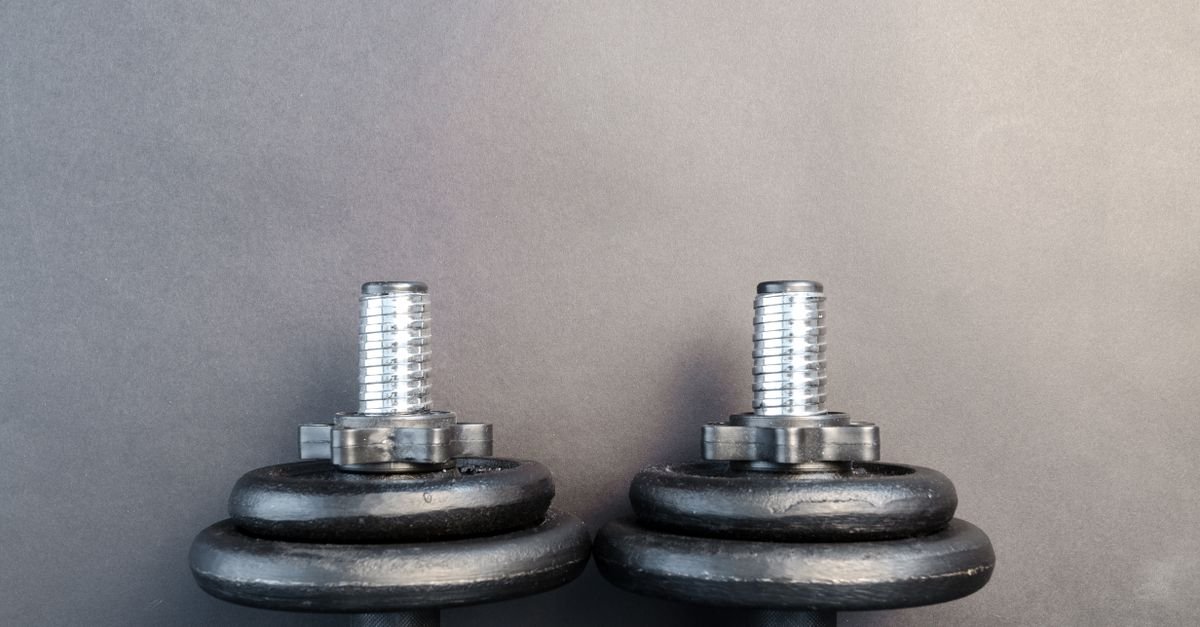
Adjustable dumbbells are the Swiss Army knife of home fitness. One pair can replace an entire rack. You twist a dial, pull a pin, or slide a selector, and suddenly your 10-pound dumbbell becomes a 25-pound dumbbell. That convenience is a game-changer for small apartments, garages, and budgets.
Modern adjustable dumbbells have come a long way. Some use quick-change mechanisms that take seconds. Others use traditional spin-lock collars that take a bit longer but cost far less. The best choice depends on your patience and your wallet.
But adjustable dumbbells aren’t perfect. They can be bulkier than fixed dumbbells, which makes certain exercises like curls or overhead presses feel awkward. Some models have plastic parts that don’t love being dropped. And if you lose a weight plate, the whole system suffers.
Still, for most beginners, adjustable dumbbells offer the best blend of versatility and value. You can start light, grow strong, and avoid buying five different pairs in one year.
How Much Weight Should You Start With?
This is the question that keeps beginners awake at night. How much is enough? How much is too much? The answer is frustratingly personal. It depends on your current strength, your body size, your training history, and the exercises you plan to do.
The “Goldilocks” Rule for Beginners
Use the Goldilocks rule: not too heavy, not too light, just right. For most beginners, a good starting range is 5 to 15 pounds per dumbbell for upper-body exercises and 10 to 25 pounds per dumbbell for lower-body exercises. But that’s a wide range. How do you narrow it?
Try this simple test. Pick up a dumbbell and perform 10 reps of a basic exercise like a bicep curl or shoulder press. If you can’t complete 8 reps with good form, it’s too heavy. If you can easily do 20 reps and feel like you could do 20 more, it’s too light. The sweet spot is a weight you can lift for 10 to 15 reps while feeling challenged on the last two or three.
Remember, your lower body is usually stronger than your upper body. Don’t be embarrassed if you need heavier dumbbells for squats than for curls. That’s normal. Your body is a collection of different muscles, not a single uniform machine.
Don’t Forget Progressive Overload
Progressive overload is a fancy phrase for a simple idea: to get stronger, you must gradually ask more from your muscles. If you only own one pair of 8-pound dumbbells, you’ll hit a ceiling fast. You can add reps, slow down your tempo, or shorten rest periods, but eventually you’ll need more weight.
That’s why adjustable dumbbells or a small range of fixed weights is so valuable. Your first set shouldn’t be your forever set. It should be a bridge to your next level. Plan for progress, not perfection.
Dumbbell Materials and Grip: What Feels Right?
Materials affect durability, noise, floor safety, and how the dumbbell feels in your hand. You don’t need to become a metallurgist, but you should know the basics.
Rubber, Urethane, Chrome, and Cast Iron
Rubber-coated dumbbells are popular for home gyms because they protect your floor and reduce noise. They’re comfortable and grippy. The coating can wear over time, especially if you drop them on concrete.
Urethane-coated dumbbells are the premium option. They resist cracking, smell less, and last longer. They also cost more. If you’re on a tight budget, skip urethane for now.
Chrome dumbbells look sleek, but they can chip and rust if you sweat a lot. They also feel slippery when your hands get sweaty. They’re better for light use or display than for hard training.
Cast-iron dumbbells are old-school and tough. They’re often cheapest, but they can chip paint, scratch floors, and make a loud clang. If you buy cast iron, consider a rubber mat underneath.
Handle Diameter, Knurling, and Sweat
Handle diameter matters more than you think. A handle that’s too thick will tire your grip before your target muscle. A handle that’s too thin will dig into your palm. For most beginners, a diameter between 1.1 and 1.3 inches feels comfortable.
Knurling is the crosshatch pattern on the handle. It improves grip, but aggressive knurling can tear up your hands. Look for a medium knurl that feels secure without being sandpaper. If you sweat heavily, consider chalk or lifting straps later, but don’t rely on them for every exercise.
Also, check the spin. Some dumbbells have rotating handles that reduce wrist strain. Others are fixed. Neither is universally better. It depends on your joints and preferences.
Space, Storage, and Safety
Where will your dumbbells live? That question matters more than you might expect. A pair of 50-pound dumbbells is not something you casually kick under the couch. You need a plan for storage, access, and safety.
Flooring, Racks, and Family-Proofing
If you have hardwood floors, rubber-coated dumbbells and a thick exercise mat are your friends. If you have carpet, you have more protection, but still avoid dropping weights. If you have concrete, be careful. Concrete is unforgiving, and it can crack your dumbbells or your floor.
A storage rack keeps dumbbells organized and off the floor. It also saves your toes. For adjustable dumbbells, a dedicated stand or tray keeps the plates from scattering. If you have kids or pets, store your dumbbells in a locked room or high shelf. A curious toddler and a 20-pound dumbbell are a dangerous combination.
Safety isn’t glamorous, but it’s essential. You want to train for decades, not just for a few weeks.
Budget vs. Long-Term Value
Dumbbells range from dirt cheap to shockingly expensive. You can buy a pair of 10-pound neoprene dumbbells for the price of a pizza, or you can spend hundreds on a premium adjustable set. Which is right for you?
Don’t just look at the sticker price. Look at cost per use. A $300 adjustable dumbbell set that you use three times a week for five years costs pennies per workout. A $40 pair that you use twice and abandon is a waste. Value is about longevity, versatility, and enjoyment.
Where to Buy Dumbbells
You can buy dumbbells online, at big-box sporting goods stores, from specialty fitness retailers, or secondhand. Online shopping is convenient, but shipping costs can be brutal because dumbbells are heavy. Local pickup is often cheaper.
Secondhand dumbbells are a hidden gem. Check social media marketplaces, garage sales, and consignment shops. Cast iron lasts forever, so a used pair is often just as good as new. Just inspect for cracks, rust, or bent handles.
Specialty retailers offer better warranties and return policies. Big-box stores offer lower prices but less support. Choose based on your comfort level and budget.
Testing Dumbbells Before You Commit
If possible, test dumbbells before buying. Pick them up. Perform a few reps. Check how they feel in your hands. Do they rattle? Are the collars smooth? Does the handle twist comfortably? A five-minute test can save you months of frustration.
Check the Return Policy
Online retailers often have return windows, but return shipping for heavy items can cost a fortune. Read the fine print. Some companies offer free returns, while others charge a restocking fee. Know before you click “buy.”
Look for a Warranty
A good warranty signals confidence in the product. Look for at least a one-year warranty on adjustable mechanisms and a lifetime warranty on cast-iron heads. If a company won’t stand behind its dumbbells, why should you?
A Simple Beginner Dumbbell Workout to Test Your Choice
Here’s a quick full-body workout you can use to test your new dumbbells. Aim for 2 to 3 sets of 10 to 12 reps per exercise. Rest 60 seconds between sets.
- Goblet Squat: Hold one dumbbell vertically against your chest. Squat down, keep your chest up, and drive through your heels.
- Romanian Deadlift: Hold two dumbbells in front of your thighs. Hinge at your hips, keep your back flat, and lower until you feel a stretch in your hamstrings.
- Floor Press: Lie on your back with knees bent. Press two dumbbells up from your chest, then lower until your triceps touch the floor.
- One-Arm Row: Place one hand on a bench or chair. Row one dumbbell toward your hip, squeezing your shoulder blade.
- Bicep Curl: Stand tall and curl two dumbbells toward your shoulders. Keep your elbows tucked.
- Overhead Press: Press two dumbbells from shoulder height to overhead. Don’t arch your lower back.
If you can complete this workout without feeling like your joints are screaming, your dumbbells are probably a good fit. If you can’t finish the reps, go lighter. If you finish and feel nothing, go heavier.
Common Mistakes When Buying First Dumbbells
Even smart people make dumb dumbbell decisions. Here are the most common traps and how to avoid them.
Buying Only One Pair
One pair is a great start, but it’s a terrible finish. Your strength will change. Your exercises will change. Your goals will change. If you buy only one pair, you’ll eventually need more. That’s fine. Just don’t pretend it’s the final answer.
Chasing Someone Else’s Weight
Your friend might curl 40 pounds. Your favorite influencer might press 60. Good for them. Your journey is not a competition. Start where you are. Ego lifting leads to injury, and injury leads to zero workouts. Swallow your pride, pick up the lighter dumbbell, and master your form.
How to Know When to Level Up
You’re ready for heavier dumbbells when your current weight feels easy for the upper end of your rep range. If you can do 15 reps with perfect form and still feel like you could do five more, it’s time to increase. Add the smallest increment available, usually 2.5 or 5 pounds per dumbbell. Small jumps are safer and smarter than big leaps.
Also, pay attention to your joints. If your elbows, shoulders, or wrists hurt, don’t push through it. Pain is not progress. Soreness is fine. Sharp pain is a stop sign.
Conclusion
Choosing your first set of dumbbells doesn’t have to be overwhelming. Start with your goals. Decide between fixed and adjustable. Pick a weight that challenges you for 10 to 15 reps. Check the grip, the material, and the storage situation. Set a budget that values long-term use over short-term savings. Then test your choice with a simple full-body workout.
Remember, your first dumbbells are not your forever dumbbells. They’re a starting line. They’re the tools that teach you how to move, how to progress, and how to show up for yourself. Buy smart, train consistently, and let your strength grow one rep at a time.
FAQs
What weight dumbbells should a beginner woman buy?
Most beginner women do well with a range of 5 to 15 pounds per dumbbell. Start with 5 or 8 pounds for upper body and 10 to 15 pounds for lower body. Adjust based on how many reps you can complete with good form.
What weight dumbbells should a beginner man buy?
Most beginner men start with 10 to 20 pounds per dumbbell for upper body and 15 to 25 pounds for lower body. If you’re completely new to strength training, start lighter and focus on technique.
Are adjustable dumbbells worth it for beginners?
Yes, for most beginners, adjustable dumbbells offer the best value. They save space, save money over time, and let you progress without buying a dozen fixed pairs. Just choose a reputable brand with a good warranty.
Can I build muscle with light dumbbells?
Absolutely. You can build muscle with light dumbbells if you use progressive overload, slow down your reps, increase volume, and stay consistent. Eventually, you’ll need heavier weights to keep growing, but light dumbbells can take you further than you think.
How many dumbbells do I need for a home gym?
For a basic home gym, one pair of adjustable dumbbells or two to three pairs of fixed dumbbells is enough to start. Add a bench, a mat, and a resistance band, and you can train your entire body for months.



