Table of Contents
- Getting Started With Exercise in a Wheelchair
- Why Exercise in a Wheelchair Matters
- Before You Start: Safety and Medical Check-Ins
- Setting Realistic Goals You Can Actually Keep
- Building Your Wheelchair Exercise Toolkit
- The Four Pillars of a Wheelchair Workout
- Sample Beginner Wheelchair Workout Plan
- Seated Exercises You Can Try Today
- How to Stay Motivated When Progress Feels Slow
- Avoiding Common Mistakes
- Adaptive Sports and Community Options
- When to Rest and When to Push
- Conclusion
- FAQs
Getting Started With Exercise in a Wheelchair
Getting started with exercise in a wheelchair can feel like standing at the base of a mountain with no clear trail. You know movement matters. You want to feel stronger, healthier, and more independent. But where do you begin when most fitness advice assumes you’ll be running, jumping, or lifting from a standing position? Here’s the good news: your wheelchair isn’t a barrier to fitness. It’s simply the starting point. With the right mindset, modifications, and pacing, you can build a workout routine that meets you where you are and grows with you.
Whether you’re newly injured, living with a chronic condition, aging with a disability, or just looking for seated options, this guide will walk you through the practical steps. We’ll talk safety, goals, gear, exercises, motivation, and the small habits that turn movement into a lasting part of your life. Think of it like learning a new language. You don’t need to be fluent on day one. You just need a few useful phrases to start the conversation.
Why Exercise in a Wheelchair Matters
Exercise is not a luxury. For wheelchair users, it’s often a powerful tool for protecting health, boosting independence, and improving daily comfort. Your body adapts to what you ask it to do. If you spend most of your day seated, your muscles, joints, heart, and lungs need intentional movement to stay strong and resilient. The goal isn’t to “fix” your body. The goal is to support it.
Physical Benefits That Go Beyond Strength
Regular movement can improve cardiovascular health, circulation, endurance, and muscle strength. It can help manage weight, blood sugar, and blood pressure. It can also reduce the risk of secondary conditions like heart disease, diabetes, and osteoporosis. For many wheelchair users, shoulder health is a major concern because the shoulders do a lot of extra work. A smart exercise routine can strengthen the muscles around the shoulder blades, improve posture, and reduce overuse pain.
Exercise also supports bowel and bladder function, sleep quality, and energy levels. It can make transfers easier, pushing more efficient, and daily tasks less exhausting. Imagine your body as a car. You don’t need to race it. But you do need to keep the engine running, the tires inflated, and the steering aligned. Movement is maintenance.
Mental and Emotional Wins
Let’s be honest: life with a disability can come with stress, grief, frustration, and isolation. Exercise won’t erase those feelings, but it can give you a healthy outlet. Physical activity releases endorphins, improves sleep, and can reduce symptoms of anxiety and depression. It also builds self-efficacy—the belief that you can handle challenges. That confidence often spills into other areas of life, from work to relationships to advocacy.
Have you ever noticed how a short walk can clear your head? For wheelchair users, a short push, an arm cycle session, or a seated stretch can do something similar. It’s not about burning calories. It’s about creating a sense of agency. You are doing something for yourself, and that matters.
Before You Start: Safety and Medical Check-Ins
Before you jump into a new routine, take a breath. Safety first isn’t a cliché here. Depending on your condition, you may have specific risks like autonomic dysreflexia, pressure injuries, spasticity, or cardiovascular concerns. A little preparation can save you a lot of pain later.
Talk With Your Healthcare Team
If you can, speak with your doctor, physical therapist, or occupational therapist before starting. They can help you identify safe exercises, movements to avoid, and signs that you should stop. A physical therapist can also assess your posture, range of motion, and strength. They can show you how to modify exercises for your body and wheelchair. If you don’t have access to a therapist, ask your primary care provider for guidance and look for adaptive fitness professionals in your area.
This doesn’t mean you need permission to move. It means you deserve personalized information. You wouldn’t use a random stranger’s prescription glasses. Why use a random workout plan?
Know Your Body’s Warning Signs
Pay attention to how you feel during and after exercise. Stop and seek medical help if you experience chest pain, severe shortness of breath, dizziness, faintness, a sudden severe headache, or unusual sweating. If you have a spinal cord injury, learn the symptoms of autonomic dysreflexia, such as a pounding headache, high blood pressure, flushed skin, or slow heart rate. Those are emergency signs.
Other warning signs include joint pain that doesn’t improve with rest, numbness, tingling, or a sudden increase in muscle spasms. Muscle soreness after a workout is normal. Sharp pain is not. Think of pain as a smoke alarm. It’s not always a disaster, but you shouldn’t ignore it.
Pressure Injury, Spasticity, and Temperature Awareness
If you use a wheelchair, your skin is under constant pressure. Check your skin before and after exercise, especially around your sit bones, tailbone, heels, and any area where you bear weight. Redness that doesn’t fade within 30 minutes is a warning sign. Adjust your cushion, shift your weight, and talk to your healthcare provider if you notice changes.
Spasticity can be tricky. For some people, gentle movement reduces spasticity. For others, fatigue or rapid movements make it worse. Learn your patterns. If spasms become intense or interfere with function, scale back and check with your clinician.
Temperature regulation can also be affected, especially with spinal cord injuries. You may not sweat normally or feel heat and cold the same way. Drink water, avoid extreme temperatures, and watch for signs of overheating or chilling.
Setting Realistic Goals You Can Actually Keep
One of the biggest reasons people quit exercise is that they set goals that sound impressive but feel impossible. You don’t need to become an athlete overnight. You need a plan that fits your real life, your energy, and your body.
Start With Your “Why”
Ask yourself: why do I want to exercise? Maybe you want to push up a hill without stopping. Maybe you want to reduce shoulder pain. Maybe you want to play with your kids, return to work, or feel more confident in your body. Write down your reason. Put it somewhere you can see it. When motivation dips, your “why” becomes a compass.
Your reason can be small. “I want to feel less stiff in the morning” is a perfectly valid goal. You don’t need a dramatic transformation story. You just need a direction.
Use the SMART Framework
SMART goals are specific, measurable, achievable, relevant, and time-bound. Instead of saying “I want to get fit,” try “I will do three 10-minute seated workouts each week for the next month.” That’s clear, trackable, and realistic. You can always increase later.
Start with a baseline. How many minutes of movement can you do comfortably right now? Maybe it’s five minutes. Maybe it’s twenty. Honor that number. Progress isn’t about comparing yourself to someone else’s timeline. It’s about gently expanding your own capacity.
Building Your Wheelchair Exercise Toolkit
You don’t need a fancy home gym to get started. Some of the best tools are inexpensive, portable, and easy to use from your chair. The key is to choose equipment that supports good posture and doesn’t cause pain.
Low-Cost Equipment and Everyday Items
Resistance bands are a fantastic starting point. They’re light, affordable, and come in different strengths. You can anchor them to a door, a sturdy table leg, or your wheelchair. Small dumbbells or water bottles can work for arm exercises. A medicine ball or basketball can add variety. A towel or strap can help with stretching. A mirror can help you check your posture.
Don’t forget your wheelchair itself. Your chair can be part of the workout. You can practice pushing intervals, controlled turns, and wheelchair mobility drills. You can also use your chair’s armrests for support during seated exercises.
Adaptive Fitness Gear Worth Considering
If you want to invest a little more, look into adaptive fitness equipment. An arm ergometer, also called an upper body cycle, is a great cardio option. A hand cycle can be used indoors or outdoors. Wheelchair gloves can protect your hands during pushing workouts. A good cushion improves comfort and skin protection. Some people also benefit from straps, cuffs, or adaptive grips if hand function is limited.
Before buying, check with a therapist or adaptive fitness specialist. They can help you choose equipment that matches your goals and prevents injury. You can also look for adaptive fitness centers, wheelchair sports programs, or online communities where members trade gear.
The Four Pillars of a Wheelchair Workout
A balanced routine doesn’t have to be complicated. Think of it as four pillars: cardio, strength, flexibility, and core/posture. You can train all four in one session or spread them across the week. The goal is to keep your body moving in different ways.
Cardiovascular Exercise
Cardio strengthens your heart and lungs, boosts endurance, and helps manage weight and blood pressure. Wheelchair-friendly cardio options include arm cycling, wheelchair pushing, seated aerobics, swimming, and hand cycling. You can also try shadow boxing, seated dance, or rowing with adaptive equipment.
A simple way to start is interval training. Push or cycle comfortably for one minute, then increase your effort for 30 seconds. Repeat five times. As you get stronger, add more intervals or longer work periods. You should be able to talk in short sentences during moderate cardio. If you can’t speak without gasping, slow down.
Strength Training
Strength training builds muscle, supports joints, and makes daily tasks easier. Focus on the major muscle groups you use for pushing, transferring, and lifting. That includes your shoulders, arms, chest, back, and core. Don’t neglect the muscles you don’t see in the mirror—your upper back and rotator cuff muscles are crucial for shoulder health.
Start with two sets of 8 to 12 repetitions for each exercise. Use a resistance that challenges you but doesn’t cause pain. If you can do 15 reps easily, increase the resistance slightly. If you can’t do 8 with good form, reduce it. Good form beats heavy weight every time.
Flexibility and Mobility
Sitting for long periods can tighten your hips, chest, shoulders, and neck. Stretching helps maintain range of motion and reduces stiffness. Try gentle chest stretches, shoulder rolls, neck turns, side bends, and wrist stretches. Hold each stretch for 15 to 30 seconds. Don’t bounce. Breathe.
Mobility work is different from static stretching. It’s about moving your joints through their full range. Try seated marches, arm circles, ankle pumps, and trunk rotations. These moves lubricate your joints and prepare your body for activity.
Core and Posture
Your core is more than abs. It includes the muscles that support your spine, pelvis, and trunk. A strong core improves posture, balance, breathing, and pushing efficiency. Seated exercises like abdominal bracing, side bends, trunk twists, and pelvic tilts can help.
Posture matters too. Check your seating position throughout the day. Are you slumping to one side? Is your head forward? Are your shoulders rounded? Small adjustments can reduce pain and improve your workout. Think of your posture as the foundation of a house. If it’s off, everything else feels harder.
Sample Beginner Wheelchair Workout Plan
Here’s a simple plan to help you start. Adjust it to your energy, pain levels, and medical advice. Always warm up first and cool down afterward.
Week 1: Gentle Movement and Confidence
Do this routine three times this week. Warm up with arm circles, shoulder rolls, and gentle neck stretches for 3 to 5 minutes. Then do 5 to 10 minutes of cardio, such as arm cycling or wheelchair pushing at a comfortable pace. Next, do 10 minutes of strength exercises: shoulder press, biceps curl, seated rows, and chest press. Use light resistance. Finish with 5 minutes of stretching for your shoulders, chest, back, and wrists.
If 20 minutes feels like too much, split it into two 10-minute sessions. You can also do the strength exercises on one day and cardio on another. The best routine is the one you’ll actually repeat.
Week 2 and Beyond: Adding Consistency
In week two, add 2 to 5 minutes to your cardio. Add one more strength exercise, like triceps extensions or lateral raises. Keep the same schedule unless your body tells you to rest. After a month, you might increase to four sessions per week. Remember: progress is not a straight line. Some weeks you’ll feel strong. Other weeks you’ll need more rest. That’s normal.
Seated Exercises You Can Try Today
You can build a full workout without leaving your chair. Here are some examples to get you moving.
Upper Body Moves
- Seated shoulder press: Hold weights or bands at shoulder height. Press upward until your arms are straight, then lower slowly.
- Biceps curl: Keep your elbows close to your sides. Curl the weight toward your shoulders, then lower with control.
- Seated row: Anchor a band in front of you. Pull the handles toward your ribs, squeezing your shoulder blades together.
- Chest press: Wrap a band around your back or chair. Push your hands forward, then return slowly.
- Triceps extension: Hold one weight overhead with both hands. Bend your elbows to lower it behind your head, then straighten.
Lower Body and Leg Movements
- Knee extension: Straighten one leg slowly, hold for a moment, then lower. Add ankle weights if you can tolerate them.
- Seated marching: Lift one knee as high as comfortable, then alternate. This improves hip mobility and circulation.
- Heel slides: Slide your heel toward your chair, bending your knee. Then slide it back out.
- Ankle pumps: Point and flex your feet to improve circulation and reduce swelling.
Wheelchair Mobility Drills
Your wheelchair skills are fitness too. Practice controlled pushes for 30 seconds, then rest. Try slalom turns around cones or water bottles. Practice stopping and starting smoothly. If you’re able, work on wheelies with a spotter or therapist. These drills build coordination, confidence, and upper body endurance.
How to Stay Motivated When Progress Feels Slow
Motivation is a fickle friend. Some days you’ll feel unstoppable. Other days, putting on your workout clothes will feel like climbing a hill. That’s why habits matter more than motivation. Attach exercise to something you already do. After your morning coffee, do five minutes of stretching. After lunch, do a five-minute arm cycle. Stack tiny habits until they become automatic.
Track your progress in a way that feels meaningful. Don’t just measure weight or reps. Notice how easy it is to push up a ramp. Notice if you have less shoulder pain. Notice if your mood improves. Celebrate those wins. Find a workout buddy, join an online adaptive fitness group, or follow wheelchair fitness creators. Community can turn a lonely workout into a social event.
And when you miss a day? Don’t quit. Missing one workout is a drop in the bucket. Quitting is emptying the bucket. Just start again.
Avoiding Common Mistakes
One common mistake is doing too much too soon. You might feel great during the workout and pay for it two days later. Start smaller than you think you need to. Another mistake is ignoring pain. Discomfort from effort is okay. Pain that lingers or worsens is not. Adjust, rest, and seek help.
Poor posture is another trap. If you slump while lifting, you put extra stress on your neck and shoulders. Set up your chair and equipment so you can sit tall. Don’t forget hydration. Wheelchair users can be at higher risk for dehydration, especially in warm weather. Drink water before, during, and after exercise.
Finally, don’t compare yourself to others. Your journey is yours. Someone else’s PR might be your warm-up, and that’s fine. Comparison steals joy and distracts you from your own progress.
Adaptive Sports and Community Options
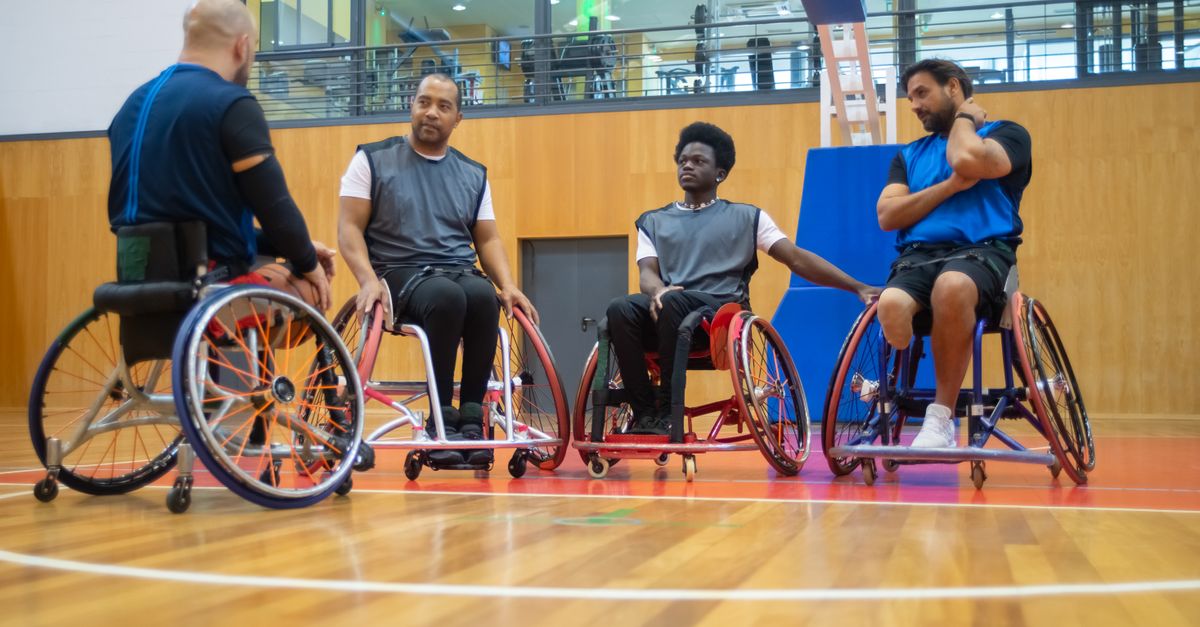
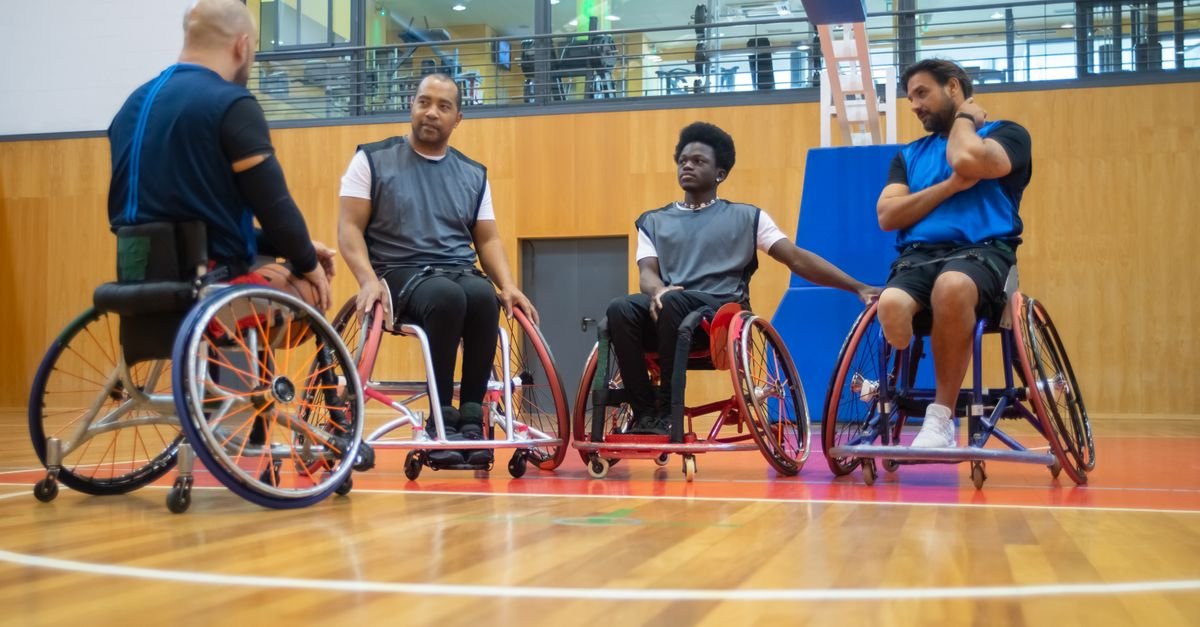
If traditional exercise feels boring, adaptive sports can change everything. Wheelchair basketball, rugby, tennis, racing, hand cycling, rowing, swimming, and pickleball are just a few options. These sports build fitness, skill, and friendship. They also remind you that movement can be fun, not just therapeutic.
Look for local adaptive sports organizations, rehabilitation centers, or disability nonprofits. Many offer beginner programs and loaner equipment. If you can’t find something nearby, search online for virtual adaptive fitness classes. You might be surprised by how many communities exist. You don’t have to do this alone.
When to Rest and When to Push
Learning the difference between rest and pushing is a skill. Rest when you feel sharp pain, dizziness, unusual shortness of breath, or a sudden drop in energy. Rest when your skin shows signs of pressure injury. Rest when your body is fighting an infection or illness. Pushing is different. Pushing means doing one more rep when you feel steady. It means adding five minutes to your walk when you have energy. It means showing up on a day when you’re tired but not injured.
Use a simple rating of perceived exertion. On a scale of 1 to 10, aim for 3 to 5 for most workouts. That’s moderate effort. You should feel warm and slightly challenged, but not exhausted. On high-energy days, you can go to 6 or 7. On low-energy days, stay at 2 or 3. The goal is consistency, not heroics.
Conclusion
Getting started with exercise in a wheelchair is less about finding the perfect plan and more about taking the first small step. You don’t need to be an athlete. You don’t need a fancy gym. You need a body that’s willing to move, a mind that’s open to adapting, and a routine that respects your limits while gently expanding them. Start with five minutes. Try one new exercise. Check your posture. Drink water. Rest when you need to. Then do it again tomorrow.
Your wheelchair is not the end of your fitness story. It’s the setting for a new chapter. Whether you want to reduce pain, build strength, improve mood, or join a sport, movement can meet you where you are. Be patient with yourself. Be proud of every small win. And remember: progress isn’t about speed. It’s about direction. You’ve already taken the first step by reading this. Now take the next one.
FAQs
Can I exercise in a wheelchair if I have limited arm strength?
Yes, absolutely. You can start with gentle range-of-motion exercises, assisted movements, or light resistance bands. A physical or occupational therapist can help you adapt exercises to your abilities. You can also use straps, cuffs, or adaptive equipment to reduce the demand on your grip. The key is to start where you are and progress gradually.
How often should I exercise?
For general health, aim for at least 150 minutes of moderate cardio per week, plus two strength sessions. But that’s a long-term goal, not a starting point. Begin with two or three short sessions per week. Even 10 minutes counts. Consistency matters more than duration at the beginning.
What if exercise causes pain or spasms?
Mild muscle soreness is normal. Sharp pain, joint pain, or a sudden increase in spasms is not. Stop the exercise, rest, and see if it improves. If pain continues, talk to your healthcare provider or therapist. They can help you modify the movement or find an alternative. Never push through severe pain.
Do I need a gym membership?
No. You can get a great workout at home using resistance bands, water bottles, and your wheelchair. If you enjoy the gym, look for adaptive fitness centers or gyms with accessible equipment and trained staff. But a membership is optional. Your consistency matters far more than your location.
How do I track progress?
Track what matters to you. You can log minutes, reps, resistance levels, or how you feel after a workout. Take note of daily wins too, like easier transfers, less shoulder pain, or better sleep. Use a notebook, phone app, or calendar. Seeing your progress can boost motivation and help you adjust your plan.