Table of Contents
- Exercise for People Who Prefer Being Alone: A Solo-Friendly Guide to Getting Strong, Calm, and Consistent
- Why Solo Exercise Is a Superpower, Not a Setback
- How to Build a Solo Exercise Routine You’ll Actually Stick To
- The Best Types of Exercise for People Who Prefer Being Alone
- Home Workout Setup for Introverts and Lone Wolves
- How to Stay Motivated Without a Gym Buddy
- Common Mistakes Solo Exercisers Make
- A Weekly Solo Workout Plan You Can Steal
- Conclusion: Make Solitude Your Training Partner
- FAQs About Exercise for People Who Prefer Being Alone
Exercise for People Who Prefer Being Alone: A Solo-Friendly Guide to Getting Strong, Calm, and Consistent
Some people thrive on group fitness classes, high-fives, and loud music. Others prefer a quiet corner, a pair of headphones, and zero small talk. If you’re in the second group, you’ve probably noticed that most fitness advice is built for the first group. It assumes you want a buddy, a coach, a crowd, or a competition. But exercise for people who prefer being alone doesn’t have to feel like a compromise. It can be your best route to consistency, confidence, and calm.
Let’s be clear: preferring solitude doesn’t mean you’re antisocial, lazy, or allergic to fun. It means your energy works a certain way. You recharge in quiet spaces, and you focus better when nobody is watching. That’s not a flaw. That’s a training style. And when you build your workouts around it, exercise stops feeling like a performance and starts feeling like a personal practice.
Why Solo Exercise Is a Superpower, Not a Setback
Most people treat solo exercise like plan B. Plan A is the gym with a friend, the running club, the group class. Plan B is you, alone, hoping you’ll somehow stay motivated. But that framing is backward. Solo exercise gives you something group workouts often can’t: total control over the pace, the environment, and the pressure level.
Think of it like cooking at home instead of eating at a restaurant. A restaurant can be fun, but at home you choose the portions, the spices, and the timing. You’re not waiting for a table, and you’re not performing for anyone. Solo exercise works the same way. You can adjust the volume, skip the moves that hurt, and repeat the ones that feel good. That kind of ownership is powerful.
The Quiet Advantage of Training Alone
When you train alone, the noise drops. Not just background noise, but social noise. You’re not wondering if you’re keeping up, if your form looks weird, or if someone is waiting for the machine. That mental space is valuable. It lets you focus on the basics: breathing, posture, tempo, and effort.
For many people who prefer being alone, exercise becomes a moving meditation. A long walk, a steady set of squats, or a slow mobility flow can feel like hitting reset. You’re not just training your body; you’re giving your mind a break from being “on.” That’s a real benefit, and it’s worth protecting.
What “Alone” Actually Means for Your Workouts
Alone can mean a lot of things. Maybe you want an empty home workout before the house wakes up. Maybe you like a quiet gym at 6 a.m. when only the serious regulars show up. Maybe you want a trail, a bike path, or a pool lane where nobody talks to you. Maybe you’re fine with people around as long as they leave you alone.
Figure out your flavor of alone. Do you want silence, or do you want music? Do you want to be totally unseen, or are you okay being one of many people ignoring each other at the gym? Once you know what “alone” means to you, you can design your workouts around it instead of forcing yourself into a scene that drains you.
How to Build a Solo Exercise Routine You’ll Actually Stick To
The best solo routine isn’t the most advanced one. It’s the one you’ll repeat when you’re tired, busy, and not feeling especially inspired. Consistency beats intensity almost every time. So let’s build a routine that fits your personality, not just your schedule.
Start With Your Personality, Not a Program
Ask yourself a few honest questions. Do you like structure or freedom? Do you prefer short, intense sessions or longer, slower ones? Do you want to learn a skill, or do you just want to move and feel good? Do you like tracking numbers, or does that make you want to quit?
If you’re a quiet problem-solver, strength training might click. If you like zoning out, walking or cycling might be your thing. If you need to release tension, boxing or mobility work could help. There’s no award for choosing the hardest option. Pick the one you’ll come back to.
The Low-Pressure Starter Plan
Here’s a simple starting point for someone who wants to exercise alone without overthinking it. Do three sessions this week, each 20 to 30 minutes:
- Session 1: A brisk walk, then five minutes of easy bodyweight squats, wall push-ups, and gentle stretching.
- Session 2: A 15-minute mobility flow for your hips, shoulders, and back, followed by a short walk.
- Session 3: Two rounds of squats, push-ups, glute bridges, and planks. Rest as needed, and keep the effort moderate.
That’s it. No complicated app, no 12-week plan, no pressure to “crush” anything. You’re just teaching your body and brain that solo exercise is safe, doable, and repeatable.
Choose the Right Environment
Your environment does a lot of the motivational work for you. If your workout space is easy to access, you’ll use it. If it’s a hassle, you’ll find excuses. So make the quiet option the easy option.
At home, set up a small corner with a mat, a resistance band, and a chair. At the gym, pick off-peak hours. Outdoors, choose routes that feel calm and safe. The goal isn’t to find a magical place where motivation never fades. The goal is to remove friction so you can start before your brain starts negotiating.
Set Solo Rules That Protect Your Energy
Solo workouts work best when you have a few simple rules. For example: phone on do not disturb, no comparing your progress to strangers online, and leave the gym if it’s too crowded and you feel drained. Another rule could be the “minimum dose” rule: on low-energy days, you only have to do five minutes. Five minutes is not a failure. It’s a bridge to the next workout.
You might also create an exit plan. If you go to a public space and feel overwhelmed, you’re allowed to leave. You’re allowed to walk outside instead. You’re allowed to finish early. Exercise is supposed to support your life, not make you feel trapped.
The Best Types of Exercise for People Who Prefer Being Alone
There’s no single “best” exercise for people who like solitude. The best one is the one you’ll do consistently. Still, some styles naturally fit a quiet, independent mindset. Here are some strong options.
Strength Training: The Ultimate Solo Sport
Strength training is basically a conversation between you and gravity. You show up, you lift, you rest, you repeat. Nobody needs to cheer you on. You can use dumbbells, kettlebells, resistance bands, machines, or your own bodyweight. The key is progressive overload: gradually doing a little more over time.
This type of training is great for alone-preferring people because it’s measurable and self-paced. You don’t need a partner to spot you if you use safe loads and proper equipment. You don’t need to talk to anyone between sets. You can put on your headphones and get to work.
A Simple 3-Day Strength Template
Here’s a basic template you can do at home or in a quiet gym. Do three sessions per week with at least one rest day between them.
- Day A: Squat variation, push-up variation, row variation, glute bridge, plank.
- Day B: Deadlift or hip hinge variation, overhead press, pull-down or band pull-apart, split squat, side plank.
- Day C: Lunge variation, incline push-up, band row, calf raise, dead bug.
Do two to three sets of each exercise, using a effort level that leaves you feeling challenged but not wrecked. Write down your reps. Next week, try to add one rep or a tiny bit of weight. That’s progress. It doesn’t need to be dramatic.
Walking, Hiking, and Rucking
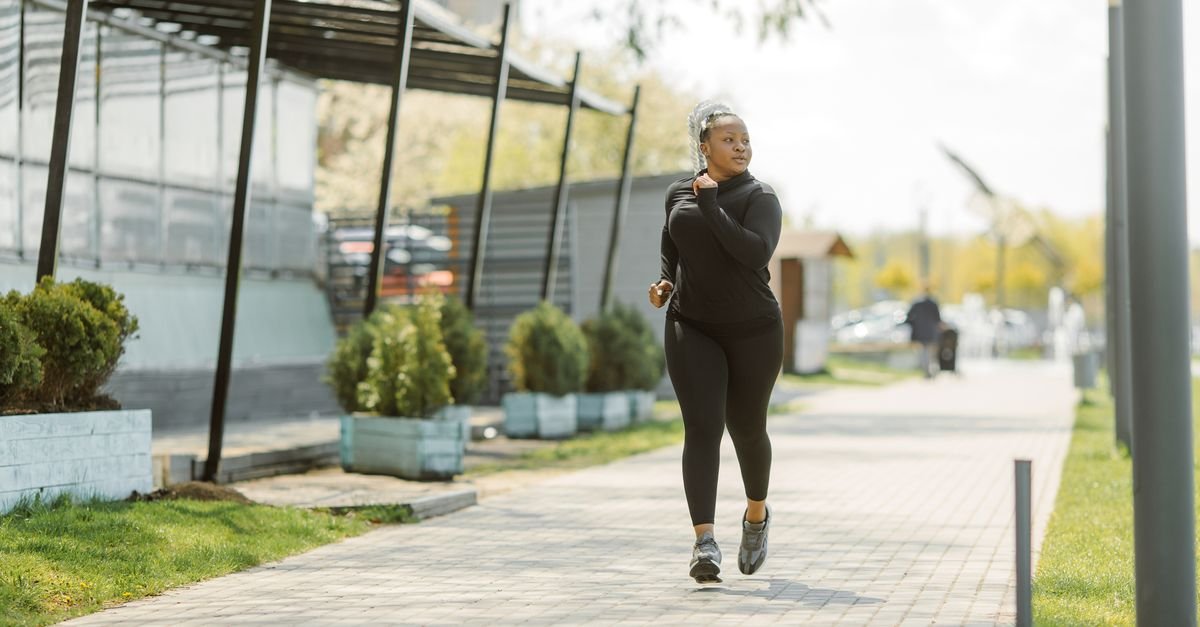
Walking is the quiet exerciser’s best friend. It’s low-skill, low-cost, and easy to fit into a busy day. Hiking adds nature and a bit of adventure. Rucking, which is walking with a weighted backpack, adds a strength-endurance challenge without requiring a gym.
These activities are perfect if you like to think, listen to podcasts, or just enjoy silence. You can go alone without needing a spotter or a schedule. And because walking is so accessible, it’s a great backup plan when your energy is low but you still want to move.
Yoga and Mobility Work
Yoga and mobility work are deeply personal. You move at your own pace, listen to your body, and focus on breathing. There’s no competition and no audience. You can follow a video, use an app, or freestyle a gentle flow.
This kind of exercise is especially useful if you sit a lot or feel stiff. It also pairs well with strength training. A short mobility session on a rest day can help you recover and feel more connected to your body.
Cycling and Swimming
Cycling and swimming are classic solo sports. They have a rhythm that can feel almost hypnotic. You can ride a bike path with nobody around, or swim laps in a quiet lane. Both activities are easy to scale: you can go short and easy, or long and challenging.
They’re also great for people who want exercise without conversation. Headphones aren’t safe for cycling outdoors, but the quiet focus of the ride can be its own reward. Swimming, of course, is naturally quiet. There’s something calming about being underwater with nothing but your breath and your stroke.
Martial Arts, Boxing, and Solo Skills
You don’t need a partner to practice martial arts or boxing. Shadowboxing, bag work, footwork drills, and technique practice can all be done alone. These activities build coordination, confidence, and cardio. They also demand focus, which can quiet a busy mind.
If you like learning skills, this is a rich area to explore. You can take a class occasionally to learn form, then practice alone at home. Or you can follow online tutorials and drill the basics. The solo time is where the skill really settles in.
Home Workout Setup for Introverts and Lone Wolves
A home workout setup doesn’t need to be fancy. In fact, the simpler it is, the more likely you are to use it. You’re not building a commercial gym. You’re building a small, reliable space that says, “This is where I move.”
Equipment You Actually Need
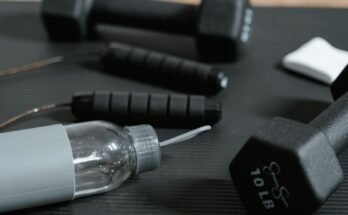
Start with a mat, a resistance band, and a sturdy chair. That’s enough for a full-body workout. If you want more variety, add a pair of adjustable dumbbells or a kettlebell. A pull-up bar is great if you have a safe place to mount it. A timer or interval app can help you keep moving without checking your phone every few seconds.
Don’t buy a pile of gear just because it looks impressive. Buy what you’ll use. A single band and a consistent habit will take you further than a garage full of equipment you ignore.
Creating a Distraction-Free Zone
Pick a corner and make it yours. Keep the mat rolled out if possible. Put your band and weights within reach. Use headphones if music or a podcast helps you focus. Put your phone on airplane mode if notifications pull you away.
The goal is to reduce decisions. When your space is ready, you don’t have to think about where to start. You just show up, press play, and move.
Small Space, Big Results
You can get a surprisingly good workout in a small apartment. Bodyweight squats, push-ups, reverse lunges, glute bridges, planks, and band rows require almost no space. A chair can support incline push-ups or split squats. A wall can support wall sits and shoulder drills.
Small space doesn’t mean small effort. It just means you need to be a little more creative. Think of it like packing for a trip with only a carry-on. You don’t need everything. You need the right essentials.
How to Stay Motivated Without a Gym Buddy
Motivation is unreliable. Some days it shows up like a loyal friend. Other days it disappears without a text. The trick isn’t to wait for motivation. The trick is to build systems that make action easier than inaction.
Use Tiny Goals and Personal Scoreboards
Instead of aiming for a vague goal like “get fit,” aim for something small and specific. Do three workouts this week. Walk for 20 minutes after lunch. Add one rep to your push-ups. These tiny goals give you a sense of progress without overwhelming you.
A personal scoreboard can help. It might be a simple notebook, a calendar, or a notes app. Mark an X on the days you move. Keep track of your reps or minutes. The scoreboard isn’t there to judge you. It’s there to show you that you’re building a pattern.
Build a “No-Pressure” Backup Workout
Some days are too busy, too loud, or too draining. On those days, you need a backup plan that’s almost impossible to fail. For example: a five-minute stretch, a 10-minute walk, or one set of squats and push-ups. That’s it.
Having a backup workout protects your identity as someone who exercises. You’re not trying to be a hero every day. You’re just keeping the streak alive. A tiny workout is still a vote for the person you want to become.
Track Energy, Not Just Reps
Numbers are useful, but they don’t tell the whole story. Pay attention to your energy, sleep, mood, and soreness. Did the workout leave you feeling better or worse? Are you recovering well? Are you sleeping better?
When you track energy, you can adjust before you burn out. You might realize that a hard workout every day leaves you exhausted, but three hard days and two easy days feels great. Solo exercise gives you the freedom to make those adjustments. Use that freedom.
Common Mistakes Solo Exercisers Make
Solo exercise is simple, but it’s not foolproof. Here are a few traps to watch for.
Overcomplicating the Plan
It’s easy to fall down a rabbit hole of programs, supplements, and conflicting advice. One expert says lift heavy. Another says do yoga. Another says run sprints. You end up planning more than moving.
Keep it simple. Pick a few basic movements and repeat them. Add variety slowly. You don’t need the perfect plan. You need a plan you’ll actually follow.
Skipping Warm-Ups Because No One’s Watching
When you’re alone, it’s tempting to skip the warm-up. Who’s going to notice? Your joints will. A few minutes of easy movement can improve performance and reduce the risk of tweaks. It doesn’t need to be elaborate. A short walk, some arm circles, and a few bodyweight squats are enough.
Turning Solitude Into Isolation
There’s a difference between choosing to exercise alone and using exercise to hide from the world. If you prefer solitude, that’s fine. But if you notice that you’re avoiding all social contact and feeling lonely, pay attention. Solo exercise shouldn’t become a wall.
You can keep your workouts private and still make time for connection elsewhere. Call a friend, join a low-key hobby group, or schedule a coffee date. Exercise is a tool for well-being, not a substitute for community.
A Weekly Solo Workout Plan You Can Steal
Here’s a sample week that balances strength, movement, and recovery. Adjust it to your schedule and energy.
Sample Week for Beginners
- Monday: Full-body strength session (squat, push-up, row, glute bridge, plank).
- Tuesday: 20- to 30-minute walk and gentle stretching.
- Wednesday: Full-body strength session (hinge, overhead press, band pull-apart, split squat, dead bug).
- Thursday: Rest or easy mobility flow.
- Friday: Full-body strength session or a longer walk.
- Saturday: Hike, bike ride, yoga, or another activity you enjoy.
- Sunday: Rest and prepare for the week.
Sample Week for Busy Introverts
- Monday: 15-minute bodyweight strength circuit.
- Tuesday: 10-minute walk after lunch.
- Wednesday: 15-minute mobility and stretching.
- Thursday: 15-minute strength circuit.
- Friday: 20-minute walk or bike ride.
- Saturday: Rest or a fun solo activity like dancing, swimming, or a longer walk.
- Sunday: Rest.
How to Adjust When Life Gets Loud
Some weeks are chaotic. Meetings pile up, family needs you, and your energy disappears. On those weeks, switch to minimum mode. Do two short workouts and a few walks. That’s enough. You’re not starting over. You’re just protecting the habit until life calms down.
Remember: a workout plan is a map, not a prison. You can take a different route and still reach the same place.
Conclusion: Make Solitude Your Training Partner
Exercise for people who prefer being alone isn’t a watered-down version of “real” fitness. It’s a smart, sustainable approach for anyone who values quiet, focus, and personal space. You don’t need a gym buddy to get stronger. You don’t need a crowd to stay consistent. You need a simple plan, a comfortable environment, and a willingness to show up for yourself.
Start small. Pick a type of movement that fits your personality. Set up a quiet corner. Give yourself permission to skip the performance and focus on the practice. Over time, those solo sessions can become one of the most grounding parts of your day. And if you ever feel stuck, come back to the basics: move your body, breathe, and repeat.
FAQs About Exercise for People Who Prefer Being Alone
Do I need a gym to get fit if I prefer exercising alone?
No. You can build strength, endurance, and mobility at home with bodyweight exercises, resistance bands, and a few dumbbells. A gym can be useful if you want access to heavier weights or equipment, but it’s not required. The best setup is the one you’ll use consistently.
How do I stay accountable without a workout partner?
Use simple systems. Schedule workouts on your calendar, track your sessions in a notebook or app, and create a minimum backup workout for low-energy days. You can also work with a coach online or join a quiet online community. Accountability doesn’t have to mean someone standing next to you.
Is solo exercise less effective than group training?
Not inherently. Group training can provide motivation and instruction, but solo exercise can be just as effective if you apply progressive overload, use good form, and stay consistent. The key is matching the method to your personality so you actually keep doing it.
What if I feel awkward exercising alone in public?
Choose lower-pressure environments first. Try off-peak gym hours, quiet trails, or a home workout. Use headphones and focus on your own session. Most people are more interested in themselves than in you. And if a place feels too uncomfortable, you’re allowed to leave and find a better fit.
How can introverts make exercise a habit?
Start with tiny sessions, attach them to an existing routine, and keep the environment ready. For example, walk after lunch or stretch before your evening shower. Track your progress in a low-pressure way, and give yourself credit for small wins. Habits grow from repetition, not perfection.