- Exercise for Better Movement in Daily Tasks: Your Ultimate Guide
- Why Daily Movement Matters More Than You Think
- The Hidden Cost of Poor Movement Patterns
- How Sedentary Lifestyles Sabotage Simple Tasks
- The Four Pillars of Functional Fitness
- Mobility: Oil for Your Joints
- Strength: The Foundation of Effortless Lifting
- Balance: Staying Steady on Uneven Ground
- Coordination: Tying It All Together
- 7 Everyday Exercises That Transform Daily Tasks
- 1. Squats for Sitting and Standing
- 2. Hinge Movements for Picking Up Groceries
- 3. Carries for Hauling Laundry and Kids
- 4. Step-Ups for Stairs and Curbs
- 5. Rotation Exercises for Twisting and Reaching
- 6. Single-Leg Balance for Slippery Floors
- 7. Push and Pull for Doors and Drawers
- How to Fit Exercise Into a Busy Day (No Gym Required)
- Micro-Workouts: The 5-Minute Rule
- Habit Stacking: Attach Exercise to Daily Tasks
- Common Mistakes to Avoid When Training for Daily Movement
- Ignoring Pain Signals
- Skipping Warm-Ups and Cool-Downs
- Sample Weekly Movement Plan for Real Life
- Monday: Lower Body Push and Carry
- Wednesday: Hinge and Rotation
- Friday: Balance and Full-Body Integration
- Conclusion: Move Better, Live Better
- FAQs About Exercise for Better Movement in Daily Tasks
Exercise for Better Movement in Daily Tasks: Your Ultimate Guide
Ever grunted while tying your shoes? Felt a sharp twinge when reaching for a cereal box? You’re not alone. Most of us take everyday movement for granted—until it starts to hurt. The good news? You don’t need a gym membership or a drill sergeant to move better. Simple, targeted exercise can transform how you tackle daily tasks. Let’s dive into the why and the how.
Why Daily Movement Matters More Than You Think
Think of your body as a well-oiled machine. When was the last time you oiled it? Daily tasks—carrying groceries, climbing stairs, hoisting a toddler—demand a mix of mobility, strength, and balance. If you ignore these, your body gets rusty. And rusty bodies creak, ache, and eventually break down. Movement isn’t just for athletes; it’s the currency of a pain-free life.
The Hidden Cost of Poor Movement Patterns
You might not notice it now, but that slouchy posture or awkward lift? It’s a slow leak in your energy tank. Poor movement patterns force other muscles to overcompensate. Ever had lower back pain after a day of cleaning? That’s your body waving a red flag. Over time, these compensations lead to injuries, reduced independence, and a whole lot of frustration. Who wants to struggle with a laundry basket?
How Sedentary Lifestyles Sabotage Simple Tasks
Sitting is the new smoking—you’ve heard it. But here’s the kicker: sitting doesn’t just make you stiff. It rewires your nervous system to forget how to move well. Your hip flexors tighten, your glutes go to sleep, and your shoulders round forward. Suddenly, picking up a dropped pen feels like a workout. The solution isn’t to quit your desk job; it’s to fight back with intentional movement. Your daily tasks will thank you.
The Four Pillars of Functional Fitness
Before we get into specific exercises, let’s break down what “better movement” actually means. It’s not about lifting the heaviest weight or running the fastest mile. It’s about moving through life with ease and confidence. Four pillars hold up that goal.
Mobility: Oil for Your Joints
Mobility is your joint’s ability to move through its full range of motion. Think of it as the oil in your hinges. Without it, every reach, twist, and bend feels gritty. Try touching your toes right now. Did you get halfway? That’s limited mobility. Exercises like leg swings and arm circles grease the wheels. Better mobility means you can grab that high shelf or squat to pet the dog without wincing.
Strength: The Foundation of Effortless Lifting
Strength isn’t about bulging biceps. It’s about your muscles’ ability to generate force—like pushing a stubborn door or carrying a heavy bag. When you’re strong, daily tasks feel lighter. A strong core protects your back. Strong legs make stairs a breeze. And strong arms mean you can hoist that suitcase into the overhead bin without asking for help. Need a metaphor? Strength is the engine; mobility is the steering.
Balance: Staying Steady on Uneven Ground
Balance keeps you upright when life gets wobbly. A slippery bathroom floor, a crowded subway, a rocky trail—these demand split-second adjustments. Balance training isn’t just for seniors. It’s for anyone who doesn’t want to face-plant while putting on pants. Simple single-leg stands or heel-to-toe walks can sharpen your stability. Trust me, your future self will thank you.
Coordination: Tying It All Together
Coordination is the symphony conductor of movement. It blends mobility, strength, and balance into smooth, efficient action. Ever tried to carry a coffee while opening a door? That’s coordination. Exercises that challenge your brain and body—like opposite arm and leg raises—teach your nervous system to fire the right muscles at the right time. The result? Daily tasks become automatic, not awkward.
7 Everyday Exercises That Transform Daily Tasks
Now for the fun part. These exercises mimic real-life movements. No fancy equipment needed. Just you, a little floor space, and a willingness to move. Sprinkle them into your week, and watch your daily tasks get easier.
1. Squats for Sitting and Standing
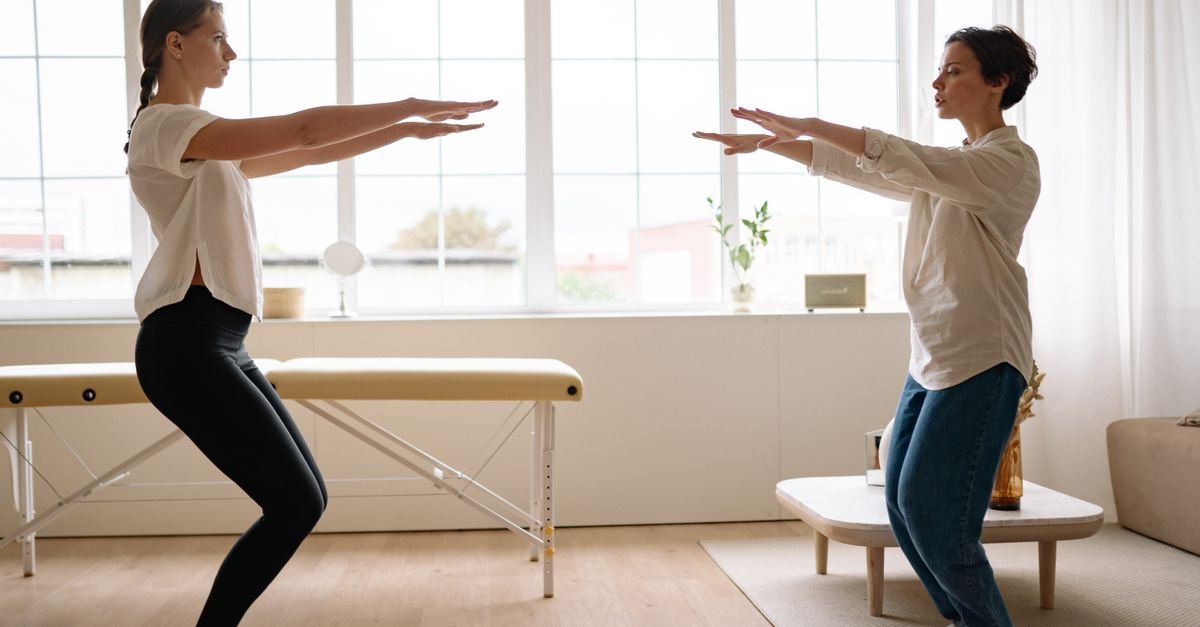
Every time you get up from a chair, you’re doing a squat. So why not practice it? A proper squat strengthens your glutes, quads, and core. Stand with feet shoulder-width apart. Push your hips back like you’re aiming for a chair behind you. Keep your chest tall. Lower down, then drive through your heels to stand. Do 10–15 reps. You’ll notice the difference when you plop onto the couch or rise from the toilet without groaning. Pro tip: hold a doorframe if balance is shaky.
2. Hinge Movements for Picking Up Groceries
Bending over to grab a grocery bag shouldn’t make you gasp. The hip hinge teaches you to bend from your hips, not your spine. Stand with feet hip-width. Soften your knees. Push your butt back as you lower your torso, keeping your back flat. Feel the stretch in your hamstrings. Then squeeze your glutes to stand up. Practice with a light weight or a water bottle. Next time you lift a heavy bag, your back will stay happy.
3. Carries for Hauling Laundry and Kids
Carrying is a lost art. We use carts and backpacks, but sometimes you just need to haul. Farmer’s carries—holding a weight in each hand and walking—build grip strength, core stability, and endurance. Grab two heavy shopping bags or dumbbells. Walk tall for 30–60 seconds. Keep your shoulders back. This exercise translates directly to lugging laundry up the stairs or carrying a sleeping child. You’ll feel like a pack mule—in the best way.
4. Step-Ups for Stairs and Curbs
Stairs are everywhere. Step-ups make them effortless. Find a sturdy step or bench. Place one foot on it. Drive through that heel to lift your body up. Step down with control. Alternate legs. Do 8–12 per side. This move targets your quads and glutes while improving balance. You’ll conquer curbs, subway steps, and that annoying staircase at work without clutching the railing.
5. Rotation Exercises for Twisting and Reaching
Life is twisty. You reach for a seatbelt, twist to grab a pan, or turn to talk to someone behind you. If your spine is stiff, these movements strain your back. Try seated rotations: sit tall in a chair, cross your arms over your chest, and gently twist left and right. Or do standing wood chops with a light weight. The goal is controlled rotation from your thoracic spine. Better rotation means fewer “ouch” moments when you reach for the back seat.
6. Single-Leg Balance for Slippery Floors
Balance is perishable. Use it or lose it. Stand on one leg while brushing your teeth. Hold for 30 seconds. Too easy? Close your eyes. Or stand on a pillow. This exercise trains the tiny muscles in your ankles and hips to keep you upright. Slippery bathroom tiles? Uneven sidewalk? You’ll be ready. No more flailing like a cartoon character.
7. Push and Pull for Doors and Drawers
Pushing a heavy door or yanking open a stuck drawer requires upper body strength. Push-ups (on knees or against a wall) build pushing power. Rows—using a resistance band or a sturdy table—build pulling power. Do 8–12 reps of each. You’ll open jars, move furniture, and pull yourself out of a pool with less grunting. It’s practical strength at its finest.
How to Fit Exercise Into a Busy Day (No Gym Required)
I get it. Your day is packed. Between work, kids, and Netflix, who has time for a workout? Here’s the secret: you don’t need a 60-minute sweat session. You need consistency, not duration. Let’s make movement fit your life, not the other way around.
Micro-Workouts: The 5-Minute Rule
Five minutes is nothing. You can scroll social media for five minutes without blinking. So why not squat, hinge, and carry for five minutes? Pick one exercise from the list above. Do it for 5 minutes while waiting for your coffee to brew. Or do a 5-minute circuit: 10 squats, 10 step-ups, 30-second carry. Repeat. The key is frequency. Three 5-minute micro-workouts beat one 15-minute session that you skip. Your body loves bite-sized movement snacks.
Habit Stacking: Attach Exercise to Daily Tasks
Habit stacking is a game-changer. You piggyback a new habit onto an existing one. For example: after you brush your teeth, do 10 squats. Before you sit down for dinner, do a 30-second single-leg stand. While the microwave runs, do wall push-ups. Before you know it, movement becomes automatic. You’re not “finding time”—you’re making time by attaching exercise to things you already do. Sneaky, right?
Common Mistakes to Avoid When Training for Daily Movement
Even well-intentioned movers stumble. Here are the pitfalls that trip people up—and how to sidestep them.
Ignoring Pain Signals
There’s a difference between muscle burn and joint pain. Burn is fine—it means you’re working. Sharp pain, clicking, or numbness? Stop. Pain is your body’s alarm system. Don’t smash the snooze button. Modify the exercise or see a professional. Pushing through pain is how small issues become big injuries. Listen to your body; it’s smarter than you think.
Skipping Warm-Ups and Cool-Downs
You wouldn’t drive a cold car at full speed. Why do that to your body? A warm-up—arm circles, leg swings, easy squats—prepares your joints and muscles for action. A cool-down—gentle stretching and deep breathing—helps you recover. These take two minutes each. Skip them and you risk stiffness, strain, and a grumpy attitude. Two minutes is a small price to pay for smoother movement.
Sample Weekly Movement Plan for Real Life
Here’s a simple, three-day plan that fits into actual life. Do these on non-consecutive days. Each session takes 15–20 minutes. You can split them into micro-workouts if needed. No equipment required—just your body and maybe a sturdy chair.
Monday: Lower Body Push and Carry
- Warm-up: 1 minute of marching in place and arm circles.
- Squats: 3 sets of 10–12 reps.
- Step-ups: 3 sets of 8 per leg.
- Farmer’s carries: 3 rounds of 30-second walks with heavy bags.
- Cool-down: 1 minute of gentle calf and hip stretches.
Wednesday: Hinge and Rotation
- Warm-up: 1 minute of hip circles and shoulder rolls.
- Hip hinges: 3 sets of 10 reps (bodyweight or light weight).
- Seated rotations: 2 sets of 10 twists per side.
- Single-leg balance: 2 sets of 30 seconds per leg.
- Cool-down: 1 minute of child’s pose and deep breathing.
Friday: Balance and Full-Body Integration
- Warm-up: 1 minute of heel-to-toe walking.
- Wall push-ups: 3 sets of 12 reps.
- Table rows (using a sturdy table): 3 sets of 8 reps.
- Single-leg stand with eyes closed: 2 sets of 20 seconds per leg.
- Cool-down: 1 minute of gentle spinal twists.
Conclusion: Move Better, Live Better
Your daily tasks aren’t going anywhere. You’ll always need to lift, carry, twist, and climb. The question is: will those tasks feel like a chore or just another part of life? Exercise for better movement isn’t about becoming a fitness model. It’s about reclaiming the simple joy of an easy, pain-free body. Start small. Pick one exercise. Attach it to a habit. Notice the difference when you pick up that grocery bag or climb those stairs. Movement is medicine—and you get to be your own doctor. So, what’s the first exercise you’ll try today?
FAQs About Exercise for Better Movement in Daily Tasks
1. How long before I notice a difference in daily tasks?
It varies, but most people feel a shift within 2–4 weeks of consistent practice. Start with 5 minutes a day. You’ll likely notice easier stairs or less back stiffness first. Remember, small changes compound.
2. Do I need to be flexible to start?
Nope. Flexibility comes with practice. Start with the range of motion you have. Use props like a chair for support. The goal is progress, not perfection. Even stiff folks can do modified squats or seated rotations.
3. Can I do these exercises if I have a bad back?
Always check with a healthcare provider first. That said, many back-friendly movements like hip hinges and carries can help. Avoid twisting under load or deep forward bends. Focus on core stability and gentle mobility. Listen to your body.
4. What if I miss a day (or a week)?
Life happens. Don’t beat yourself up. Just pick up where you left off. Consistency over time matters more than a perfect streak. A 5-minute session after a week off is still a win. Your body doesn’t keep score.
5. Is it better to do exercises in the morning or evening?
Whatever time you’ll actually do them. Morning movement wakes you up. Evening movement releases tension. Some people prefer micro-workouts throughout the day. The best time is the time that fits your routine. Experiment and find your groove.