Table of Contents
- Exercise for Better Hand-Eye Coordination: A Practical Guide
- Why Hand-Eye Coordination Matters More Than You Think
- What Exactly Is Hand-Eye Coordination?
- The Brain-Body Connection: A Quick Look Under the Hood
- Signs You Could Use a Coordination Tune-Up
- The Golden Rules Before You Start
- Warm Up, Don’t Wing It
- Build a Simple Progression
- Exercises for Better Hand-Eye Coordination
- Ball Bounce and Catch Drills
- Wall Ball: The No-Partner Workout
- Tennis Ball Drops and Claps
- Juggling: Small Balls, Big Brain Gains
- Target Practice With Throwing and Catching
- Racket and Paddle Sports
- Video Games and Coordination: Tool or Trap?
- Fine-Motor Exercises for Precision
- Coin Pickups and Finger Taps
- Threading, Sorting, and Dexterity Drills
- Coordination Exercises for Kids
- Coordination Exercises for Older Adults
- How to Build a Weekly Hand-Eye Coordination Routine
- Sample 20-Minute Session
- Track Progress Without Overcomplicating It
- Common Mistakes That Slow Progress
- When to Seek Professional Advice
- Conclusion
- FAQs
Exercise for Better Hand-Eye Coordination: A Practical Guide
Hand-eye coordination is one of those quiet skills you use all day without giving it a second thought. You reach for a coffee mug, catch a falling phone, type a message, park a car, or return a tennis serve. Your eyes feed information to your brain, your brain sends instructions to your hands, and your body makes it happen in a blink. When that loop runs smoothly, life feels effortless. When it stutters, small tasks become clumsy and frustrating.
The good news? Hand-eye coordination is trainable. You do not need fancy equipment, a personal coach, or hours of free time. You need smart exercises, a little consistency, and a willingness to look slightly silly while tossing a ball against a wall. This guide gives you practical drills, simple progressions, and a clear plan for improving hand-eye coordination at any age.
Why Hand-Eye Coordination Matters More Than You Think
Think of hand-eye coordination as the behind-the-scenes crew of your daily life. You rarely notice it until something goes wrong. It helps you slice vegetables safely, catch a dropped key, drive through traffic, and play with your kids. In sports, it separates a clean hit from a swing and a miss. At work, it can influence typing speed, tool control, and even how confidently you handle equipment.
It also matters as you age. Coordination is part of balance, reaction time, and fall prevention. A simple catch-and-toss routine can keep your visual system and muscles talking to each other. Is coordination only for athletes? Not even close. It is a life skill, and like any skill, it responds to practice.
What Exactly Is Hand-Eye Coordination?
Hand-eye coordination is the ability of your visual system to guide your hand movements accurately and efficiently. Your eyes track an object, estimate its speed and direction, and send that information to your brain. Your brain then calculates what your hands, wrists, and fingers should do. The result is a smooth action: catching, throwing, writing, buttoning a shirt, or clicking a mouse.
This skill blends several ingredients: visual tracking, timing, reaction speed, spatial awareness, and fine motor control. It is not just about “good hands.” It is about a fast, reliable conversation between your eyes, brain, and body.
The Brain-Body Connection: A Quick Look Under the Hood
Your brain is like a sports commentator who predicts the next play before it happens. When a ball flies toward you, your eyes send signals to the brain, and your brain uses past experience to guess where the ball will be. Then it sends motor commands to your hands. The more you practice, the better that prediction becomes. You are not just training your muscles; you are training your brain to read the world faster.
Signs You Could Use a Coordination Tune-Up
Maybe you bump into doorframes, knock over glasses, or feel awkward in catching games. Maybe typing feels slower than it should, or you avoid sports because you fear missing the ball. These are not labels or diagnoses. They are simply clues that your coordination system could use some playful practice. A tune-up can help at any level, from “I feel clumsy” to “I want to sharpen my tennis game.”
The Golden Rules Before You Start
Before you dive into drills, set yourself up for success. Start easier than you think you need to. Consistency beats intensity. Ten focused minutes three times a week will do more than one brutal session followed by two weeks of soreness. Use a safe space, clear away breakables, and wear shoes that grip the floor.
Quality matters more than quantity. If you are practicing a catch but your eyes are wandering, you are training sloppy habits. Keep sessions short and sharp. And please, do not compare your starting point to someone else’s highlight reel. Coordination is personal, and progress is often quiet.
Warm Up, Don’t Wing It
Your wrists, shoulders, and neck deserve a little attention before you start throwing and catching. Do gentle wrist circles, shoulder rolls, and slow neck turns. Toss a light ball hand-to-hand for a minute. The goal is not to break a sweat; it is to wake up the system and reduce stiffness.
Build a Simple Progression
A smart progression moves from simple to complex. Start stationary, then add movement. Start with large objects, then move to smaller ones. Start slow, then build speed. Start predictable, then add surprises. This is how you keep the challenge just right: hard enough to learn, easy enough to succeed.
Exercises for Better Hand-Eye Coordination
You can improve coordination with very little gear: a tennis ball, a wall, a partner, and some open space. Pick two or three drills, practice them for a few weeks, then rotate. Variety keeps your brain engaged, but repetition makes the skill stick.
Ball Bounce and Catch Drills
Hold a tennis ball at waist height. Drop it and catch it with the same hand. Do ten reps, then switch hands. Next, bounce the ball on the floor and catch it. Then try bouncing and catching with alternating hands. Keep your eyes on the ball, stay relaxed, and avoid gripping too hard. This drill trains tracking, timing, and hand positioning.
Wall Ball: The No-Partner Workout
Stand about six to eight feet from a wall. Throw a tennis ball underhand and catch it after one bounce. Keep your throws controlled. Once that feels easy, throw with one hand and catch with the other. You can also add a small step sideways between catches. Wall ball is brilliant because the wall never gets tired and never judges your misses.
Tennis Ball Drops and Claps
Have a partner hold a tennis ball at shoulder height and drop it. Your job is to catch it before it bounces twice. As you improve, catch it before it bounces once. To add difficulty, clap once before catching. This drill sharpens reaction time and visual focus. No partner? Drop the ball yourself, let it bounce once, and catch it with the opposite hand.
Juggling: Small Balls, Big Brain Gains
Juggling looks intimidating, but it is one of the best coordination teachers. Start with one ball: toss it from hand to hand in a gentle arc. Then try two balls, tossing one and catching it while the other is in the air. Scarves are easier because they float. Short practice sessions work best. Juggling trains timing, tracking, and hand independence.
Target Practice With Throwing and Catching
Set up a target on a wall, such as a piece of tape or a chalk circle. Throw a soft ball or rolled sock at it from different distances. Then throw a ball against the wall and catch it after the bounce. The target gives your eyes a clear goal, while the catch adds a reaction challenge. This is a simple way to build accuracy without a full sports setup.
Racket and Paddle Sports
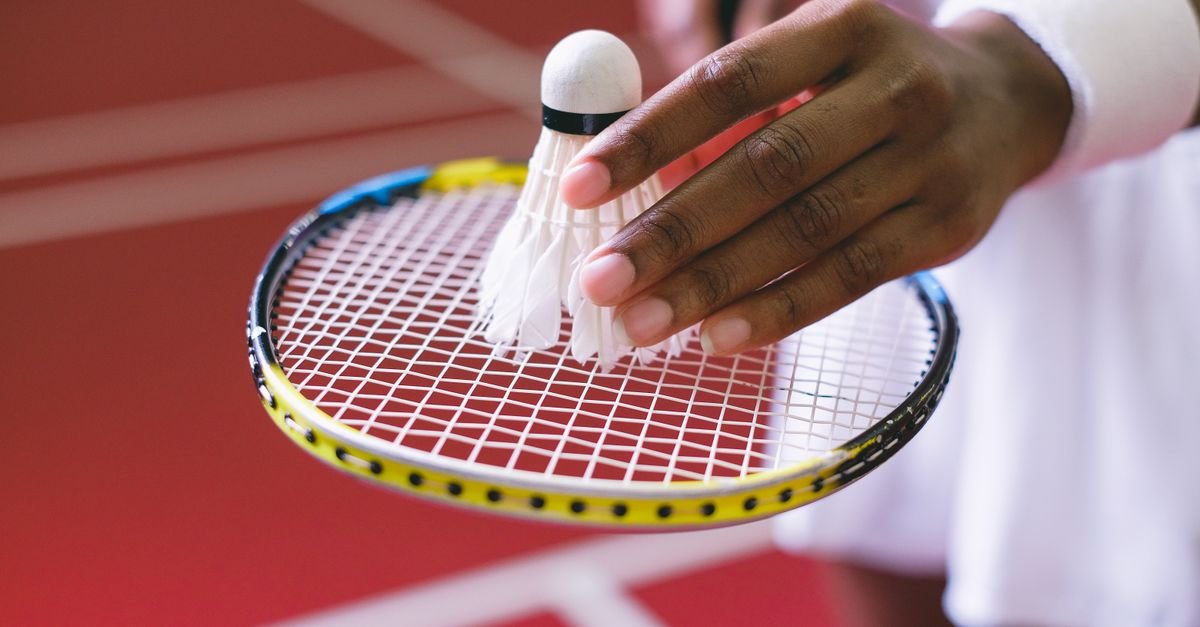
Table tennis, pickleball, badminton, and tennis are coordination classrooms disguised as games. They force you to track a moving object, time your swing, and adjust your body position. You do not need to play competitively. A casual rally with a friend can sharpen your visual-motor skills and make exercise feel like play.
Video Games and Coordination: Tool or Trap?
Some video games, especially rhythm games and motion-based games, can challenge reaction time and hand-eye coordination. Used in moderation, they can be a fun supplement. But they should not replace real-world movement. Think of them as dessert, not the main meal. Also, watch for eye strain and long sedentary stretches.
Fine-Motor Exercises for Precision
Hand-eye coordination is not only about big throws and catches. It also lives in your fingertips. Fine-motor drills improve precision, finger control, and the tiny adjustments that make tasks like writing, sewing, or using tools feel smoother.
Coin Pickups and Finger Taps
Place a handful of coins on a table. Pick them up one at a time and drop them into a jar. Speed up gradually, but keep it accurate. Next, tap your thumb to each fingertip in sequence, then reverse the order. These drills are simple, portable, and surprisingly effective for improving dexterity.
Threading, Sorting, and Dexterity Drills
Thread beads onto a string, sort small objects by color, or build with small blocks. For a practical twist, try buttoning a shirt or tying shoelaces while looking at your hands. These tasks train the eyes and fingers to work as a team. They are especially useful for kids and anyone recovering from a hand injury, but adults can benefit too.
Coordination Exercises for Kids
Kids learn best through play, so keep it light. Balloon volleyball is a winner because the balloon floats and gives children time to react. Catch-and-toss with a soft ball, obstacle courses, hopscotch, and throwing socks into a laundry basket all build coordination without feeling like homework. Keep sessions short, celebrate effort, and let them switch activities when focus fades.
Coordination Exercises for Older Adults
Coordination practice is valuable at every age. Seated ball tosses with a soft ball, slow hand-to-hand passing, scarf juggling, and gentle tai chi movements can support reaction time and control. Safety comes first: use a stable chair, clear the floor, and avoid fast movements if balance is a concern. If you have health conditions or a history of falls, check with a healthcare professional before adding new exercises.
How to Build a Weekly Hand-Eye Coordination Routine
Aim for three to five short sessions per week. Ten to twenty minutes is plenty. Mix one gross-motor drill, like wall ball, with one fine-motor drill, like coin pickups. Keep a simple schedule: Monday and Wednesday for ball drills, Friday for racket play or juggling, and a few minutes of finger drills on other days. The best routine is the one you will actually repeat.
Sample 20-Minute Session
- Warm-up: Wrist circles, shoulder rolls, and light hand-to-hand tosses for 3 minutes.
- Ball drill: Wall ball or bounce-and-catch for 7 minutes.
- Fine-motor drill: Coin pickups or finger taps for 5 minutes.
- Target challenge: Soft throws at a wall target for 3 minutes.
- Cool-down: Slow stretching and relaxed breathing for 2 minutes.
Track Progress Without Overcomplicating It
Keep a simple log. Note what you did and how it felt. Once a week, test yourself: how many catches in a row? How many clean target hits? How many coins picked up in thirty seconds? You do not need a spreadsheet. A notebook or phone note works fine. Progress is often small, but small progress adds up.
Common Mistakes That Slow Progress
The biggest mistake is starting too hard. If you are missing half your catches and feeling frustrated, scale back. Another common error is practicing only with your dominant hand. Your weaker side needs attention too. Skipping warm-ups, practicing when exhausted, and ignoring your eyes are other speed bumps. And remember: coordination practice should feel challenging, not painful.
When to Seek Professional Advice
If coordination problems are persistent, worsening, or paired with pain, dizziness, vision changes, or weakness, talk to a healthcare professional. Children with significant delays in motor skills may benefit from an occupational therapist or pediatric assessment. Adults recovering from injury or neurological conditions should get guidance tailored to their needs. Exercise is powerful, but it is not a substitute for medical advice.
Conclusion
Better hand-eye coordination is not a mysterious gift reserved for athletes and surgeons. It is a trainable system built through repetition, play, and small challenges. Start with simple ball drills, add a few fine-motor exercises, and keep sessions short enough to enjoy. Your eyes, brain, and hands are already talking to each other. With a little practice, you can make that conversation sharper, faster, and more reliable. Grab a tennis ball, find a clear wall, and give your coordination a chance to surprise you.
FAQs
How fast can I improve hand-eye coordination?
Most people notice small improvements within two to four weeks of consistent practice. Bigger changes often show up after six to eight weeks. Progress depends on your starting point, how often you practice, and what kind of drills you choose.
Can video games improve hand-eye coordination?
Some games can help with reaction time and visual tracking, especially motion-based or rhythm games. However, they work best as a supplement to real-world movement. Keep gaming sessions moderate and balance them with physical activity.
What is the best exercise for hand-eye coordination?
There is no single best exercise. Ball bounce and catch drills, wall ball, juggling, and racket sports are all excellent. The best choice is the one you will practice consistently and progress safely.
Can older adults improve hand-eye coordination?
Yes. Coordination is trainable at any age. Seated ball tosses, scarf juggling, gentle tai chi, and fine-motor tasks can help. If you have balance concerns or health conditions, check with a healthcare professional first.
How often should I practice coordination exercises?
Aim for three to five short sessions per week. Ten to twenty minutes per session is enough for most people. Daily practice can work if sessions are light and varied, but recovery and consistency matter more than intensity.