Table of Contents
- Do You Need a Personal Trainer to Get Started?
- The Short Answer: It Depends on Your Goals
- What a Personal Trainer Actually Does
- When a Personal Trainer Is Worth It
- When You Can Start Without a Trainer
- The Real Cost of Skipping a Trainer
- How to Get Started Without a Personal Trainer
- What to Look for in a Personal Trainer
- Solo vs. Trainer: A Quick Comparison
- Hybrid Approach: The Best of Both Worlds
- How to Decide if You Need a Personal Trainer Today
- Common Myths About Personal Trainers
- The Mental Game: Confidence, Consistency, and Momentum
- Budget-Friendly Alternatives to One-on-One Training
- Conclusion: Your Starting Line, Your Rules
- FAQs
Do You Need a Personal Trainer to Get Started?
So you’ve decided to get fit. Maybe you bought new sneakers, downloaded a workout app, or finally cleared a corner in your garage for a dumbbell or two. Now the big question hits you: do you really need a personal trainer to get started? It’s a fair question, and it’s one that thousands of people ask every single day. The fitness industry can feel like a maze, and a trainer seems like the expensive, knowledgeable guide who can lead you through it. But is that guide necessary, or can you find your own way?
Here’s the truth: you don’t need a personal trainer to start moving. You need a plan, a little courage, and some consistency. But a trainer can be the difference between wandering in circles and hitting your goals faster. Think of it like learning to drive. You can teach yourself in an empty parking lot, but a good instructor helps you avoid bad habits, fender benders, and unnecessary stress. So let’s break it down step by step.
The Short Answer: It Depends on Your Goals
There’s no universal yes or no here. The answer depends on your goals, your experience, your budget, and your personality. If you want to lose ten pounds, feel less stiff, and build a basic habit of walking, you can absolutely start solo. If you want to deadlift twice your body weight, recover from a knee injury, or train for a marathon, a personal trainer becomes far more valuable.
Imagine you want to bake a simple loaf of bread. You can follow a recipe online and get decent results. But if you want to open a bakery, you’d want a mentor who knows dough hydration, oven temperatures, and troubleshooting. Fitness works the same way. The more specific and complex your goal, the more a trainer earns their keep.
What a Personal Trainer Actually Does
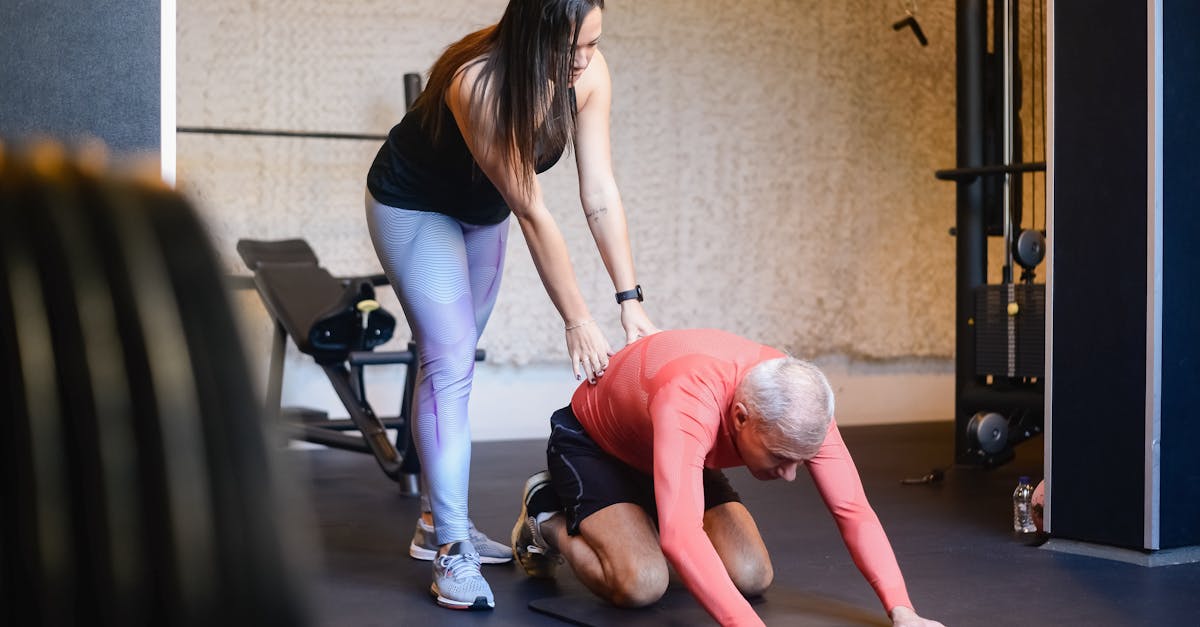
Many people picture a personal trainer as a drill sergeant with a clipboard. That’s a small slice of the job. A good trainer wears many hats: coach, teacher, cheerleader, safety officer, and strategist. They assess your movement, design a program, adjust exercises for your body, and keep you accountable. They also know when to push you and when to back off.
More Than Someone Yelling “One More Rep”
A skilled trainer doesn’t just count reps. They watch your knees, your spine, your breathing, and your tempo. They notice that your left shoulder hikes up when you press overhead, or that your hips shift when you squat. Those tiny details matter. Ignore them long enough, and you get nagging pain. Fix them early, and you build a body that moves well for decades.
They also teach you how to use equipment safely. That matters if you’re nervous about walking into a gym for the first time. A trainer can show you how to adjust a bench, load a barbell, or set up a cable machine without feeling like everyone is staring at you.
The Accountability Factor
Let’s be honest: motivation is a fickle friend. It shows up on Monday morning and disappears by Wednesday afternoon. A trainer adds a layer of accountability. When someone is waiting for you at 6 a.m., you’re far less likely to hit snooze. That external pressure can carry you through the early weeks when your habits are still fragile.
Think of a trainer as a gym buddy who actually knows what they’re doing. They text you, check your progress, and celebrate your wins. That social connection is powerful. It turns exercise from a lonely chore into a shared mission.
When a Personal Trainer Is Worth It
Not everyone needs a trainer, but some situations make hiring one a smart investment. If any of these sound like you, a trainer could save you time, money, and frustration in the long run.
You’re Brand New to Exercise
If you’ve never set foot in a gym or picked up a weight, a trainer can be a game-changer. They’ll teach you the basics: how to warm up, how to brace your core, how to breathe, and how to progress safely. Without that foundation, you might spend months doing exercises that feel hard but don’t actually move you toward your goal.
Plus, starting with a trainer reduces the risk of injury. You don’t know what you don’t know. A trainer spots the mistakes you can’t see in the mirror.
You Have a Specific Goal With a Deadline
Training for a wedding, a marathon, a powerlifting meet, or a military fitness test? A trainer can build a periodized plan that peaks at the right time. They know how to balance intensity, recovery, and volume. Trying to figure that out alone is like assembling IKEA furniture without instructions. You might finish, but you’ll probably have extra screws and a wobbly shelf.
You’re Stuck in a Plateau
You’ve been working out for months, but the scale won’t budge and your lifts are stuck. A trainer can diagnose the problem. Maybe you need more progressive overload. Maybe you need to eat more protein. Maybe you need to sleep more. They bring an outside perspective that you can’t get from staring at your own workout log.
You’ve Been Injured or Have Health Concerns
If you have a history of back pain, knee issues, heart disease, diabetes, or any other medical condition, a trainer with clinical experience is worth their weight in gold. They can work with your doctor or physical therapist to design a safe program. Never self-prescribe exercises for an injury. That’s like trying to fix a leaky pipe with duct tape and hope.
When You Can Start Without a Trainer
On the flip side, plenty of people build impressive fitness without ever hiring a personal trainer. If any of these describe you, you can confidently start solo.
You Just Need Basic Movement
If your goal is to feel better, move more, and improve your general health, you don’t need a trainer. Walking, jogging, cycling, swimming, bodyweight exercises, and beginner yoga can all be done at home or outside. The best exercise is the one you’ll actually do consistently. You don’t need a coach to go for a walk around the block.
You’re Self-Motivated and Research-Savvy
Some people thrive on independence. If you enjoy reading about training principles, watching form videos, and tracking your progress, you can absolutely teach yourself. The internet is full of free, high-quality information. Just make sure you’re learning from credible sources, not random influencers with six-pack abs and zero credentials.
Your Budget Is Tight
Personal training can cost anywhere from $40 to $150 per session, depending on where you live. That adds up fast. If money is tight, you can get great results with a $10 gym membership and a free beginner program. Don’t let the perfect solution stop you from starting with the affordable one.
The Real Cost of Skipping a Trainer
Skipping a trainer saves money upfront, but it can cost you in other ways. Let’s look at the hidden price tag.
Injury Risk
Bad form is a silent thief. It steals your progress, your confidence, and sometimes your ability to train at all. A rounded back during deadlifts, a collapsing knee during squats, or an overarched lower back during overhead presses can lead to strains, sprains, and worse. A trainer corrects those mistakes before they become chronic.
Wasted Time and Effort
You can spend six months doing a random mix of exercises you found on social media and see almost no change. A trainer designs a program that builds on itself week after week. That’s called progressive overload, and it’s the engine of every successful fitness plan. Without it, you’re just spinning your wheels.
How to Get Started Without a Personal Trainer
If you decide to fly solo, you still need a roadmap. Here’s how to begin safely and effectively.
Start With Walking, Bodyweight, and Basic Weights
You don’t need a fancy gym. Start with 20 to 30 minutes of walking most days. Add bodyweight exercises like squats, push-ups, lunges, planks, and glute bridges. Once those feel easy, grab a set of dumbbells or resistance bands. Master the basics before you chase complicated routines.
Follow a Beginner-Friendly Program
Find a reputable beginner program that lasts 8 to 12 weeks. Look for one that includes strength training two to three times per week, some cardio, and rest days. Programs like Starting Strength, StrongLifts 5×5, or any beginner plan from a certified coach can work well. The key is to follow it consistently, not switch plans every two weeks.
Use Apps and Online Videos Wisely
Apps like Nike Training Club, FitOn, and Peloton offer free workouts. YouTube has thousands of follow-along videos. But be careful: not every instructor is qualified. Look for trainers with certifications like NASM, ACE, or NSCA. And remember, a video can’t see your form. Film yourself from the side to check your posture, or ask a knowledgeable friend to watch.
What to Look for in a Personal Trainer
If you do hire a trainer, choose wisely. The wrong fit can ruin your experience and your wallet.
Certification and Experience
Check for a nationally recognized certification such as NASM, ACE, NSCA, or ACSM. Ask about their experience with clients like you. A trainer who mostly works with athletes might not be the best fit for a 55-year-old beginner with knee pain.
Personality and Communication Style
Do you want a gentle cheerleader or a tough coach? Neither is wrong, but you need to know what motivates you. A good trainer listens, explains the “why” behind exercises, and adapts to your feedback. If they ignore your questions or make you feel small, walk away.
Specialization
Some trainers specialize in weight loss, others in strength, rehabilitation, prenatal fitness, or senior mobility. Match their specialty to your goal. A jack-of-all-trades might be fine for general fitness, but a specialist can accelerate your progress.
Trial Sessions and Vibe Checks
Always do a trial session or two before committing. Pay attention to how they assess you, how they correct your form, and how you feel afterward. Trust your gut. If the vibe is off, keep looking. There are plenty of trainers out there.
Solo vs. Trainer: A Quick Comparison
- Cost: Solo is cheap or free. Trainer costs $40 to $150 per session.
- Accountability: Solo relies on self-discipline. Trainer adds external accountability.
- Form and Safety: Solo requires self-education. Trainer provides real-time feedback.
- Program Design: Solo means you research and plan. Trainer customizes everything.
- Flexibility: Solo is fully flexible. Trainer works around scheduled sessions.
- Results: Solo can work well with consistency. Trainer can speed up progress and reduce injury risk.
Hybrid Approach: The Best of Both Worlds
You don’t have to choose between all or nothing. A hybrid approach works beautifully for many people. Hire a trainer for a few sessions to learn proper form and get a customized program. Then go solo for a few months, checking in with the trainer once a month for adjustments. This saves money while still giving you expert guidance.
Or use online coaching, where a trainer designs your plan and reviews your videos remotely. It’s more affordable than in-person sessions and still provides accountability and personalized feedback.
How to Decide if You Need a Personal Trainer Today
Ask yourself these questions:
- Have I been consistent with exercise for at least three months on my own?
- Do I know how to perform basic lifts with proper form?
- Am I seeing progress toward my goals?
- Do I have any injuries or health conditions that require careful programming?
- Can I afford a trainer without stressing my budget?
- Would I actually show up for scheduled sessions?
If you answered “no” to the first three or “yes” to the last three, a trainer could be a smart move. If you answered “yes” to the first three and “no” to the last three, you’re probably fine on your own.
Common Myths About Personal Trainers
Myth 1: Trainers Are Only for Rich People
Personal training is a luxury for some, but it’s not just for the wealthy. Many gyms offer affordable small group training, and online coaching can cost less than a streaming subscription. You can also hire a trainer for just a few sessions to learn the ropes.
Myth 2: Trainers Will Make You Bulky
Bulking up requires a calorie surplus, heavy lifting, and often years of dedicated effort. A good trainer will program according to your goals. If you want to get lean and toned, they’ll help you do that. You won’t accidentally turn into a bodybuilder.
Myth 3: You’ll Become Dependent Forever
The goal of a good trainer is to make themselves unnecessary. They teach you how to train, how to eat, and how to listen to your body. After a few months, many clients feel confident enough to fly solo. Think of it as training wheels, not a permanent crutch.
The Mental Game: Confidence, Consistency, and Momentum
Fitness is 50% physical and 50% mental. A trainer can help with both. They build your confidence by teaching you what you’re capable of. They keep you consistent by showing up when you don’t feel like it. And they create momentum by stacking small wins week after week.
That mental shift is huge. When you start believing you can do hard things in the gym, you start believing you can do hard things in life. A trainer can be the catalyst for that transformation.
Budget-Friendly Alternatives to One-on-One Training
If one-on-one training is out of reach, don’t give up. Try these options.
Small Group Training
Small group sessions usually have 4 to 10 people. You get personalized attention at a fraction of the cost. Plus, the group energy can be motivating.
Online Coaching
Online coaches design programs, review your form videos, and check in weekly. It’s flexible, affordable, and perfect for self-starters who just need expert guidance.
Community Classes
Your local community center, YMCA, or park district often offers affordable fitness classes. You won’t get one-on-one attention, but you’ll get structure, social connection, and a qualified instructor.
Conclusion: Your Starting Line, Your Rules
So, do you need a personal trainer to get started? No, you don’t. You need a decision, a plan, and the willingness to show up. But a trainer can make the journey smoother, safer, and faster. They’re not a magic pill, and they’re not a requirement. They’re a tool, like a good pair of running shoes or a smartwatch.
If you’re new, injured, stuck, or chasing a big goal, hiring a trainer is a smart investment. If you’re motivated, healthy, and on a tight budget, start solo and see how far you get. You can always bring in a coach later. The most important thing is to start. Your future self will thank you.
FAQs
Do I need a personal trainer if I’m overweight?
Not necessarily. You can start with walking, swimming, and basic strength training on your own. However, a trainer can help you avoid joint pain, design a sustainable plan, and keep you accountable. If you have health conditions like diabetes or high blood pressure, check with your doctor first.
How many sessions do I need to see results?
Most people see meaningful changes in 6 to 12 weeks with 2 to 3 sessions per week. But results depend on your diet, sleep, consistency, and genetics. A trainer can help you maximize those factors.
Can I get started with just YouTube videos?
Yes, many people do. Just choose videos from certified trainers, start with beginner-friendly routines, and film yourself to check your form. Be wary of extreme workouts that promise fast results.
What if I can’t afford a trainer?
Try small group training, online coaching, community classes, or a few one-off sessions to learn the basics. You can also barter with a friend who’s a trainer, or use free resources from reputable fitness organizations.
How do I know if a trainer is right for me?
Do a trial session. Ask about their certifications, experience, and training style. Pay attention to how they communicate and whether they listen to your concerns. If you feel comfortable, safe, and motivated, that’s a good sign.