Table of Contents
- Introduction: Why Your Desk Is Quietly Wrecking Your Body
- The Hidden Toll of Sitting All Day
- Why Micro-Breaks Beat Marathon Workouts
- Neck and Shoulder Rescues
- The Chin Tuck: Your Secret Weapon Against Tech Neck
- Wrist and Finger Fixes for Typing Warriors
- Spinal Reset Moves You Can Do in Your Chair
- The Seated Twist: Unlocking a Stiff Back
- Lower Body Wake-Up Calls
- Standing Desk? These Moves Are for You
- Don’t Forget Your Eyes
- Your Desk Setup Matters More Than You Think
- How to Actually Build a Desk Exercise Habit
- Common Mistakes That Sabotage Your Progress
- Conclusion: Small Movements, Massive Payoff
- FAQs About Desk Break Exercises
Desk Break Exercises for Long Workdays: Your Complete Guide to Staying Loose, Focused, and Pain-Free
Introduction: Why Your Desk Is Quietly Wrecking Your Body
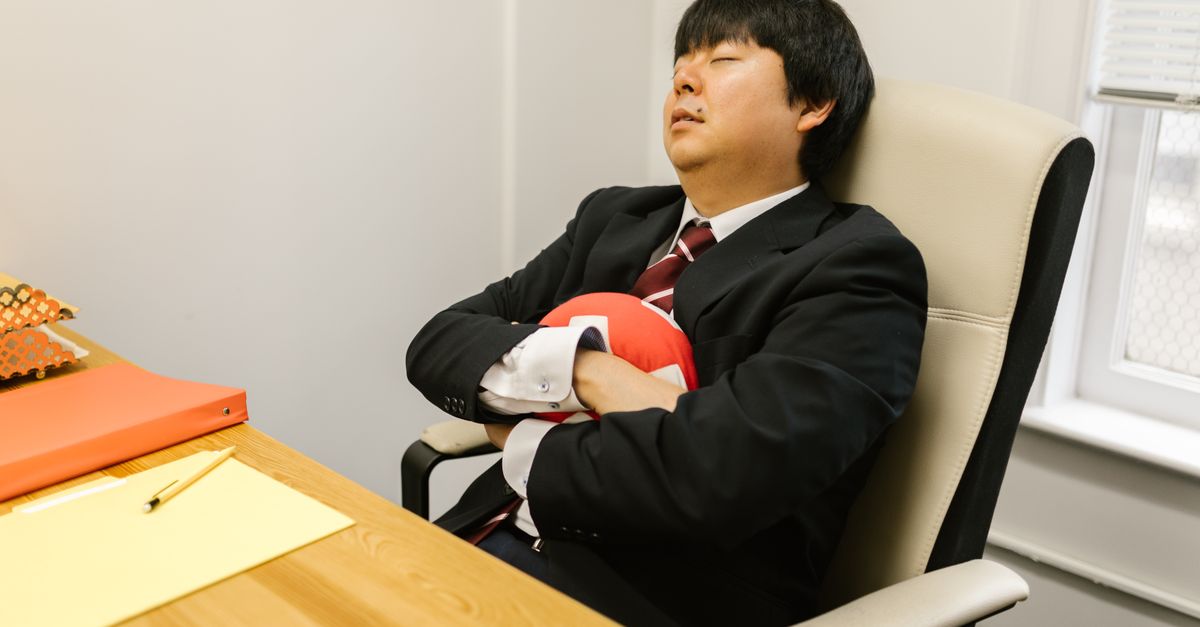
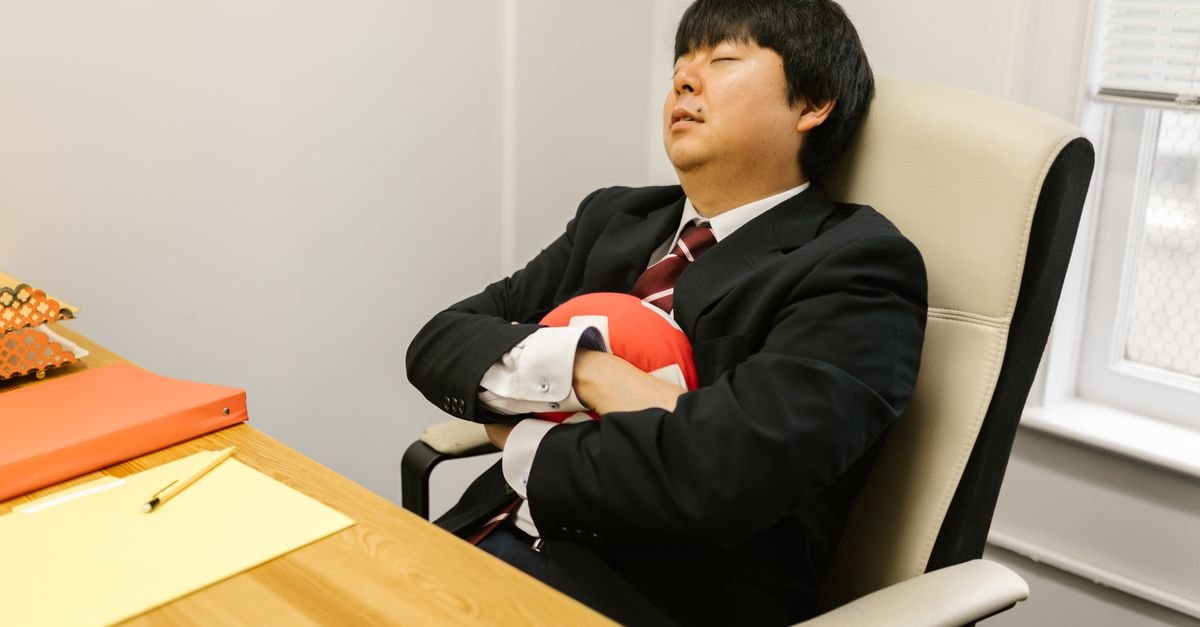
Picture this: you sit down at 9 a.m. with your coffee, ready to conquer the day. Fast forward eight hours, and you’re hunched over like a question mark, your neck is screaming, your lower back feels like it’s been tied in a knot, and your wrists are begging for mercy. Sound familiar?
Here’s the thing—your body wasn’t designed to sit in one position for hours on end. It was built to move, stretch, twist, and bend. But modern work demands we park ourselves in front of screens for the better part of our waking hours. The result? Stiffness, aches, and a nagging feeling that you’re slowly turning into a piece of office furniture.
The good news is you don’t need a gym membership or an hour of free time to fix this. What you need is a handful of smart, targeted exercises you can sneak into your workday—no fancy equipment required. In this guide, I’m going to walk you through the best desk break exercises for long workdays, explain why they work, and show you exactly how to do them without looking like you’re training for the Olympics in the middle of an open-plan office.
Let’s dive in.
The Hidden Toll of Sitting All Day
Let’s get one thing straight: sitting isn’t evil. Your body actually likes a good lounge on the couch. The problem is prolonged sitting without breaks.
When you sit for hours, several things happen at once. Your hip flexors—the muscles at the front of your hips—shorten and tighten. Your glutes basically go to sleep. Your spine gets compressed, and your neck creeps forward as you stare at your screen. Meanwhile, blood flow slows down, especially in your legs, which can leave you feeling sluggish and foggy.
But it’s not just about muscles and joints. Research has linked excessive sitting to a higher risk of heart disease, diabetes, and even anxiety. That’s a big deal for something as innocent as answering emails.
Think of your body like a bicycle chain. Leave it out in the rain without moving it, and it rusts. Move it regularly, and it stays smooth and functional. Your joints and muscles work the same way—they need consistent motion to stay healthy.
Why Micro-Breaks Beat Marathon Workouts
You might be thinking, “I’ll just hit the gym after work and undo all this damage.” I wish it were that simple, but here’s the truth: a single workout at the end of the day doesn’t fully counteract eight hours of stillness.
What actually works is breaking up your sitting time with short, frequent movement snacks. We’re talking 2-3 minutes every hour. That’s it. These micro-breaks keep your circulation flowing, prevent stiffness from setting in, and give your brain a quick reset so you can focus better when you return to your tasks.
Think of it like brushing your teeth. You don’t brush once a week for an hour—you do it daily in small doses. Your body craves the same consistency.
Neck and Shoulder Rescues
Your neck and shoulders carry the brunt of desk work. Hours of staring at a screen pulls your head forward, which puts extra strain on your cervical spine. Meanwhile, your shoulders creep up toward your ears like they’re trying to hide.
Here’s a simple routine to release that tension. Sit tall in your chair with your feet flat on the floor. Slowly tilt your right ear toward your right shoulder, feeling the stretch along the left side of your neck. Hold for 20 seconds, then switch sides. Next, roll your shoulders forward five times, then backward five times, making big, slow circles. Finally, squeeze your shoulder blades together like you’re trying to hold a pencil between them, hold for five seconds, and release. Repeat ten times.
Do this once an hour, and you’ll notice a massive difference by the end of the day.
The Chin Tuck: Your Secret Weapon Against Tech Neck
If there’s one exercise I’d tattoo on every desk worker’s brain, it’s the chin tuck. This tiny movement directly counteracts the forward head posture that causes so many headaches and neck issues.
Here’s how it works. Sit up straight and look forward. Without tilting your head down, gently pull your chin straight back, like you’re trying to make a double chin. You should feel a stretch at the base of your skull and a gentle lengthening through the back of your neck. Hold for five seconds, then release. Do ten reps.
It looks a little silly, I’ll admit. But it’s one of the most effective ways to reset your neck posture. Do it every time you finish a meeting or send a big email, and your neck will thank you.
Wrist and Finger Fixes for Typing Warriors
Ever notice your hands feeling cramped or tingly after a long day of typing? That’s your wrists and fingers crying out for relief. Repetitive strain injuries like carpal tunnel syndrome are no joke, and they often start with small, ignored symptoms.
Try this sequence. Extend your right arm forward with your palm facing up. Use your left hand to gently pull your fingers down toward the floor, stretching your wrist and forearm. Hold for 15 seconds. Then flip your hand so your palm faces down and gently pull your fingers toward you. Hold again. Switch sides.
Next, make a fist, then slowly open your fingers as wide as you can, spreading them apart. Repeat ten times. Finally, shake your hands out like you’re flicking water off them. It’s simple, but it works wonders for keeping your hands flexible and pain-free.
Spinal Reset Moves You Can Do in Your Chair
Your spine loves movement, especially gentle rotation and extension. Sitting compresses your vertebrae and locks your back into one position, which is why you feel stiff by mid-afternoon.
Start with a simple seated cat-cow. Place your hands on your knees. Inhale as you arch your back and lift your chest, looking slightly up. Exhale as you round your spine, tucking your chin toward your chest. Repeat ten times, moving slowly and breathing deeply.
Then try a seated side bend. Reach your right arm overhead and lean gently to the left, feeling the stretch along your right side. Hold for 15 seconds, then switch. This move opens up your ribcage and relieves tension that builds up from hunching over your keyboard.
The Seated Twist: Unlocking a Stiff Back
Spinal rotation is one of the most neglected movements in desk workers’ routines. Your spine is designed to twist, and when you never use that range of motion, it stiffens up fast.
Here’s how to do a seated twist properly. Sit tall with your feet flat. Place your right hand on the back of your chair and your left hand on your right thigh. Slowly twist your torso to the right, keeping your hips facing forward. Hold for 15-20 seconds, breathing deeply. Return to center and repeat on the left side. Do three rounds on each side.
You’ll feel your mid-back and obliques wake up immediately. It’s like giving your spine a long-overdue oil change.
Lower Body Wake-Up Calls
Your legs and glutes bear the silent burden of sitting. When you’re seated, your hip flexors shorten, your glutes switch off, and your circulation slows. Here’s how to wake everything back up.
Start with seated leg extensions. Sit up straight and extend your right leg until it’s parallel to the floor. Hold for five seconds, squeezing your quad, then lower slowly. Do ten reps per leg. Next, try seated glute squeezes. Simply clench your glutes as hard as you can for five seconds, then release. Do 15 reps. It sounds easy, but you’ll feel it.
When you can, stand up and do a few calf raises. Rise onto your toes, hold for two seconds, then lower. Repeat 15 times. This pumps blood back up from your legs to your heart and helps prevent that heavy, swollen feeling by the end of the day.
Standing Desk? These Moves Are for You
If you’ve got a standing desk, congratulations—you’re already ahead of the game. But standing still for hours isn’t much better than sitting still. You need movement, not just a change of position.
While standing, try hamstring curls. Hold onto your desk for balance and curl your right heel toward your glutes. Do 15 reps per leg. Then move into standing hip flexor stretches. Step your right foot back, bend your left knee, and gently push your hips forward until you feel a stretch at the front of your right hip. Hold for 20 seconds per side.
You can also do standing calf stretches and even a few bodyweight squats if you’ve got space. Nobody’s judging—and if they are, they’re probably jealous of your energy.
Don’t Forget Your Eyes
Your eyes are muscles too, and staring at a screen for hours strains them in ways you might not notice until the headaches hit. The fix is ridiculously simple: the 20-20-20 rule.
Every 20 minutes, look at something 20 feet away for 20 seconds. That’s it. This gives your eye muscles a chance to relax and reset. You can also gently cup your palms over your closed eyes for 30 seconds to soothe them. And don’t forget to blink—seriously, we blink about 60% less when staring at screens, which leads to dry, irritated eyes.
Your Desk Setup Matters More Than You Think
You can do all the exercises in the world, but if your desk setup is a disaster, you’re fighting an uphill battle. Take five minutes to audit your workspace.
Your monitor should be at eye level, about an arm’s length away. Your chair should support your lower back, and your feet should rest flat on the floor—or on a footrest if you’re on the shorter side. Your keyboard and mouse should be close enough that you’re not reaching for them.
Think of your desk like a pair of shoes. If they don’t fit right, no amount of stretching will fix the blisters. Get the foundation right, and everything else becomes easier.
How to Actually Build a Desk Exercise Habit
Let’s be honest—knowing what to do and actually doing it are two very different things. So here’s how to make it stick.
First, attach your exercises to existing triggers. Every time you finish a meeting, refill your water bottle, or hit a natural stopping point, do one quick stretch. Second, set hourly reminders on your phone or calendar. Third, keep it stupidly simple—pick three exercises and rotate them. You don’t need a 20-move routine; you need consistency.
Finally, give yourself grace. Missed a day? No big deal. Just pick it back up. Habits are built on repetition, not perfection.
Common Mistakes That Sabotage Your Progress
Before we wrap up, let’s talk about what not to do.
Mistake number one: going too hard. These are gentle resets, not workouts. If you’re straining or holding your breath, dial it back. Mistake number two: holding stretches for too short a time. Less than 15 seconds doesn’t give your muscles time to relax. Mistake number three: ignoring pain. Discomfort from stretching is fine; sharp pain is not. Stop and reassess if something hurts.
And mistake number four: relying on a single long stretch session. Remember, frequency beats duration. A little movement every hour will always beat one big stretch at 5 p.m.
Conclusion: Small Movements, Massive Payoff
Your body isn’t asking for much. It just wants to move. A few minutes here and there, sprinkled throughout your workday, can transform how you feel by the time you clock out. No more stiff necks, aching backs, or foggy afternoons.
The exercises in this guide are simple, quick, and effective. Pick a handful that resonate with you, set some reminders, and start small. Your future self—the one who isn’t wincing when they stand up from their chair—will thank you.
Remember: you don’t have to be perfect. You just have to move. So the next time your neck starts complaining or your back feels like a plank of wood, take two minutes, do a few stretches, and get back to it. Your body will reward you in focus, energy, and comfort.
FAQs About Desk Break Exercises
How often should I take desk breaks?
Aim for a 2-3 minute movement break every hour. If that’s not possible, at least every 90 minutes. The key is consistency—short, frequent breaks beat long, rare ones.
Can desk exercises actually replace a workout?
No, they’re not a substitute for regular exercise. Think of them as maintenance—they prevent stiffness and pain during the workday, but you still need cardio and strength training for overall health.
What if I feel awkward doing these in an open office?
Start with subtle moves like chin tucks, glute squeezes, and ankle circles—nobody will notice. For bigger stretches, use private moments like bathroom breaks or the elevator lobby.
Is it better to stand or sit while working?
Ideally, you’d alternate between the two. Standing all day comes with its own issues, like foot and lower back fatigue. The magic words are “move often”—whatever position you’re in.
What’s the single best desk exercise?
If I had to pick one, it’s the chin tuck. It directly counteracts forward head posture, which is the root cause of so many desk-related aches. Pair it with a seated twist, and you’ve got a winning combo.