Table of Contents
- Core Exercises That Go Beyond Crunches
- Why Your Core Is More Than a Six-Pack
- The Anatomy of a Strong Core
- The Deep Muscles That Matter
- What Crunches Miss
- How to Train Your Core Smarter
- Bracing vs. Crunching
- Breathing Is Part of the Work
- 15 Core Exercises That Go Beyond Crunches
- 1. Dead Bug
- 2. Bird Dog
- 3. Plank
- 4. Side Plank
- 5. Hollow Body Hold
- 6. Mountain Climber
- 7. Pallof Press
- 8. Farmer’s Carry
- 9. Stability Ball Rollout
- 10. Turkish Get-Up
- 11. Hanging Knee Raise
- 12. Bear Crawl
- 13. Glute Bridge March
- 14. Copenhagen Plank
- 15. Suitcase Carry
- How to Build a Core Workout That Actually Works
- Sample 15-Minute Routine
- Common Core Training Mistakes to Avoid
- How Often Should You Train Your Core?
- Core Exercises for Different Goals
- Conclusion
- FAQs
Core Exercises That Go Beyond Crunches
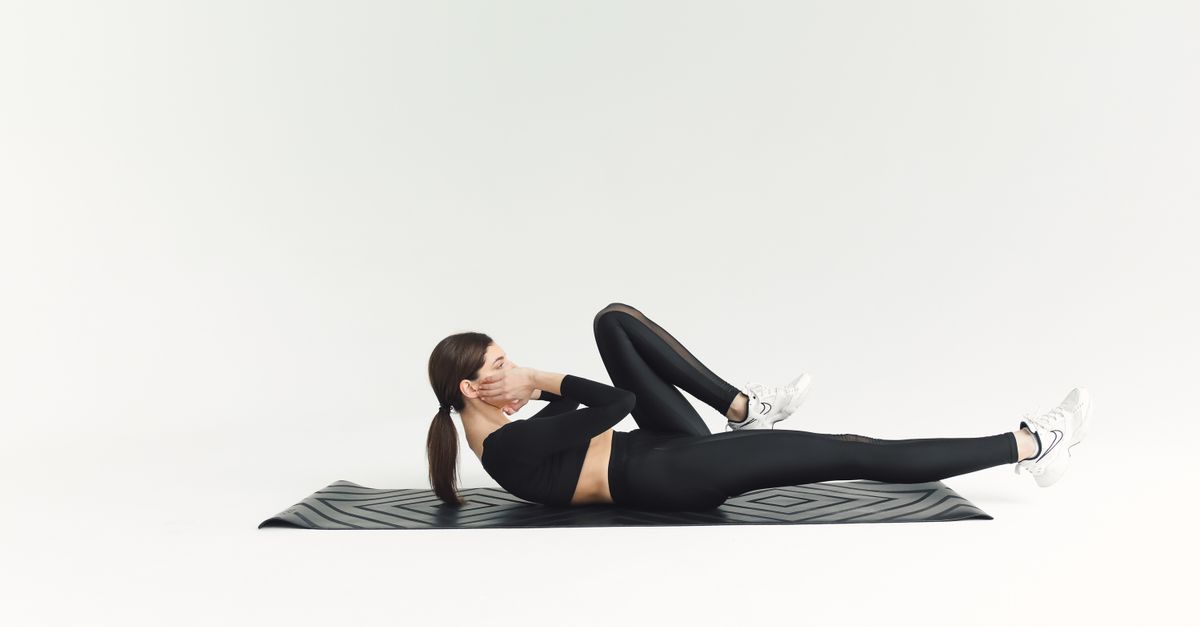
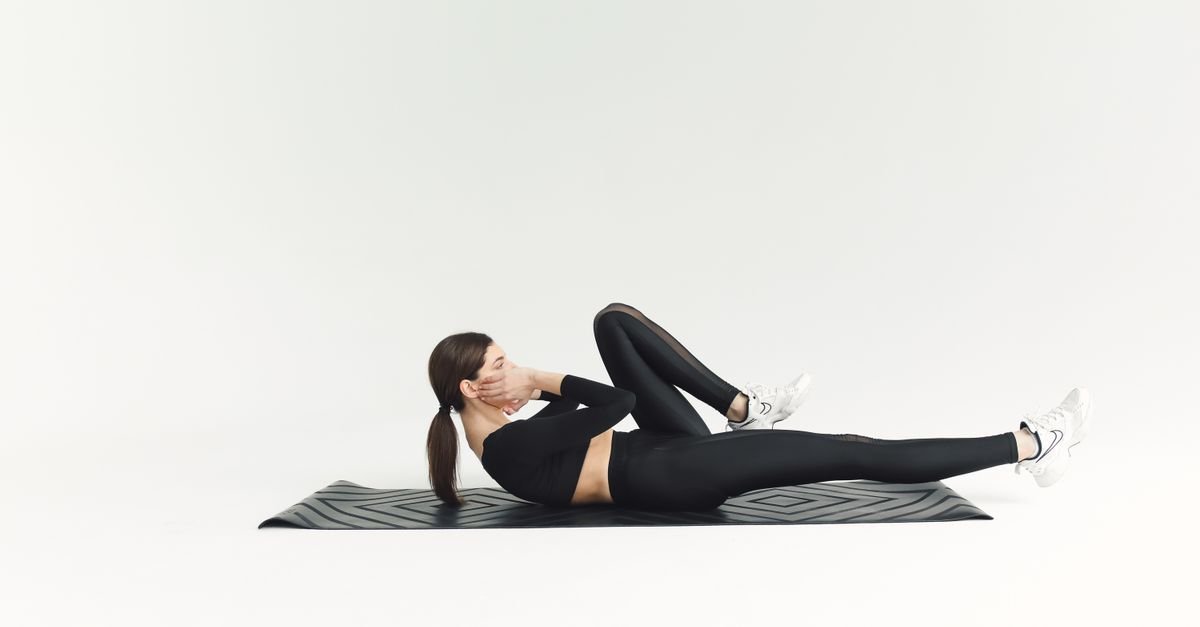
Let’s be honest: crunches get all the glory. They’re the move you see in every old-school workout video, the one your gym teacher loved, and the one that promises a six-pack if you just do enough of them. But here’s the thing—your core is not a single muscle, and it’s definitely not just about looking good in a swimsuit. Your core is the bridge between your upper and lower body. It’s the engine that transfers force, protects your spine, and keeps you steady when life tries to knock you off balance.
If you’ve been doing crunches until your neck hurts and your lower back aches, you’re not alone. The good news? There’s a whole world of core exercises that go beyond crunches. They’re smarter, more functional, and honestly, a lot more interesting. Think of crunches as using a teaspoon to dig a swimming pool. You might move a little dirt, but you’re missing the bigger picture.
In this article, we’re going to explore why your core is more than a six-pack, what crunches actually miss, and 15 core exercises that build real strength. We’ll also cover how to put them together, how often to train, and the mistakes that keep people stuck. Ready to upgrade your midsection? Let’s dig in.
Why Your Core Is More Than a Six-Pack
When most people hear “core,” they picture abs. Specifically, the rectus abdominis—the muscle that looks like a washboard when you’re lean enough. But your core is a three-dimensional cylinder of muscles that wraps around your spine, hips, and pelvis. It includes your obliques, transverse abdominis, erector spinae, diaphragm, pelvic floor, and even your glutes and lats. That’s a lot more than a six-pack.
Your core has one main job: to keep your spine safe while your arms and legs do the heavy lifting. Whether you’re picking up a toddler, swinging a golf club, or sprinting for the bus, your core is working behind the scenes. If it’s weak, other muscles compensate. That’s when you get low back pain, poor posture, and injuries that seem to come out of nowhere.
So, why do crunches get so much attention? Because they’re easy to count. People love reps. But your core doesn’t care about reps. It cares about stability, control, and endurance. Crunches only train one tiny slice of the pie. If you want a core that performs, you need to train it like the complex system it is.
The Anatomy of a Strong Core
Think of your core as a house. Your spine is the central beam. Your deep abdominal muscles are the foundation. Your obliques are the walls that resist twisting. Your glutes and hip flexors are the support beams that connect everything. If one part is weak, the whole house shakes.
The transverse abdominis is your deepest abdominal muscle. It wraps around your waist like a corset. When it contracts, it increases intra-abdominal pressure, which stabilizes your spine before you move. The multifidus is a small but mighty muscle that runs along your spine. It helps with fine-tuning movement and preventing excessive motion. Then you have the diaphragm and pelvic floor, which work together with your deep abs to create a pressurized canister. That pressure is what gives you a strong, stable trunk.
When you only do crunches, you’re mostly training the rectus abdominis. You’re ignoring the deep stabilizers, the anti-rotation muscles, and the muscles that resist extension. It’s like building a house with only one wall. It might look okay from the front, but it won’t hold up in a storm.
The Deep Muscles That Matter
Your transverse abdominis doesn’t need hundreds of reps. It needs gentle, focused activation. Think about drawing your navel in slightly without sucking in your stomach. That’s the feeling. Your multifidus works when you maintain a neutral spine under load. Your obliques work when you resist twisting or bending sideways. These muscles are not about movement—they’re about preventing unwanted movement. That’s a completely different job than crunching.
What Crunches Miss
Crunches are a spinal flexion exercise. You’re literally curling your spine forward. That’s fine if you need to do a sit-up, but how often do you curl your spine forward in daily life? Not much. Most core demands come from bracing, twisting, carrying, and standing tall. Crunches don’t train anti-extension, anti-rotation, or anti-lateral flexion. They don’t teach your core to work as a unit. They don’t challenge your balance. And they can aggravate your neck and lower back if you do them with bad form.
Plus, crunches can create muscle imbalances. If you only train flexion, you can end up with tight hip flexors and a rounded posture. That’s the opposite of what most people want. A strong core should make you look taller, move better, and feel more capable—not hunched over.
How to Train Your Core Smarter
Smart core training is about quality, not quantity. You want to train your core in all the ways it actually functions. That means anti-extension (resisting arching), anti-rotation (resisting twisting), anti-lateral flexion (resisting leaning), and dynamic movement (transferring force). You also want to train your core standing up, not just lying down. Gravity changes everything.
Another key principle is bracing. Instead of sucking in your stomach, you create tension around your midsection like you’re about to get punched. Your ribs stay down, your pelvis stays neutral, and your breath stays controlled. That’s the foundation of every good core exercise.
Bracing vs. Crunching
Bracing is isometric. You’re not moving; you’re holding. Think of a plank. Crunching is dynamic. You’re moving your spine. Both have their place, but bracing is more transferable to real life. When you pick up a heavy box, you don’t crunch. You brace. You take a breath, tighten your core, and lift. That’s the skill you want to build.
Breathing Is Part of the Work
Here’s a mistake I see all the time: people hold their breath during core exercises. That’s a recipe for dizziness and high blood pressure. Your diaphragm is part of your core. You need to breathe while you brace. Try this: take a deep breath into your belly, then exhale slowly while keeping your ribs down and your core tight. It’s harder than it sounds, but it makes a huge difference.
15 Core Exercises That Go Beyond Crunches
These exercises cover all the major core functions. You don’t need to do all 15 in one workout. Pick a few from different categories, focus on form, and progress slowly. Remember: a shaky plank is better than a sloppy hundred.
1. Dead Bug
The dead bug is a fantastic anti-extension exercise. It teaches you to keep your spine neutral while your arms and legs move. Lie on your back with your arms extended toward the ceiling and your knees bent at 90 degrees. Brace your core, then slowly lower one arm and the opposite leg toward the floor. Stop before your back arches. Return and switch sides.
How to Do It
Keep your lower back pressed into the floor. If it lifts, you’ve gone too far. Move slowly and exhale as you extend. Think of your core as a brake pedal—you’re controlling the movement, not just letting it happen.
2. Bird Dog
Bird dog is the standing version of dead bug, but on all fours. It challenges your balance and coordination. Start on your hands and knees. Brace your core, then extend one arm forward and the opposite leg back. Hold for a second, then return. Keep your hips level and your spine neutral. Don’t let your lower back sag.
Why It Works
It trains your deep stabilizers and your glutes at the same time. Plus, it’s easy on the lower back. If you have back pain, bird dog is often a safe starting point.
3. Plank
The plank is the classic anti-extension exercise. But most people do it wrong. They let their hips sag, their shoulders shrug, and their head drop. A good plank is active. Your elbows are under your shoulders, your glutes are squeezed, your quads are tight, and your core is braced. Your body should form a straight line from head to heels.
Variations to Try
Once you can hold a plank for 60 seconds with perfect form, make it harder. Try a long-lever plank (elbows further forward), a plank with leg lifts, or a plank on a stability ball. You can also do a plank with your forearms on a bench and your feet on a ball. The options are endless.
4. Side Plank
Side plank targets your obliques and your quadratus lumborum—a deep muscle that helps you resist leaning sideways. Lie on your side with your elbow under your shoulder. Lift your hips so your body is straight. Hold. Don’t let your top hip roll forward or backward. If it’s too hard, drop your bottom knee to the floor.
Common Mistakes
The biggest mistake is letting your hips sink. Another is shrugging your shoulder. Keep your neck long and your shoulder packed down. Breathe steadily. If you can’t hold for 20 seconds, regress to a knee side plank.
5. Hollow Body Hold
This is a gymnastics staple. Lie on your back, press your lower back into the floor, and lift your shoulders and legs off the ground. Your arms can be by your sides, crossed over your chest, or extended overhead. The goal is to create a banana shape while keeping your lower back glued to the floor.
Scaling the Move
Start with your knees bent and your arms by your sides. As you get stronger, extend your legs and arms. If your back arches, you’ve lost the position. Stop and regress. Quality over ego.
6. Mountain Climber
Mountain climbers are a dynamic core exercise that also gets your heart rate up. Start in a high plank. Brace your core, then drive one knee toward your chest. Return and switch legs. Keep your hips low and your shoulders over your wrists. Don’t let your butt bounce up and down.
Slow It Down
Most people do mountain climbers as fast as possible. That turns it into a cardio move with sloppy form. Instead, slow down. Focus on bringing your knee to your chest without rotating your hips. You’ll feel your core working much more.
7. Pallof Press
If you only do one anti-rotation exercise, make it the Pallof press. Attach a resistance band to a anchor at chest height. Stand sideways to the anchor, grab the band with both hands, and step away to create tension. Press the band straight out in front of you, then pull it back to your chest. Your core has to resist the urge to twist.
Why Anti-Rotation Matters
Your core’s job is often to prevent movement, not create it. When you carry groceries, swing a bat, or throw a ball, your core resists rotation to protect your spine. Pallof press trains exactly that.
8. Farmer’s Carry
Pick up a heavy dumbbell or kettlebell in each hand. Stand tall, brace your core, and walk. That’s it. But don’t let the weights pull you sideways. Keep your shoulders back, your ribs down, and your steps controlled. This exercise builds grip, traps, and a rock-solid core.
Grip and Core Connection
Your grip is linked to your core. When you squeeze the handles hard, you automatically create more tension through your midsection. So don’t just hold the weights—crush them.
9. Stability Ball Rollout
Kneel in front of a stability ball. Place your forearms on the ball. Brace your core and slowly roll the ball forward, extending your arms. Go as far as you can without your back arching. Then pull the ball back using your abs. This is an advanced anti-extension exercise.
Regression Options
If full rollouts are too hard, do them against a wall. Or use a smaller range of motion. You can also do them from your knees with a slider. The key is to keep your pelvis tucked and your ribs down.
10. Turkish Get-Up
The Turkish get-up is a full-body movement that demands serious core stability. You start lying on your back with a kettlebell pressed overhead. Then you move through a series of positions to standing, then reverse it. Every step challenges your core to keep the weight stable.
Start Light
Don’t grab a heavy bell right away. Learn the movement with a shoe on your fist or a light dumbbell. Break it down into steps. Master each position before adding weight.
11. Hanging Knee Raise
Hang from a pull-up bar with an overhand grip. Brace your core and lift your knees toward your chest. Lower slowly. Don’t swing. If you can’t hang without swinging, try a captain’s chair or a hanging knee raise with your back supported.
Stop Swinging
Swinging means your core isn’t controlling the movement. Before you lift your knees, engage your lats and pull your ribs down. Imagine you’re doing a crunch in the air, but with control.
12. Bear Crawl
Get on your hands and knees, then lift your knees an inch off the floor. That’s bear position. Now crawl forward, backward, and sideways. Keep your hips level and your core braced. Don’t let your butt wiggle. This is harder than it looks.
Crawl for Control
Bear crawls train your core, shoulders, and hips together. They’re great for warming up or as a finisher. Try crawling for 30 seconds forward, 30 seconds backward, and 30 seconds sideways.
13. Glute Bridge March
Lie on your back with your knees bent and feet flat. Lift your hips into a bridge. Then slowly lift one foot off the floor, then the other. Keep your hips level. Don’t let one side drop. This exercise connects your glutes and core.
Don’t Let Hips Drop
If your hips drop when you lift a foot, you’re not ready to march. Hold the bridge longer and focus on squeezing your glutes. You can also do a two-foot glute bridge first.
14. Copenhagen Plank
This is a side plank variation that targets your adductors (inner thighs) and obliques. Lie on your side and place your top leg on a bench or chair. Lift your hips and hold. Your bottom leg can be straight or bent. It’s tough, so start with short holds.
Adductor Power
Your adductors are part of your core system. They help stabilize your pelvis during running and cutting. A strong Copenhagen plank can reduce groin injury risk.
15. Suitcase Carry
Hold a heavy dumbbell in one hand, like a suitcase. Stand tall and walk. Your core has to resist leaning to the side. Keep your shoulders level and your ribs down. Don’t let the weight pull you over. Switch sides and repeat.
Anti-Lateral Flexion
This is the opposite of a side crunch. Instead of bending sideways, you’re preventing it. That’s much more useful for daily life and sports. Start with a moderate weight and focus on walking tall.
How to Build a Core Workout That Actually Works
You don’t need to do all 15 exercises in one session. In fact, that’s overkill. A good core workout includes one or two exercises from each category: anti-extension, anti-rotation, anti-lateral flexion, and dynamic stability. Keep it short and intense. Three to four sets of two to three exercises is plenty.
Warm up with something easy like dead bug or bird dog. Then pick a harder anti-extension move like a plank or rollout. Add an anti-rotation move like Pallof press. Finish with a carry or crawl. That’s a complete core workout in 15 minutes.
Sample 15-Minute Routine
- Dead Bug: 2 sets of 8 reps per side
- Plank: 2 sets of 30-45 seconds
- Pallof Press: 2 sets of 10 reps per side
- Farmer’s Carry: 2 sets of 40 steps
- Side Plank: 2 sets of 20 seconds per side
Rest 30-60 seconds between sets. Focus on quality. If you can’t maintain perfect form, reduce the time or reps. You’re better off doing less with purpose than more with sloppiness.
Common Core Training Mistakes to Avoid
Even with the best exercises, you can sabotage your progress. Here are the biggest mistakes I see.
Chasing Burn Instead of Control
A burning sensation doesn’t mean you’re training effectively. It just means you’re creating metabolic stress. Your core needs control and stability. If you’re shaking all over the place, you’ve lost control. Stop, rest, and try a regression. The goal is to own the movement, not survive it.
Ignoring Recovery
Your core is made of muscle. It needs recovery just like your biceps. If you train it hard every single day, you’ll overtrain and plateau. Give it at least 24 hours between intense sessions. Light activity like walking is fine.
How Often Should You Train Your Core?
You can train your core two to four times per week. If you’re doing heavy compound lifts like squats and deadlifts, your core is already getting work. In that case, two focused sessions per week is plenty. If you’re a beginner, start with two sessions and see how you feel.
Frequency and Progression
Progression doesn’t mean adding more reps forever. Instead, make the exercise harder. Increase the lever length, add weight, reduce stability, or slow down the tempo. A harder plank variation is better than a 5-minute plank with bad form.
Core Exercises for Different Goals
Your core training should match your goals. Here’s how to tweak it.
Better Posture
Focus on anti-extension and bracing. Exercises like dead bug, plank, and farmer’s carry teach you to keep your ribs down and your spine neutral. That translates to standing taller and reducing lower back pain.
Back Pain Prevention
Start with gentle stability exercises like bird dog, dead bug, and side plank. Avoid heavy crunches and sit-ups if they aggravate your back. Build endurance in your deep stabilizers before adding load.
Athletic Performance
Add anti-rotation and dynamic exercises. Pallof press, Turkish get-up, hanging knee raise, and bear crawl will improve your ability to transfer force from your legs to your arms. That means faster runs, harder throws, and more powerful swings.
Conclusion
Your core is not a six-pack. It’s a complex, three-dimensional system that keeps you strong, stable, and pain-free. Crunches only scratch the surface. If you want real core strength, you need to train anti-extension, anti-rotation, anti-lateral flexion, and dynamic stability. The 15 exercises in this article go way beyond crunches, and they’ll challenge your body in ways that actually matter.
Start with the ones that feel doable, focus on form, and progress slowly. You don’t need fancy equipment or hours in the gym. A little space, a resistance band, and a pair of dumbbells are enough. Your future self—the one who picks up heavy things, moves without pain, and stands tall—will thank you. So ditch the endless crunches. Your core deserves better.
FAQs
1. Can I get a six-pack with these core exercises?
Yes, but a six-pack is mostly about low body fat. These exercises build the muscles underneath, but you’ll need to manage your nutrition to see them. That said, a strong core looks better than a weak one, even if you’re not shredded.
2. How long until I see results from core training?
You’ll feel a difference in a few weeks—better posture, less back pain, and more control. Visible changes take longer, usually 8-12 weeks, depending on your starting point and consistency.
3. Are crunches bad for you?
Not inherently. They’re just limited. If you enjoy them and they don’t hurt your neck or back, you can still do them. But they shouldn’t be your only core exercise. Mix in anti-rotation and stability work for a balanced core.
4. What if I have lower back pain?
Start with gentle exercises like dead bug, bird dog, and side plank. Avoid movements that cause sharp pain. If your back pain is persistent, see a healthcare professional before starting a new routine.
5. Can I do core exercises every day?
Light core work like walking or easy bracing can be done daily. But intense core training should be limited to 2-4 times per week. Your muscles need recovery to grow and adapt. Listen to your body and rest when needed.