Table of Contents
- Are You Using the Elliptical Handles Well?
- Why Elliptical Handles Matter More Than You Think
- The Anatomy of Elliptical Handles
- Fixed vs. Moving Handles
- The Console Grips and Pulse Sensors
- What “Using Handles Well” Actually Means
- Posture First, Hands Second
- The Push-Pull Rhythm
- Common Mistakes People Make on Elliptical Handles
- Death-Grip Syndrome
- Leaning on the Handles Like a Shopping Cart
- Ignoring the Moving Handles Entirely
- The Pulse Sensor Trap
- How to Use Fixed Handles for Stability and Intensity
- When to Hold Fixed Handles
- How to Add Resistance and Speed
- How to Use Moving Handles for Full-Body Engagement
- Sync Your Arms and Legs
- Don’t Let Your Arms Do All the Work
- Handle Height, Grip, and Wrist Position
- Neutral Grip vs. Overhand Grip
- Keep Wrists Straight
- Elliptical Handles and Muscle Activation
- Upper Body Benefits
- Core and Back Engagement
- Are You Using the Handles for Balance or Cheating?
- Handles and Heart Rate: What the Sensors Tell You
- Workouts That Make the Most of the Handles
- Interval Training with Moving Handles
- Endurance Session with Light Grip
- Hill Climb with Fixed Handles
- Handles, Posture, and Injury Prevention
- Shoulder and Neck Strain
- Low Back and Hip Alignment
- Elliptical Handles for Different Fitness Levels
- Beginners
- Intermediate
- Advanced
- Quick Checklist: Are You Using the Handles Well?
- Conclusion
- FAQs
- Are elliptical handles supposed to move?
- Should I hold the moving or fixed handles?
- Can I get a full-body workout without handles?
- Why do my hands go numb on the elliptical?
- How do I know if I’m leaning too much on the handles?
Are You Using the Elliptical Handles Well?
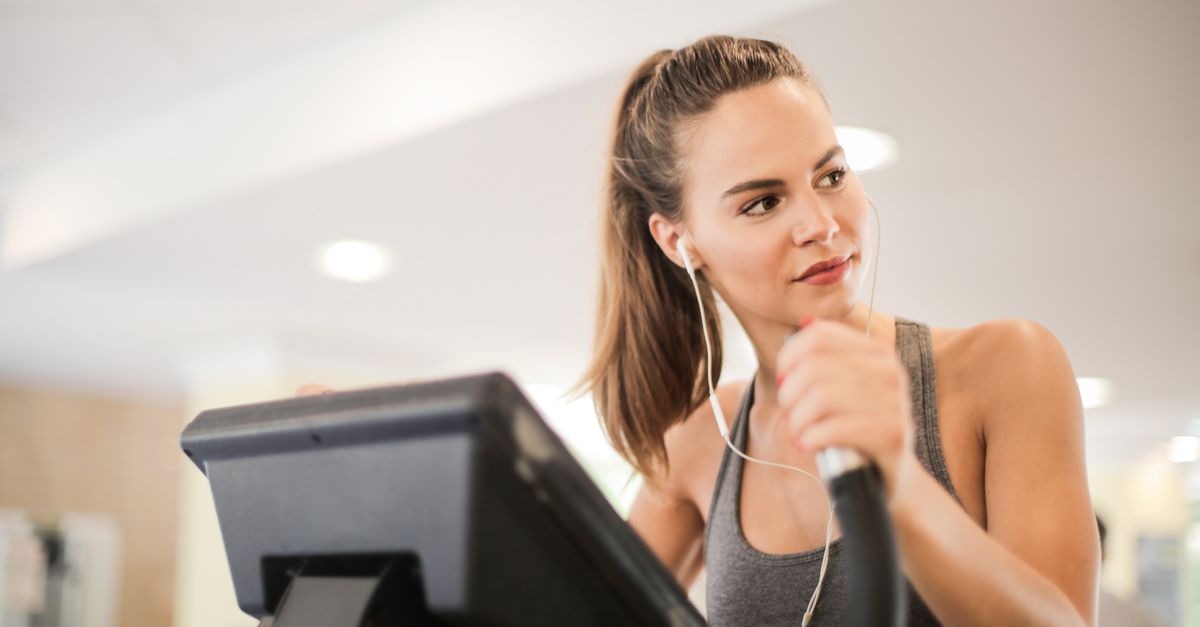
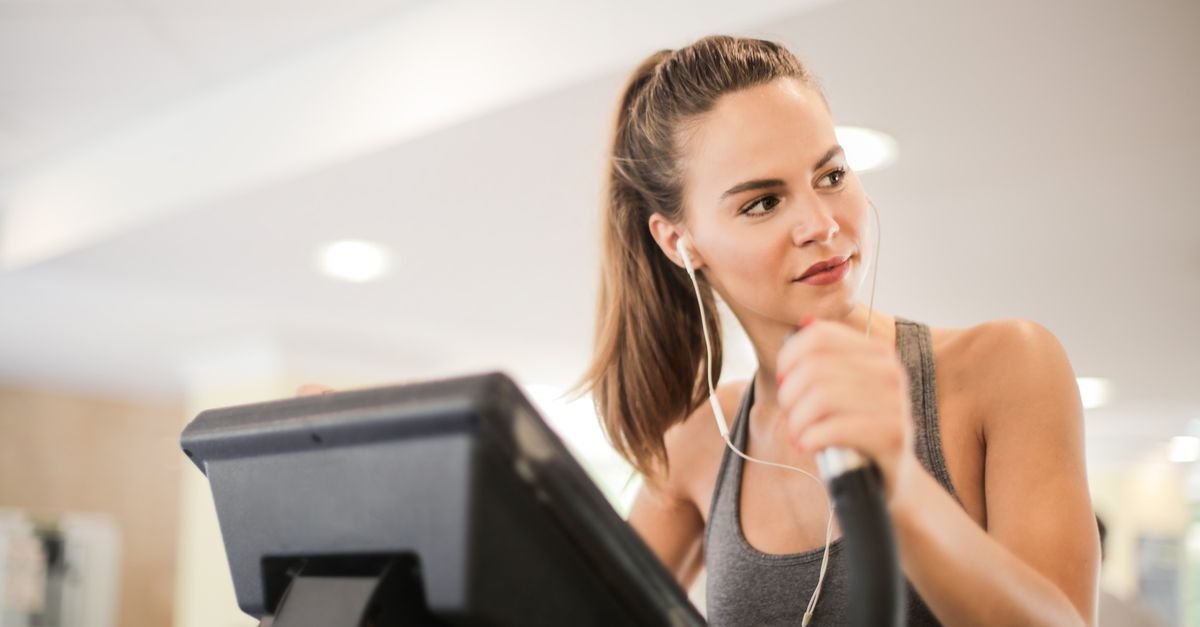
You step onto the elliptical, start pedaling, and grab the handles without a second thought. It feels natural, right? But here’s the uncomfortable question: are you actually using the elliptical handles well, or are you just hanging on for dear life? Most people treat those handles like a safety rail on a hiking trail—nice to have, but not something you think about. That’s a mistake. The handles are one of the most underrated tools on the entire machine. Use them well, and you can turn a boring cardio session into a full-body workout. Use them poorly, and you might be sabotaging your posture, your results, and even your joints.
Let’s dig into the details. Whether you’re a beginner who grips the fixed handles like a nervous driver or a seasoned gym-goer who swings the moving handles with wild abandon, there’s always room to improve. Think of this as a friendly tune-up for your elliptical technique.
Why Elliptical Handles Matter More Than You Think
Elliptical handles aren’t just there to keep you from face-planting. They influence your stride, your heart rate, and the muscles you recruit. When you hold the moving handles, your upper body gets involved. When you hold the fixed handles, you create a stable base for your legs to work harder. The trick is knowing when to use which handle and how much pressure to apply.
Imagine trying to paddle a kayak with only your legs. You’d move, sure, but you’d miss half the power. The same goes for the elliptical. Your arms are part of the engine. If you’re ignoring them or overusing them, you’re leaving performance on the table. So, are you using the handles well? Let’s find out.
The Anatomy of Elliptical Handles
Not all handles are created equal. Before you can use them well, you need to know what you’re holding. Most ellipticals come with two types of handles: fixed and moving. Some also have console grips with pulse sensors. Each one has a job.
Fixed vs. Moving Handles
Fixed handles are stationary. They’re usually positioned near the console or as vertical bars on the sides. They give you stability and let you focus on your lower body. Moving handles are connected to the pedals. When your legs move, the handles move with them. They let you push and pull, adding an upper-body component to your workout.
Here’s a quick analogy: fixed handles are like the handlebars on a spin bike—steady and supportive. Moving handles are like cross-country ski poles—dynamic and propulsive. You wouldn’t use them the same way, right? Exactly.
The Console Grips and Pulse Sensors
You know those metal pads on the console? Those are pulse sensors. They’re handy for a quick heart rate check, but they’re not meant for a full workout. If you hold them the entire time, you’ll likely hunch forward, lose your rhythm, and get an inaccurate reading anyway. Use them sparingly, then let go.
What “Using Handles Well” Actually Means
Using the handles well doesn’t mean gripping them with maximum force or never letting go. It means integrating them into your movement with intention. Your hands should be active participants, not passive passengers. Let’s break down the two pillars of good handle technique.
Posture First, Hands Second
Before you worry about your grip, check your posture. Stand tall. Imagine a string pulling the crown of your head toward the ceiling. Shoulders should be down and back, not shrugged up to your ears. Your core should be gently braced, like you’re about to cough. If your posture is a mess, your handle use will be a mess too.
Think of your body as a building. Your feet and legs are the foundation. Your core is the frame. Your arms and hands are the windows—they let light in, but they shouldn’t hold up the walls. If you’re using the handles to support your body weight, your foundation and frame aren’t doing their jobs.
The Push-Pull Rhythm
When you use the moving handles, think cross-country skiing. One arm drives forward while the other pulls back. It’s a rhythm, not a tug-of-war. Your arms should move smoothly with the pedals, not against them. If you’re gripping tightly and forcing the handles, you’ll tire out fast and lose coordination.
Try this: close your eyes for a few seconds (only if you’re stable). Feel the push and pull. Are you fighting the machine? Are you letting your arms flop? The goal is a fluid, rhythmic motion that feels almost effortless—like you’re gliding.
Common Mistakes People Make on Elliptical Handles
Even experienced elliptical users fall into bad habits. Let’s call out the most common ones so you can fix them.
Death-Grip Syndrome
You’ve seen it. Knuckles white, fingers clenched, arms tense. Death-grip syndrome is real, and it’s exhausting. Gripping too hard raises your blood pressure, tires your forearms, and restricts blood flow. You don’t need to squeeze the life out of the handles. A relaxed, firm grip is plenty.
Imagine holding a small bird. You want to keep it safe, not crush it. That’s the pressure you should use.
Leaning on the Handles Like a Shopping Cart
This is the big one. You’re not pushing a cart through a grocery store. If you’re leaning your entire body weight onto the fixed handles, you’re cheating your legs out of work. Your core disengages, your lower back arches, and your calorie burn drops. The handles are for balance, not for carrying you.
Next time you’re on the elliptical, try letting go of the handles for 10 seconds. Can you stay upright without falling forward? If not, you’re leaning too much.
Ignoring the Moving Handles Entirely
Some people grab the fixed handles and never touch the moving ones. That’s fine if you’re doing a lower-body-focused workout or need stability. But if you always ignore the moving handles, you’re missing out on a full-body burn. Your arms, chest, back, and shoulders are just along for the ride. Why not put them to work?
The Pulse Sensor Trap
Ah, the pulse sensors. They’re convenient, but they’re also a trap. Holding them for minutes on end forces you into a hunched, awkward position. Your stride shortens, your breathing gets shallow, and your heart rate reading is probably wrong anyway. If you want accurate heart rate data, use a chest strap or wrist monitor. Use the sensors for a quick 15-second check, then move your hands back to where they belong.
How to Use Fixed Handles for Stability and Intensity
Fixed handles aren’t just for beginners. They’re a secret weapon for advanced users too. Here’s how to use them well.
When to Hold Fixed Handles
Hold the fixed handles when you want to focus on your legs, maintain an upright posture, or push through a tough resistance level. They’re great for steady-state cardio, hill climbs, and moments when you need to catch your breath without losing form. They also help you isolate your glutes and quads because you’re not relying on your upper body to generate momentum.
How to Add Resistance and Speed
Once you’re holding the fixed handles, resist the urge to slouch. Keep your chest up and your gaze forward. Increase the resistance and push through your heels. Because your arms are anchored, you can drive more power through your legs. Think of it as sprinting up a hill with a handrail—you’re still doing the work, but the rail keeps you steady.
Try this drill: hold the fixed handles, set the resistance to a challenging but manageable level, and maintain a steady pace for two minutes. Then let go and try to keep the same pace without holding on. Notice how much harder your legs have to work? That’s the point.
How to Use Moving Handles for Full-Body Engagement
Moving handles are where the magic happens. They turn a leg workout into a total-body experience. But only if you use them correctly.
Sync Your Arms and Legs
Your arms and legs should move together in a coordinated rhythm. Don’t let your arms lag behind or race ahead. The handles will guide you if you let them. Think of yourself as a marionette with strings attached to your hands and feet. When one string pulls, the other responds. Smooth, synchronized motion is the goal.
Don’t Let Your Arms Do All the Work
It’s easy to start yanking on the moving handles when you get tired. Your arms take over, your legs coast, and your heart rate drops. That’s not a full-body workout—that’s an arm workout with a leg warm-up. Keep your legs engaged. Push through your feet. Let your arms assist, not dominate.
Here’s a quick check: if your arms are burning more than your legs, you’re probably overusing them. Dial back the arm effort and focus on driving through your heels.
Handle Height, Grip, and Wrist Position
Small details make a big difference. Your grip and wrist position can affect comfort, power, and injury risk.
Neutral Grip vs. Overhand Grip
Most elliptical handles are designed for a neutral grip—palms facing each other. This is the most natural and shoulder-friendly position. Some fixed handles allow an overhand grip, which can be fine for short periods. But if you’re using an overhand grip for the whole workout, you might strain your shoulders and wrists. Stick with neutral whenever possible.
Keep Wrists Straight
Bending your wrists up, down, or sideways under load is a recipe for discomfort. Keep them straight and aligned with your forearms. Imagine your arms are one long lever from elbow to fingertips. No kinks, no bends. If your wrists hurt, lighten your grip and check your position.
Elliptical Handles and Muscle Activation
What muscles are actually working when you use the handles? More than you might think.
Upper Body Benefits
When you push and pull the moving handles, you engage your lats, chest, shoulders, biceps, and triceps. It’s not a replacement for strength training, but it’s a nice bonus. Over time, you’ll build muscular endurance in your upper body. That’s why the elliptical can feel so exhausting—your arms are working just as hard as your legs.
Core and Back Engagement
Your core has to stabilize your torso while your arms and legs move in opposite directions. That’s a coordination challenge. If you’re doing it right, your abs, obliques, and lower back are all firing. If you’re leaning on the handles, your core takes a nap. Stay upright, keep your ribs down, and let your core do its job.
Are You Using the Handles for Balance or Cheating?
There’s a fine line between balance and cheating. Using the handles for balance means you’re making micro-adjustments to stay stable. Cheating means you’re transferring your body weight onto the handles to make the workout easier. How can you tell the difference? Let go. If you can maintain your posture and stride for 10–15 seconds without holding on, you’re using the handles for balance. If you immediately tip forward or your legs stall, you’re leaning too much.
Another clue: are your palms red and sore after a workout? That’s a sign you’re gripping too hard and leaning. Ease up.
Handles and Heart Rate: What the Sensors Tell You
Heart rate sensors on the handles are convenient, but they’re not gospel. They measure your pulse through your palms, which can be affected by movement, sweat, and grip pressure. If you’re holding the sensors tightly, you might get a reading that’s too high or too low. For accurate data, use a chest strap or a wrist-based monitor that’s designed for continuous reading.
Use the handle sensors as a rough guide. If you see a number that seems way off, don’t panic. Check your breathing and perceived exertion instead. Your body knows better than a pair of metal pads.
Workouts That Make the Most of the Handles
Ready to put this into practice? Try these three workouts, each designed to use the handles in a different way.
Interval Training with Moving Handles
Warm up for five minutes. Then alternate 30 seconds of hard effort with 60 seconds of easy recovery. During the hard intervals, grip the moving handles and drive with your arms and legs. During recovery, lighten your grip and let your arms relax. Repeat for 15–20 minutes. This workout spikes your heart rate and challenges your coordination.
Endurance Session with Light Grip
Set a moderate resistance. Hold the moving handles with a light, relaxed grip. Focus on smooth, steady breathing and a consistent pace. Every five minutes, let go of the handles for 30 seconds and maintain your stride. This teaches you to rely on your core and legs, not your arms. Go for 30–45 minutes.
Hill Climb with Fixed Handles
Increase the resistance to simulate a steep hill. Hold the fixed handles and push through your heels. Keep your chest up and your core tight. Don’t lean on the handles—just use them for stability. Climb for 10–15 minutes, then reduce resistance and recover for five minutes. Your glutes and quads will thank you.
Handles, Posture, and Injury Prevention
Poor handle use can lead to aches and pains. Here’s what to watch out for.
Shoulder and Neck Strain
If you’re hunching over the handles or gripping too hard, your shoulders creep up toward your ears. That creates tension in your neck and upper back. Over time, it can lead to headaches and shoulder impingement. Keep your shoulders down and back. Relax your grip. If your neck hurts, you’re doing something wrong.
Low Back and Hip Alignment
Leaning on the handles often causes your lower back to arch or round. Both are bad. You want a neutral spine—natural curves, no excessive arching or rounding. Your hips should be level, not tilted. If your lower back aches after an elliptical session, check your handle posture. You might be leaning without realizing it.
Elliptical Handles for Different Fitness Levels
Your handle strategy should match your experience and goals.
Beginners
Start with the fixed handles. Focus on balance, posture, and a smooth stride. Once you feel comfortable, try letting go for a few seconds at a time. Then gradually introduce the moving handles. Don’t worry about speed or resistance yet. Master the basics first.
Intermediate
You’re ready to use both handle types. Alternate between fixed and moving handles during your workout. Try intervals with the moving handles and steady-state with the fixed ones. Pay attention to your grip pressure and wrist alignment.
Advanced
Challenge yourself with no-handed intervals (only if safe and you’re stable). Use the moving handles for explosive pushes and pulls. Add resistance and speed. Focus on full-body coordination. You might even try closing your eyes briefly to enhance proprioception.
Quick Checklist: Are You Using the Handles Well?
- Are your shoulders down and back?
- Is your grip relaxed, not white-knuckled?
- Are your wrists straight and neutral?
- Are you leaning on the handles or just balancing?
- Are your arms and legs moving in sync?
- Can you let go for 10 seconds without falling forward?
- Are you using the pulse sensors only for quick checks?
- Does your core feel engaged?
If you answered “no” to any of these, don’t sweat it. Just adjust and keep going. Small tweaks lead to big improvements.
Conclusion
Using the elliptical handles well is about intention. It’s not about gripping harder or swinging wildly. It’s about posture, rhythm, and knowing when to hold on and when to let go. The handles can help you burn more calories, engage more muscles, and protect your joints—or they can become a crutch that holds you back. The choice is yours.
Next time you hop on the elliptical, take a moment to check in. Are your shoulders relaxed? Is your grip light? Are your arms and legs working together? If you can answer yes, you’re using the handles well. If not, you have a simple fix. Your body will thank you, and your workouts will feel more effective.
FAQs
Are elliptical handles supposed to move?
Some are, some aren’t. Moving handles are designed to move with your stride, giving you an upper-body workout. Fixed handles stay still and provide stability. Both are useful. Just don’t force the moving handles—let them glide naturally.
Should I hold the moving or fixed handles?
It depends on your goal. Moving handles are better for full-body engagement and calorie burn. Fixed handles are better for lower-body focus, balance, and high-resistance climbs. Mix them up for the best results.
Can I get a full-body workout without handles?
You can get a great lower-body and core workout without holding the handles, but you’ll miss out on upper-body engagement. If you want a true full-body session, use the moving handles at least part of the time.
Why do my hands go numb on the elliptical?
Numbness usually comes from gripping too hard, bending your wrists, or holding the pulse sensors too long. Relax your grip, keep your wrists straight, and take breaks from the sensors. If numbness persists, see a doctor.
How do I know if I’m leaning too much on the handles?
Try letting go for 10–15 seconds. If you can’t maintain your posture and stride without holding on, you’re leaning too much. Lighten your grip, stand taller, and engage your core.