Table of Contents
- Swimming for Fitness: Plan Your First Session
- Why Swimming Is a Full-Body Fitness Powerhouse
- Before You Dive In: Health Check and Gear
- Setting a Realistic Goal for Your First Session
- Choosing the Right Pool and Time
- Your First Session Blueprint: Warm-Up, Main Set, Cool-Down
- Stroke Options for New Swimmers
- Breathing and Body Position Tips
- How to Avoid Common First-Session Mistakes
- Tracking Progress Without Obsessing
- Fueling and Hydration Around Your Swim
- Safety Rules Every New Swimmer Should Know
- Conclusion: Your First Lap Is the Hardest
- FAQs
Swimming for Fitness: Plan Your First Session
Swimming for fitness sounds simple, right? Put on a suit, jump in the water, move your arms, and call it a workout. But if you have ever stood at the edge of a pool wondering what to actually do for the next 30 minutes, you know it can feel a little overwhelming. The good news is that your first session doesn’t need to be perfect. It just needs to happen.
Think of this as your friendly poolside coach. We’ll map out a realistic plan, cover the gear that matters, talk about strokes, breathing, safety, and how to finish feeling energized instead of wrecked. You don’t need to be a former swim team star. You don’t need fancy equipment. You just need a little structure and a willingness to get wet.
Why Swimming Is a Full-Body Fitness Powerhouse
Swimming is one of those rare workouts that hits your heart, lungs, and muscles without pounding your joints. It’s like getting a cardio session, strength training, and mobility work all in one chlorinated package. When you swim, the water supports you, but it also pushes back. That resistance is your built-in gym.
Low-Impact, High-Reward
If running leaves your knees singing a sad song, swimming might be your new best friend. The water reduces the impact on your joints, so you can work hard without the same wear and tear. That doesn’t mean it’s easy. It just means the challenge comes from resistance and technique rather than pounding the pavement.
Muscles You Didn’t Know You Were Training
You’ll feel your lats, shoulders, and chest working, sure. But swimming also wakes up your core, glutes, and even your upper back in ways you might not expect. It’s a full-body conversation, not a solo performance by your arms.
Core Stability in the Water
Your core has to keep your body aligned while your arms and legs do their thing. If your middle goes soft, your hips sink, and suddenly you’re swimming uphill. A strong core in the pool translates to better posture on land too.
Shoulders, Back, and Glutes
Freestyle and backstroke love your shoulders and back. Breaststroke and butterfly bring in more glutes and inner thighs. Even a gentle kick set wakes up your hips and legs. The best part? You can adjust the intensity without changing the entire workout.
Before You Dive In: Health Check and Gear
Before you plan your first session, take a quick inventory of your health and your closet. A little preparation now saves a lot of frustration later.
When to Talk to a Doctor
If you have a heart condition, asthma, joint issues, or any medical concern, check with your doctor before starting a new swimming routine. This isn’t about being dramatic. It’s about being smart. Most people can swim safely, but a quick conversation can give you peace of mind.
Swimwear That Works With You
You don’t need a high-tech racing suit. You need something comfortable that stays put. A well-fitting one-piece or athletic two-piece works fine. If the suit rolls, digs, or needs constant adjusting, you’ll be distracted before you finish your warm-up.
Goggles, Caps, and Other Small Wins
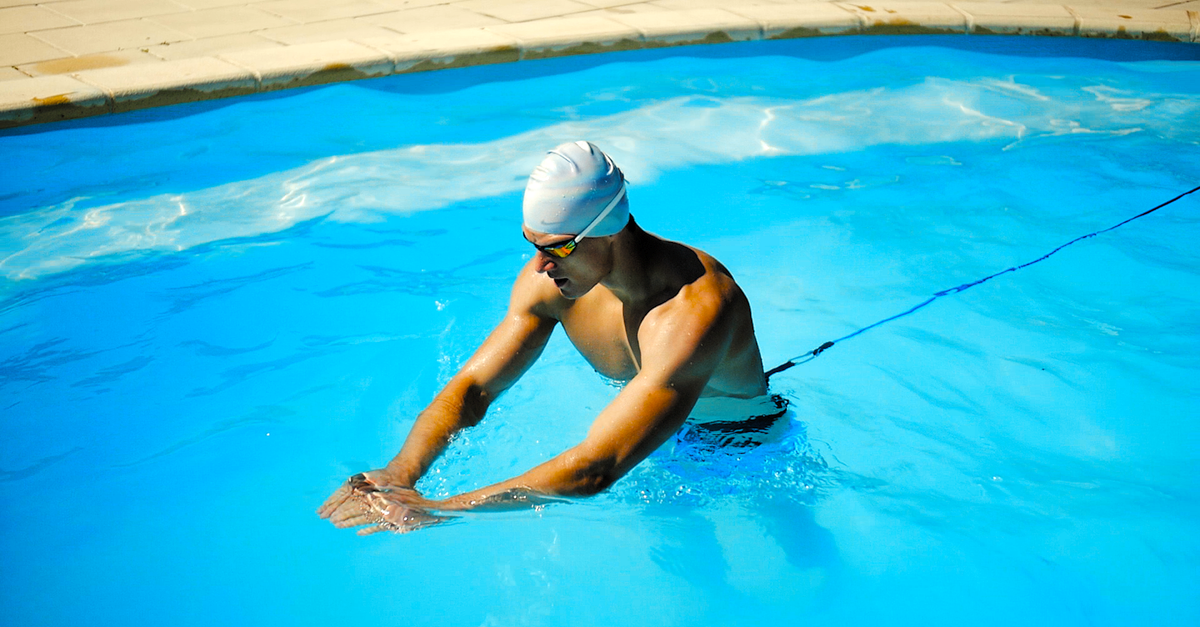
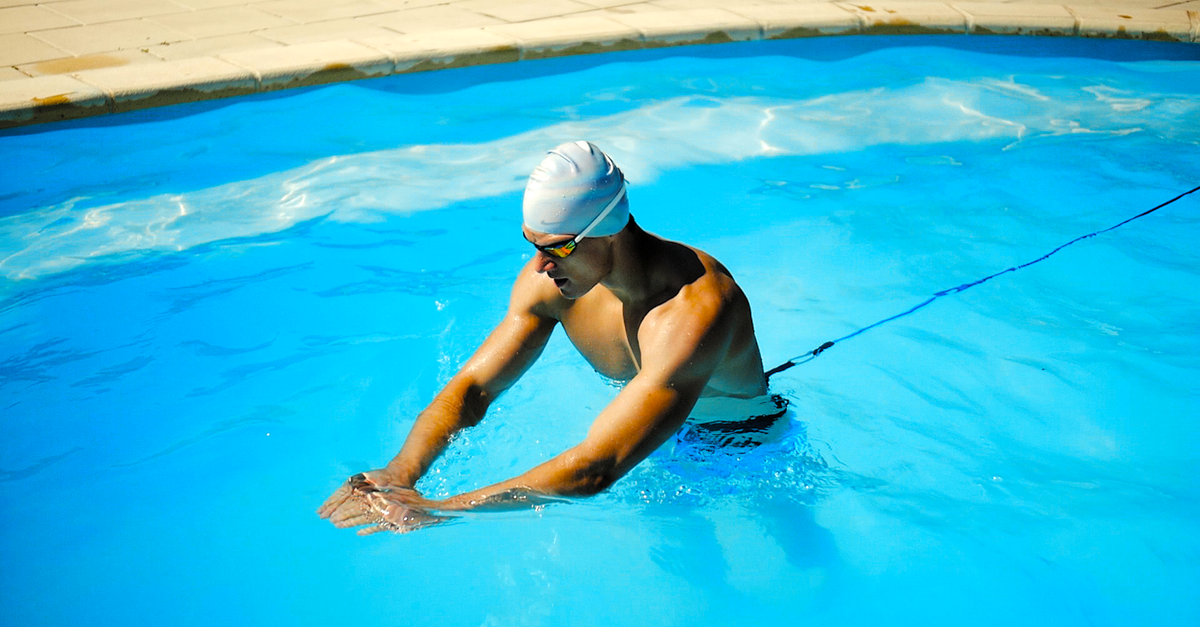
These small items make a big difference. Goggles protect your eyes from chlorine and help you see where you’re going. A cap keeps hair out of your face and can protect your hair from pool chemicals. A towel, water bottle, and flip-flops round out the basics.
Goggles: Fit Over Fashion
Find goggles that seal gently around your eyes without feeling like they’re suctioned to your skull. If they leak, try adjusting the nose bridge or switching sizes. Comfort beats cool colors every time.
Swim Caps: Practical, Not Just Pro
Swim caps aren’t just for competitive swimmers. They keep long hair contained, reduce drag, and help you stay warmer in cooler pools. If you hate the tight feeling, look for a larger cap or a fabric one.
Setting a Realistic Goal for Your First Session
Your first session is not the Olympics. It’s a test drive. The goal is to finish feeling like you could come back again, not like you need a week to recover.
Time Over Distance
Forget about how many laps you “should” do. Focus on time. Aim for 20 to 30 minutes total in the water, including rest. That’s enough to get your heart rate up and your technique moving without overwhelming you.
Effort Level: The Talk Test
Can you say a short sentence without gasping? If yes, you’re probably at a good beginner pace. If you can sing a song, speed up a little. If you can only grunt, slow down. Swimming should feel like work, but not like drowning.
Choosing the Right Pool and Time
Not all pools are created equal. A quiet pool with clear lane markings is a beginner’s dream. A crowded pool at 6 p.m. on a Monday? That’s a different beast.
Lane Etiquette Made Simple
If you share a lane, circle swimming is common. You swim down one side and back on the other. If you’re unsure, ask the lifeguard or another swimmer. Most people are happy to help. Just don’t stop in the middle of the lane like you’re waiting for a bus.
Busy vs. Quiet Hours
Early mornings and late evenings are often quieter. Midday can be busy with fitness swimmers and classes. Call ahead or check the pool schedule online. A calm lane makes it easier to focus on your breathing and stroke.
Your First Session Blueprint: Warm-Up, Main Set, Cool-Down
Here’s the simple structure: warm up, main set, cool down. It’s like a sandwich. The warm-up is the bread that holds everything together, the main set is the filling, and the cool-down is the final bite that helps you digest the workout.
Warm-Up: 5 to 8 Minutes
Start slow. Your muscles need a heads-up that work is coming. This isn’t the time to sprint. It’s the time to wake up your shoulders, hips, and lungs.
Dynamic Movement Before Water
Do a few arm circles, shoulder rolls, and gentle torso twists. Add some leg swings and ankle circles. You’re not stretching for a gymnastics meet. You’re just greasing the joints.
Easy Laps to Wake Up Your Shoulders
Swim four to six easy laps. You can mix freestyle and breaststroke, or just do freestyle at a snail’s pace. Focus on long, smooth movements. If you need to rest at the wall, rest. This is a warm-up, not a race.
Main Set: 15 to 25 Minutes
Now we get to the meat of the session. The main set is where you build fitness. But for your first time, keep it simple and repeatable.
Interval Idea for Beginners
Try this: swim 2 laps, rest 30 seconds. Repeat 8 to 10 times. That’s 16 to 20 laps total, which is plenty for a first session. If 2 laps feels too long, swim 1 lap and rest 20 seconds. There’s no shame in starting small.
Rest Is Part of the Plan
Rest is not cheating. It’s training. You need rest to catch your breath, check your form, and keep your heart rate from redlining. Use the wall. Hang on. Breathe. Then go again.
Cool-Down: 5 Minutes
Don’t just climb out and run to the locker room. Your body needs a gentle transition back to normal.
Gentle Laps and Breathing
Swim two to four very easy laps. Use a slow breaststroke or backstroke. Focus on long exhales. This helps your heart rate come down and clears lactate from your muscles.
Stretch After You Exit
Once you’re out, stretch your shoulders, chest, lats, and hips. Hold each stretch for 20 to 30 seconds. You’ll thank yourself tomorrow when you’re not stiff as a surfboard.
Stroke Options for New Swimmers
You don’t have to master every stroke. In fact, your first session should focus on one or two that feel manageable. Here’s a quick rundown.
Freestyle Basics
Freestyle is the most common fitness stroke. You alternate arms, flutter kick, and breathe to the side. The tricky part is timing. Turn your head as one arm recovers, not while both arms are pulling. Start with a slow tempo and don’t worry about speed.
Breaststroke for Rhythm
Breaststroke is like a moving meditation. You glide, pull, breathe, and kick. It’s great for beginners because you can keep your head above water if needed. The rhythm is forgiving, and it works your inner thighs and glutes.
Backstroke for Recovery
Backstroke gives your shoulders a break from freestyle. You lie on your back, alternate arms, and kick. It’s excellent for posture and core work. Just watch out for the lane rope. It has a way of sneaking up on you.
Breathing and Body Position Tips
Breathing is where most new swimmers struggle. It’s not because you’re out of shape. It’s because you’re trying to breathe at the wrong time. Fix your breathing and the whole workout changes.
Exhale Underwater, Inhale Above
Don’t hold your breath. Exhale slowly while your face is in the water. Then turn your head and inhale when your mouth clears the surface. Think of it like blowing bubbles through a straw. It sounds silly, but it works.
Keep Hips High
If your hips sink, your legs drag, and you waste energy. Imagine a string pulling your belly button toward the ceiling. Press your chest down slightly and keep your head neutral. A high hip position makes swimming feel almost effortless.
How to Avoid Common First-Session Mistakes
Everyone makes mistakes. The goal is to make small ones that don’t ruin your desire to come back.
Going Too Hard Too Soon
You might feel like a dolphin for the first two laps. Then your arms turn to noodles. Pace yourself. Swimming fitness builds quickly, but only if you don’t burn out on day one.
Skipping Rest
Rest is not a weakness. It’s a strategy. If you skip rest, your form falls apart, and you risk injury. Take the 30 seconds. Your future self will high-five you.
Comparing Yourself to Others
There will always be someone faster, smoother, and more confident in the water. Good for them. Your only competition is the version of you that stayed on the couch. Focus on your own lane.
Tracking Progress Without Obsessing
Tracking your progress can be motivating, but it can also turn into a stress fest. Keep it simple and kind.
Simple Metrics That Matter
Write down how long you swam, how many laps you completed, and how you felt on a scale of 1 to 10. That’s it. You don’t need a spreadsheet with 47 columns. You just need a gentle record of your effort.
How to Build Your Next Session
Next time, add one or two laps to your main set. Or reduce your rest by five seconds. Or try a new stroke for a few laps. Small increases add up. Before you know it, you’ll be swimming for 45 minutes without thinking twice.
Fueling and Hydration Around Your Swim
You might not feel sweaty in the pool, but you’re still losing fluids. And yes, you need fuel. Swimming on an empty stomach can leave you dizzy. Swimming on a full stomach can leave you burping bubbles.
What to Eat Before
Have a light snack 30 to 60 minutes before you swim. A banana, a slice of toast with peanut butter, or a small yogurt works well. Keep it simple and easy to digest.
Hydration in the Pool
Keep a water bottle at the edge of the pool. Sip between sets. You don’t need to chug, but you do need to drink. Chlorine and cool water can mask thirst, so don’t wait until you’re parched.
Safety Rules Every New Swimmer Should Know
Swimming is safe, but water deserves respect. A few simple rules keep your session fun and drama-free.
Never Swim Alone
Always swim where there’s a lifeguard or a buddy. Even strong swimmers can get cramps or hit their head. Having someone around is non-negotiable.
Know Your Exit Strategy
Before you get in, know where the ladder, steps, or shallow end is. If you get tired, you want to know exactly how to get out without panicking. It’s like knowing where the exits are on a plane. You hope you never need it, but you’re glad you looked.
Conclusion: Your First Lap Is the Hardest
Your first swim session doesn’t have to be fast, pretty, or perfect. It just has to be yours. Warm up, swim a few easy intervals, rest when you need to, and cool down. That’s a complete workout. You showed up, you moved, and you learned something about how your body feels in the water.
Swimming for fitness is a journey, not a race. The more you practice, the more natural it feels. Your breathing will smooth out. Your hips will stay higher. Your rest breaks will get shorter. And one day, you’ll realize you’ve been swimming for 30 minutes straight and actually enjoyed it.
So grab your goggles, fill your water bottle, and plan your first session. The water is waiting. You’ve got this.
FAQs
How long should my first swimming session be?
Aim for 20 to 30 minutes total, including warm-up, main set, and cool-down. If that feels like too much, start with 15 minutes and build from there. Consistency matters more than duration.
What should I do if I can’t swim a full lap without stopping?
That’s completely normal. Swim half a lap, rest at the wall, and repeat. You can also switch to breaststroke or backstroke when you need a breather. Fitness comes with practice, not perfection.
Do I need to wear a swim cap?
No, but it helps. A cap keeps hair out of your face, reduces drag, and protects your hair from chlorine. If you have long hair or find yourself constantly adjusting your hair, a cap is worth trying.
How soon after eating can I swim?
Wait about 30 to 60 minutes after a light snack. A heavy meal needs more time, usually 2 to 3 hours. If you feel cramping or sluggish, give yourself a longer buffer next time.
What if I feel self-conscious in a swimsuit?
Almost everyone feels a little awkward at first. Remember that most people are focused on their own workout, not yours. Wear something comfortable that stays in place, and give yourself permission to be a beginner. Confidence grows with every lap.