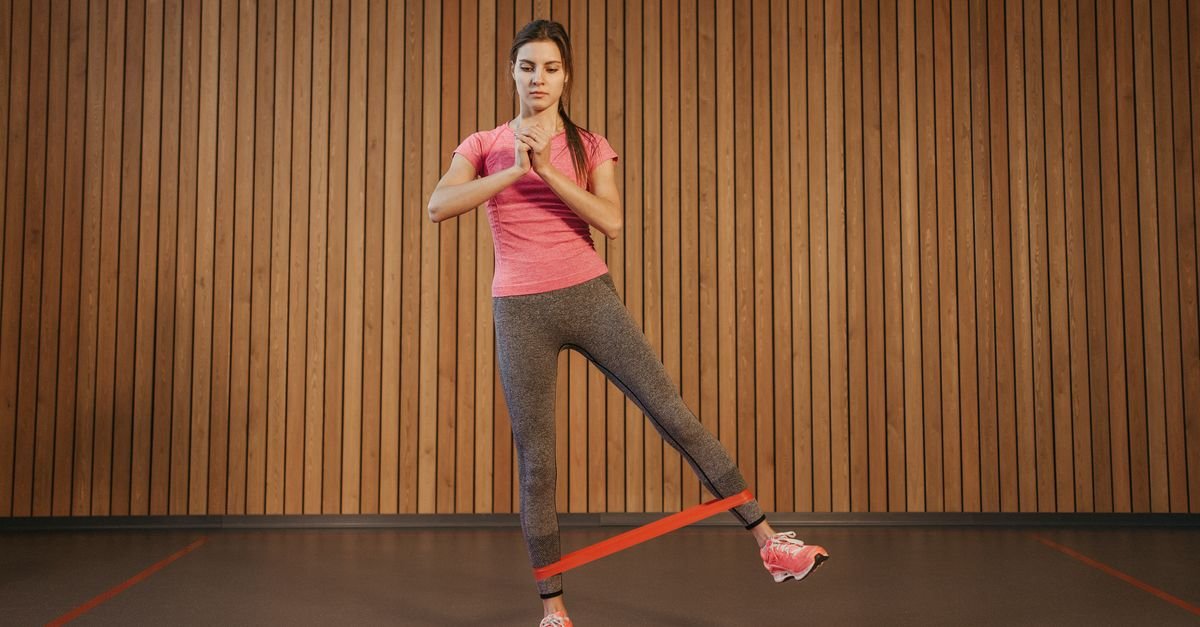
Balance Exercises to Add to Your Routine
You brush your teeth. You tie your shoes. You walk to the kitchen. Balance is running in the background of every one of those moments, quietly keeping you upright. But here’s the catch: most of us never train it directly. We train our arms, our legs, our core, and our heart. Balance gets ignored until it becomes a problem.
That’s a missed opportunity. Balance exercises are not just for older adults or rehabilitation. They’re for anyone who wants to move better, feel steadier, and stay independent. The good news? You don’t need a fancy gym or a complicated plan. You need a few minutes, a little floor space, and a willingness to wobble a bit. Let’s dive into the best balance exercises to add to your routine and how to make them work for your life.
Why Balance Training Matters More Than You Think
Think of balance like the foundation of a house. You can paint the walls and decorate the rooms, but if the foundation is shaky, everything else feels unstable. Balance training strengthens that foundation. It improves your coordination, sharpens your reaction time, and helps your body respond to unexpected changes.
When you step off a curb, reach for a high shelf, or carry a squirmy toddler, your body makes micro-adjustments. Those adjustments are balance in action. If you don’t practice them, they degrade. If you do practice them, they become automatic.
And it’s not just about avoiding falls. Better balance can improve your posture, reduce knee and ankle injuries, and even boost your athletic performance. You’ll feel more confident moving through the world, whether you’re hiking a trail or navigating a crowded grocery store.
The Science Behind Staying Steady
Balance isn’t one single skill. It’s a team effort between three systems: your vision, your inner ear, and your body’s sense of where it is in space, called proprioception. Your brain takes information from all three, then sends signals to your muscles to keep you upright.
When you close your eyes and stand on one leg, you’re removing vision from the equation. Your inner ear and proprioception have to work harder. That’s why balance exercises often include variations like closing your eyes or standing on a foam pad. You’re forcing your body to adapt.
Over time, this adaptation builds stronger neural pathways. Your muscles learn to fire faster and more precisely. Your joints become more stable. Your brain gets better at processing sensory information. It’s like upgrading your body’s operating system.
Who Should Add Balance Exercises? (Almost Everyone)
Short answer: if you have a body, you can benefit from balance training. But let’s break it down by group, because your goals might shape your approach.
Athletes and Weekend Warriors
If you run, play basketball, ski, or lift weights, balance is your secret weapon. It improves force transfer, stabilizes your joints, and helps you change direction without wiping out. A runner with strong balance has better control through the ankle and knee, which can reduce injury risk. A lifter with solid balance can brace more effectively and lift heavier weights safely.
Older Adults and Fall Prevention
For older adults, balance training is not optional. It’s essential. Falls are a leading cause of injury and loss of independence. The good news? Balance can improve at any age. Simple exercises like single-leg stands and heel-to-toe walks can dramatically reduce fall risk when practiced consistently.
Desk Workers and Everyday Movers
Sitting for hours can make your hips tight, your glutes sleepy, and your core lazy. That combination throws off your balance without you even noticing. Adding a few balance drills to your day can wake up those stabilizer muscles and undo some of the damage from too much chair time.
How to Start Without Overcomplicating It
You don’t need to turn your life into a balance boot camp. Start small. Pick two or three exercises. Do them while your coffee brews or while you’re watching TV. The key is consistency, not intensity.
Also, safety first. If you feel dizzy or unsteady, hold onto a counter, chair, or wall. There’s no shame in support. In fact, using support is smart. It lets you train the movement pattern without risking a fall.
The 3-Second Rule for Safer Progress
Before you add difficulty, make sure you can hold a position for at least three seconds with control. If you’re wobbling like a newborn giraffe, you’re not ready to close your eyes or stand on a pillow. Master the basics first. Then progress.
What You Need: Space, Support, and Patience
You need about six feet of floor space. Wear comfortable clothes. Bare feet or socks with grip work best. Have a sturdy chair or counter within arm’s reach. And bring patience. Balance training is humbling. You will shake. You will wobble. That’s not failure. That’s your body learning.
12 Balance Exercises to Add to Your Routine
Here are twelve exercises that cover different aspects of balance. You can mix and match them. Do them as a standalone routine or sprinkle them into your existing workouts.
1. Single-Leg Stand
Stand tall with feet hip-width apart. Shift your weight to your left foot, then lift your right foot off the floor. Keep your hips level and your standing knee slightly soft. Hold for 20 to 30 seconds. Switch sides.
Make It Harder
Close your eyes, stand on a pillow, or move your lifted leg in small circles. You can also reach your arms overhead or pass a ball from hand to hand.
2. Heel-to-Toe Walk
Place your right heel directly in front of your left toes. Walk forward slowly, placing each heel right in front of the opposite foot. Take 10 to 20 steps. Keep your gaze forward and your core braced.
Make It Harder
Walk backward, turn your head side to side as you go, or do the walk on a soft surface like a mattress or foam mat.
3. Tree Pose
From standing, shift your weight to your left leg. Place your right foot on your inner calf or inner thigh, avoiding the knee joint. Press your foot into your leg and your leg into your foot. Bring your hands together at your chest. Hold for 30 seconds. Switch sides.
Make It Harder
Raise your arms overhead, close your eyes, or stand on a folded blanket. For a real challenge, try tree pose with your foot in a half-lotus position.
4. Standing Knee Lift
Stand with your feet together. Lift your right knee toward your chest without leaning back. Hold for three seconds, then lower it slowly. Do 10 reps on each side. This one teaches you to balance while moving, not just holding still.
5. Clock Reach
Imagine a clock on the floor around you. Stand on your left leg. Reach your right foot to 12 o’clock, then 3, then 6, then 9. Tap the floor lightly and return to center. Do five rounds, then switch legs. This improves dynamic balance and hip control.
6. Tandem Stance
Stand with your right foot directly in front of your left, heel touching toes. Keep your weight centered. Hold for 30 seconds. Switch feet. This narrow stance is surprisingly challenging for many people.
7. Single-Leg Deadlift
Stand on your left leg with a slight bend in the knee. Hinge forward at the hips, reaching your right hand toward the floor and extending your right leg behind you. Keep your back flat. Return to standing. Do 8 to 10 reps per side. This builds hamstring strength and balance at the same time.
8. Lateral Leg Raises
Stand on your left leg. Lift your right leg out to the side, keeping it straight. Hold for two seconds, then lower it slowly without letting your foot touch the floor. Do 10 reps, then switch. This targets your hip abductors, which are key for side-to-side stability.
9. Bird Dog
Start on all fours. Extend your right arm forward and your left leg back at the same time. Keep your hips level and your core tight. Hold for three seconds, then return. Do 10 reps per side. This is a classic core and balance exercise that also protects your lower back.
10. Dead Bug
Lie on your back with arms extended toward the ceiling and knees bent at 90 degrees. Slowly lower your right arm and left leg toward the floor while keeping your lower back pressed down. Return to start. Do 10 reps per side. It’s not a standing balance exercise, but it trains the deep core stability that supports every standing balance task.
11. Warrior III
From standing, shift your weight to your left leg. Hinge forward and extend your right leg behind you until your body forms a T shape. Reach your arms forward or keep them at your sides. Hold for 20 to 30 seconds. Switch sides. This pose challenges balance, hamstrings, and focus.
12. Weight Shifts
Stand with feet hip-width apart. Slowly shift your weight to your right foot, lifting your left foot just an inch off the floor. Hold for three seconds. Then shift to your left foot. Do 10 shifts per side. This simple drill teaches you to control your center of mass.
How to Build a Weekly Balance Routine
You don’t need to do all twelve exercises every day. In fact, that’s a recipe for burnout. Instead, think of balance training like flossing. A little bit every day beats a marathon once a month.
Aim for 10 to 15 minutes of balance work, three to four times per week. You can do it as a warm-up, a cool-down, or a standalone session. If you’re short on time, pick three exercises and rotate them every few weeks.
Sample 10-Minute Balance Circuit
- Single-Leg Stand: 30 seconds per side
- Heel-to-Toe Walk: 20 steps forward, 20 steps back
- Tree Pose: 30 seconds per side
- Standing Knee Lift: 10 reps per side
- Bird Dog: 10 reps per side
- Weight Shifts: 10 reps per side
Rest for 30 seconds between exercises. Repeat the circuit twice if you have time.
Sample Advanced Progression
Once the basic circuit feels easy, add these tweaks: close your eyes during single-leg stands, use a foam pad for tree pose, slow down your heel-to-toe walk, or add a light dumbbell to single-leg deadlifts. Always prioritize control over speed.
Common Mistakes That Sabotage Your Balance
You might be doing balance exercises and wondering why you’re not improving. Here are the usual culprits.
- Holding your breath. Breathing keeps you calm and coordinated. If you’re tense, you’ll wobble more.
- Looking down. Your eyes help you balance. Keep your gaze on a fixed point ahead.
- Going too fast. Speed hides instability. Slow down to expose and fix weak spots.
- Skipping support. Using a wall or chair isn’t cheating. It’s smart training.
- Doing it once a week. Balance is a skill. Skills need frequent practice.
Balance Exercises for Specific Goals
Your goal shapes your routine. Here’s how to tailor balance training for three common groups.
For Runners
Runners need single-leg stability. Focus on single-leg deadlifts, lateral leg raises, and single-leg stands. These exercises strengthen your ankles, hips, and glutes, which can reduce your risk of shin splints, runner’s knee, and ankle sprains. Do them on easy days or after runs.
For Seniors
Safety and function come first. Practice tandem stance, heel-to-toe walking, and sit-to-stand transitions. Use a counter or sturdy chair for support. Try to do a little every day. Even five minutes can make a difference in fall prevention and confidence.
For Beginners
Start with supported single-leg stands and weight shifts. Don’t worry about closing your eyes or standing on pillows yet. Build a foundation of control. Once you can hold a single-leg stand for 30 seconds without grabbing the wall, you’re ready to progress.
How to Measure Your Progress
Balance progress is subtle, so track it. Try this simple test once a month: stand on one leg with your arms crossed over your chest. Time how long you can hold it without hopping or touching your other foot down. Do both sides. Write down your numbers.
You can also notice everyday wins. Do you feel steadier on stairs? Less wobbly when you put on pants? More confident on uneven ground? Those are real signs of improvement. Celebrate them.
When to Skip or Modify Balance Training
If you have an inner ear condition, vertigo, a recent injury, or you’re recovering from surgery, talk to a healthcare professional before starting. If an exercise causes pain, dizziness, or numbness, stop. Balance training should feel challenging but not dangerous. Modify by holding onto support, reducing range of motion, or shortening your holds.
Conclusion: Small Shifts, Big Stability
Balance is not a fixed trait. It’s a trainable skill, and it’s never too late to start. You don’t need hours in the gym. You need a few minutes, a bit of floor space, and the willingness to wobble. Add one or two exercises to your daily routine. Then add another. Before you know it, you’ll move with more confidence, power, and grace.
Your future self will thank you. Not just because you avoided a fall, but because you feel more capable in your body every single day. So kick off your shoes, find a wall, and stand on one leg. Your balance journey starts now.
FAQs
1. How often should I do balance exercises?
Aim for three to four times per week, but daily practice is even better. Even five minutes a day can lead to noticeable improvement. Consistency matters more than duration.
2. Can balance exercises help prevent falls?
Yes. Research consistently shows that regular balance training reduces fall risk, especially in older adults. Exercises like single-leg stands and heel-to-toe walking improve stability and reaction time.
3. Do I need equipment for balance training?
No. You can do most balance exercises with just your body weight and a sturdy chair or counter for support. As you progress, you might use a foam pad, pillow, or light dumbbell, but they’re optional.
4. How long until I see improvement?
Many people notice better stability within two to four weeks of consistent practice. More significant changes, like improved single-leg hold times, usually appear after six to eight weeks.
5. Are balance exercises safe for bad knees?
Often, yes, but it depends on the cause of your knee pain. Start with supported exercises and avoid deep knee bends or painful ranges. If pain persists, consult a physical therapist for a personalized plan.



