Table of Contents
- Pelvic Floor Exercise Goes Beyond Squeezing: The Complete Guide to Strength, Relaxation, and Coordination
- Why “Just Squeeze” Misses the Point
- What Your Pelvic Floor Actually Does
- The Problem With Kegels as a Standalone Fix
- The Four Pillars of Pelvic Floor Exercise
- How to Breathe for a Better Pelvic Floor
- Pelvic Floor Exercise for Different Life Stages
- Beyond the Floor: Core, Hips, and Posture
- Common Pelvic Floor Exercises That Go Beyond Squeezing
- How to Build a Weekly Pelvic Floor Routine
- When to See a Pelvic Floor Physical Therapist
- Conclusion: Strong Is Not the Same as Tight
- FAQs About Pelvic Floor Exercise
Pelvic Floor Exercise Goes Beyond Squeezing: The Complete Guide to Strength, Relaxation, and Coordination
If you’ve ever searched for pelvic floor exercises, you’ve probably seen the same advice: squeeze like you’re stopping pee midstream. Hold. Release. Repeat. It sounds simple, right? Just squeeze the muscle and everything gets better.
But here’s the catch: your pelvic floor is not a single muscle. It’s a team of muscles, connective tissue, nerves, and reflexes working together. Squeezing alone is like playing one note on a piano and calling it a symphony. You might hear something, but you’re missing the music.
Pelvic floor exercise goes beyond squeezing because real pelvic health needs strength, yes, but also relaxation, coordination, breath, and whole-body support. Let’s unpack what that means, why it matters, and how you can train smarter.
Why “Just Squeeze” Misses the Point
Kegels have a PR problem. They’re famous, but they’re often misunderstood. A Kegel is a voluntary contraction of the pelvic floor muscles. Done correctly, it can help with leaking, prolapse, and recovery. Done incorrectly, or done as your only strategy, it can create more problems than it solves.
Think of your pelvic floor like a elevator. It goes up when you need support or control. It goes down when you need to relax, empty your bladder or bowels, or prepare for sex. If the elevator is stuck in the “up” position, you’re not strong. You’re tense. And tension can cause pain, urgency, constipation, and even weakness over time.
So no, pelvic floor exercise isn’t a competition to see who can squeeze the hardest. It’s about training a muscle group to do its job at the right time, in the right way.
What Your Pelvic Floor Actually Does
Your pelvic floor sits at the bottom of your pelvis like a sling. It supports your bladder, uterus, and rectum. It helps you control urination and bowel movements. It plays a role in sexual sensation and function. It also works with your diaphragm and deep core to manage pressure inside your abdomen.
That last part is huge. Every time you breathe, cough, laugh, lift, or sneeze, pressure changes inside your belly. Your pelvic floor needs to respond. Sometimes it contracts. Sometimes it lengthens. Sometimes it just holds steady. It’s a dynamic system, not a static wall.
A Hammock, a Trampoline, and a Team Player
Imagine a hammock strung between two trees. It gives a little when you sit in it, but it also supports you. Now imagine a trampoline. It bounces back after impact. Your pelvic floor is both. It needs enough give to let things pass through, and enough spring to support your organs and manage pressure.
It’s also a team player. Your pelvic floor doesn’t work alone. It coordinates with your diaphragm, transverse abdominis, multifidus, glutes, and hip muscles. If one member of the team is slacking, others pick up the slack. That’s when you get overworked muscles, pain, or leaking.
The Two-Way Street of Pelvic Floor Function
Here’s the part most people miss: your pelvic floor has two directions. It contracts and it relaxes. A healthy pelvic floor can do both fully. You should be able to lift and close, and you should be able to release and open.
If you only practice squeezing, you train half the system. It’s like only doing bicep curls and never stretching your arms. Eventually, something feels tight, stuck, or painful.
The Problem With Kegels as a Standalone Fix
Kegels aren’t bad. They’re just incomplete. They can be helpful for some people, especially those with a weak, underactive pelvic floor. But for many others, Kegels are the wrong tool at the wrong time.
Would you use a hammer for every home repair? Probably not. Sometimes you need a screwdriver. Sometimes you need a level. Sometimes you need to stop and call a professional. Pelvic floor exercise is the same. The right exercise depends on what your pelvic floor is actually doing.
When More Squeezing Makes Things Worse
If your pelvic floor is already tight, overactive, or guarding, adding more squeeze is like revving a car with the parking brake on. You’re creating more heat, more tension, and more fatigue without moving forward.
This can happen after childbirth, surgery, chronic stress, or years of unconsciously clenching. It can also happen in athletes who train hard and never focus on recovery. The result? Pain with sex, difficulty inserting a tampon, constipation, urinary urgency, and a feeling of heaviness.
Signs You’re Overworking Your Pelvic Floor
- Pain during sex, tampon insertion, or pelvic exams
- Constipation or a feeling of incomplete emptying
- Urinary urgency or frequent urination
- Feeling of heaviness or bulging in the vagina
- Difficulty relaxing your pelvic floor after squeezing
- Lower back, hip, or tailbone pain
- Leaking during exercise even though you squeeze hard
If any of these sound familiar, more Kegels might not be your answer. You might need to learn how to let go first.
The Four Pillars of Pelvic Floor Exercise
Instead of a one-note squeeze, think of four pillars. Each one supports the others. Skip a pillar, and the whole structure gets wobbly.
Pillar 1: Awareness
You can’t train what you can’t feel. Awareness means noticing when your pelvic floor contracts, when it relaxes, and when it’s holding tension without you realizing it. Many people walk around with a clenched pelvic floor all day and don’t know it.
How to Find Your Pelvic Floor Without Clenching
Try this: lie on your back with your knees bent and feet flat. Imagine you’re stopping gas and urine at the same time. You should feel a gentle lift inside the pelvis. Don’t squeeze your glutes, thighs, or abs. Don’t hold your breath. Just notice a soft, internal lift. Then let it go completely.
That “let go” is just as important as the lift. If you can’t feel anything, don’t panic. It’s common. A pelvic floor physical therapist can help you find it.
Pillar 2: Relaxation and Lengthening
A strong pelvic floor is not a permanently clenched one. In fact, relaxation is where healing often begins. Your pelvic floor needs to lengthen and soften to allow urine, stool, and blood flow. It also needs to relax for comfortable sex and pelvic exams.
The Art of Letting Go
Try a supported squat or child’s pose. Inhale deeply into your belly and pelvic bowl. Feel the pelvic floor drop and widen. Exhale slowly and let it return to neutral. You’re not forcing anything. You’re practicing the skill of release.
You can also do this while sitting on a toilet. Place your feet on a small stool, lean forward, and breathe into your belly. Let your jaw and shoulders relax. Your pelvic floor often follows.
Pillar 3: Coordination With Breathing
Breath is the conductor of your core. When you inhale, your diaphragm descends, your ribs expand, and your pelvic floor gently lowers. When you exhale, your diaphragm rises, your ribs soften, and your pelvic floor gently lifts.
If you hold your breath and bear down, you create too much pressure downward. That’s a recipe for leaking, prolapse, and hernias. Coordinating your pelvic floor with your breath keeps pressure balanced.
Pillar 4: Functional Strength
Strength that matters is strength you can use when lifting groceries, coughing, running, or chasing a toddler. That means training your pelvic floor in real-life positions: standing, squatting, hinging, carrying, and moving.
A pelvic floor that only works while lying down isn’t very useful. You need to train it while your body is upright and under load.
How to Breathe for a Better Pelvic Floor
Breathing is free, portable, and powerful. You do it thousands of times a day. If your breathing pattern is off, your pelvic floor will pay the price.
The Diaphragm-Pelvic Floor Connection
Your diaphragm sits at the top of your core canister. Your pelvic floor sits at the bottom. They move together. When you inhale, the diaphragm drops and the pelvic floor descends. When you exhale, the diaphragm rises and the pelvic floor lifts.
If you breathe only into your chest, your diaphragm barely moves. Your pelvic floor loses its rhythm. If you hold your breath under stress, your pelvic floor stays tense. Learning to breathe into your ribs and belly can reset the whole system.
A Simple 360-Degree Breathing Drill
Lie on your back with your knees bent. Place your hands on your lower ribs. Inhale through your nose and feel your ribs expand sideways, front, and back. Imagine your pelvic floor gently dropping and widening. Exhale through your mouth and feel your ribs soften. Let your pelvic floor return to neutral.
Do this for two minutes. Notice if you’re gripping your abs, clenching your glutes, or holding your breath. If you are, that’s your new awareness practice.
Pelvic Floor Exercise for Different Life Stages
No two bodies need the same plan. Your age, hormones, pregnancy history, surgeries, and daily habits all shape what your pelvic floor needs.
Postpartum Recovery
After birth, tissues are healing. Whether you had a vaginal delivery or a C-section, your pelvic floor has been through a lot. Gentle breath work, walking, and relaxation are often the first steps. Aggressive Kegels too soon can increase pain or pressure.
Once cleared by your provider, you can gradually add coordination and strength exercises. A pelvic floor physical therapist can check for tears, scar tissue, prolapse, and muscle imbalance.
Menopause and Beyond
Estrogen changes can affect tissue elasticity and moisture. You might notice more dryness, urgency, or leaking. Strength and relaxation still matter, but so does overall movement. Walking, strength training, and hydration support pelvic health.
Don’t assume leaking is just part of aging. It’s common, but it’s not inevitable. You can improve it.
Men’s Pelvic Health
Men have pelvic floors too. These muscles support the bladder and rectum, help with erections and ejaculation, and play a role in continence. After prostate surgery, pelvic floor training is often part of recovery.
Men can also have tight or overactive pelvic floors, which can cause pain, urgency, and sexual dysfunction. So yes, men need more than just squeezing too.
Athletes and Runners
Runners need their pelvic floor to absorb impact and manage pressure. If the pelvic floor is weak or poorly coordinated, you might leak, feel heaviness, or develop hip and back pain. If it’s too tight, you might lose power and mobility.
Training should include breath work, hip mobility, glute strength, and functional pelvic control. It’s not just about Kegels on the couch.
Beyond the Floor: Core, Hips, and Posture
Your pelvic floor doesn’t work in isolation. It’s part of a whole-body system. If your hips are stiff, your glutes are weak, or your posture is out of balance, your pelvic floor will compensate.
Why Glutes and Adductors Matter
Your glutes and inner thighs help support the pelvis. When they’re weak, your pelvic floor may overwork to stabilize you. When they’re strong, your pelvic floor can relax and do its own job.
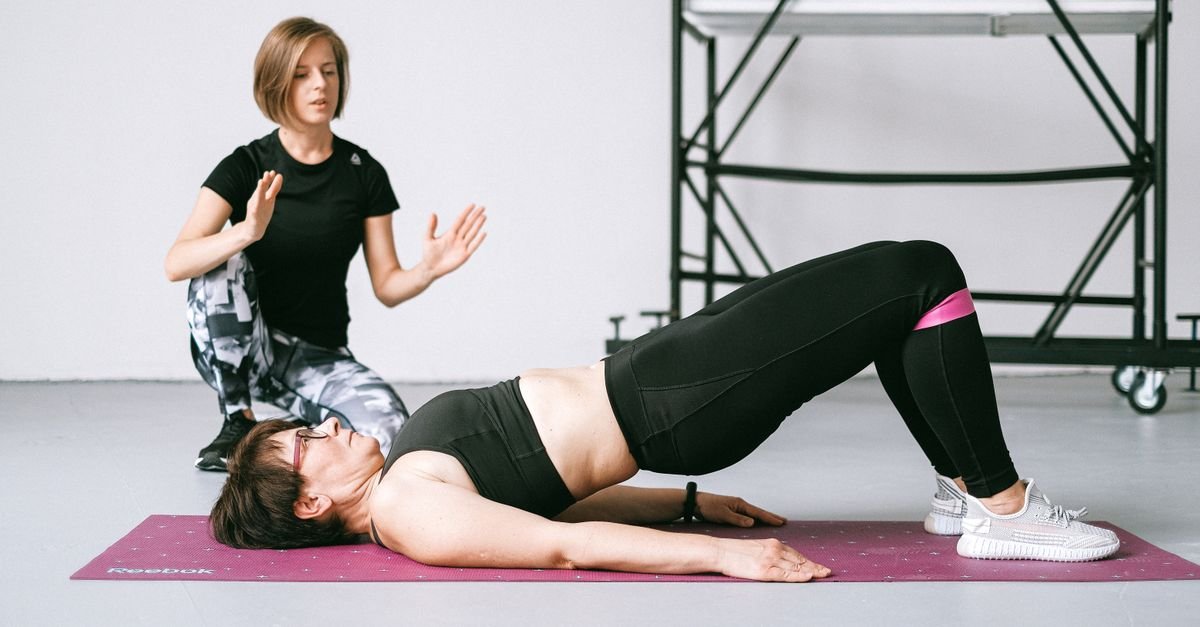
Try exercises like bridges, clamshells, side-lying leg lifts, and standing hip hinges. These build support from the outside in.
The Role of Posture and Alignment
Rib flare, a tucked pelvis, and a forward head can all change pressure in your core. Good posture isn’t about standing like a soldier. It’s about finding a balanced position where your diaphragm, ribs, and pelvis can move freely.
Check your alignment in a mirror. Are your ribs stacked over your pelvis? Are your feet grounded? Can you breathe into your belly without your shoulders rising? Small changes make a big difference.
Common Pelvic Floor Exercises That Go Beyond Squeezing
Here are moves that train coordination, relaxation, and strength. They’re not fancy, but they work.
Heel Slides With Breath
Lie on your back with your knees bent. Exhale as you slowly slide one heel away from you. Keep your pelvis neutral and your low back steady. Inhale as you slide it back. Alternate sides. This teaches your pelvic floor to stay calm while your legs move.
Supported Squat With Exhale
Hold onto a doorframe or sturdy counter. Lower into a squat as you inhale. As you rise, exhale and feel your pelvic floor gently lift. Don’t bear down. Keep your ribs and pelvis aligned. This trains functional strength in a real-life position.
Bird Dog With Pelvic Control
Start on your hands and knees. Extend one arm and the opposite leg. Keep your pelvis level, like you’re balancing a glass of water on your lower back. Breathe steadily. Return and switch sides. This builds core and pelvic floor coordination.
Dead Bug With Rib-Pelvis Connection
Lie on your back with arms and legs up. Lower one arm and the opposite leg toward the floor. Keep your low back steady and exhale as you move. Inhale to return. This teaches your pelvic floor to work with your deep core without holding your breath.
How to Build a Weekly Pelvic Floor Routine
Consistency beats intensity. A short daily practice is better than a long session once a week. Aim for five to ten minutes most days.
Sample 10-Minute Session
- 2 minutes of 360-degree breathing
- 2 minutes of child’s pose or happy baby
- 2 minutes of heel slides with breath
- 2 minutes of supported squats with exhale
- 2 minutes of bird dog or dead bug
You can split this into two five-minute sessions if that fits your day better. Morning and evening works well for many people.
Progressions and Rest Days
Progress by adding reps, changing positions, or increasing load. But don’t rush. Your pelvic floor is a sensitive system. If you feel pain, pressure, or leaking, back off and check your form.
Rest days are when tissues recover. You don’t need to train your pelvic floor every single day at high intensity. Listen to your body.
When to See a Pelvic Floor Physical Therapist
If you have pain, leaking, heaviness, constipation, or difficulty relaxing your pelvic floor, a pelvic floor physical therapist can help. They can assess your muscle tone, coordination, strength, and breathing patterns. They can also use internal or external techniques to release tension and teach you exercises specific to your body.
You don’t need a referral in many places, but check your local rules. Seeing a specialist is not a sign of weakness. It’s a smart shortcut to the right plan.
Conclusion: Strong Is Not the Same as Tight
Pelvic floor exercise goes beyond squeezing because your body is not a simple on-off switch. You need strength, but you also need relaxation, breath, coordination, and whole-body support. You need a pelvic floor that can lift when you need it and let go when you don’t.
So ditch the one-note Kegel routine. Start with awareness. Add breath. Practice letting go. Build functional strength. And if you’re stuck, get help from a pelvic floor physical therapist. Your pelvic floor does a lot for you. Give it the complete training it deserves.
FAQs About Pelvic Floor Exercise
Can pelvic floor exercises make prolapse worse?
They can if you’re doing aggressive squeezing without relaxation or if you’re bearing down with poor breathing. Prolapse needs a balanced approach: support, pressure management, and sometimes a pessary or surgery. A pelvic floor physical therapist can guide you safely.
How often should I do pelvic floor exercises?
Most people benefit from short daily practice. Five to ten minutes of quality work is often enough. If you’re doing strength training for the pelvic floor, two to three focused sessions per week can work well. Always prioritize form over frequency.
Do men need pelvic floor exercise too?
Absolutely. Men have pelvic floor muscles that support bladder and bowel control, sexual function, and core stability. Men can benefit from both strength and relaxation exercises, especially after prostate surgery or with pelvic pain.
Is it possible to exercise your pelvic floor too much?
Yes. Overtraining can lead to tightness, pain, urgency, constipation, and leaking. If your pelvic floor feels constantly clenched or sore, you might need more relaxation and recovery, not more squeezing.
What if I can’t feel my pelvic floor at all?
That’s common, especially after childbirth, surgery, or chronic pain. Start with breathing and gentle awareness. If you still can’t feel it, see a pelvic floor physical therapist. They can help you connect the dots and build a plan that works for your body.



