Table of Contents
- How Poor Sleep Changes Your Exercise Capacity
- The Hidden Cost of a Bad Night’s Sleep
- Why Sleep Is a Performance Enhancer
- The Recovery Equation
- What Happens to Your Body When You Don’t Sleep Well
- Hormonal Shifts: Cortisol, Testosterone, and Growth Hormone
- Inflammation and Muscle Damage
- Nervous System Overdrive
- How Poor Sleep Shrinks Your Exercise Capacity
- Lower Aerobic Endurance
- Reduced Strength and Power
- Slower Reaction Time and Coordination
- Higher Perceived Exertion
- The Brain-Exercise Connection After Sleepless Nights
- Motivation, Mood, and Willpower
- Decision-Making and Pacing
- Risk of Injury
- Sleep Debt: Can You Catch Up Before a Workout?
- Acute vs. Chronic Sleep Loss
- Naps: The Emergency Backup
- Caffeine: A Short-Term Patch, Not a Fix
- What Poor Sleep Does to Your Metabolism During Exercise
- Fuel Use and Blood Sugar
- Appetite and Body Composition
- Special Populations: Athletes, Beginners, and Shift Workers
- Athletes and Performance Peaks
- Beginners and Consistency
- Shift Workers and Circadian Chaos
- How to Protect Your Exercise Capacity When Sleep Is Bad
- Prioritize Sleep Hygiene
- Consistent Wake Time
- Dark, Cool, Quiet Room
- Adjust Your Training Intensity
- Use Recovery Tools Wisely
- Fuel and Hydration Strategies
- Pre-Workout Hydration
- Post-Workout Protein
- When to Skip the Workout
- Building a Sleep-Friendly Training Week
- Sample Weekly Rhythm
- Tracking Sleep and Performance
- Conclusion: Sleep Is Part of Your Training Plan
- FAQs
- How quickly does poor sleep affect exercise capacity?
- Can I still lift weights after 4 hours of sleep?
- Does poor sleep make cardio harder?
- Is it better to sleep in or work out after bad sleep?
- Can naps reverse the effects of poor sleep on exercise?
How Poor Sleep Changes Your Exercise Capacity
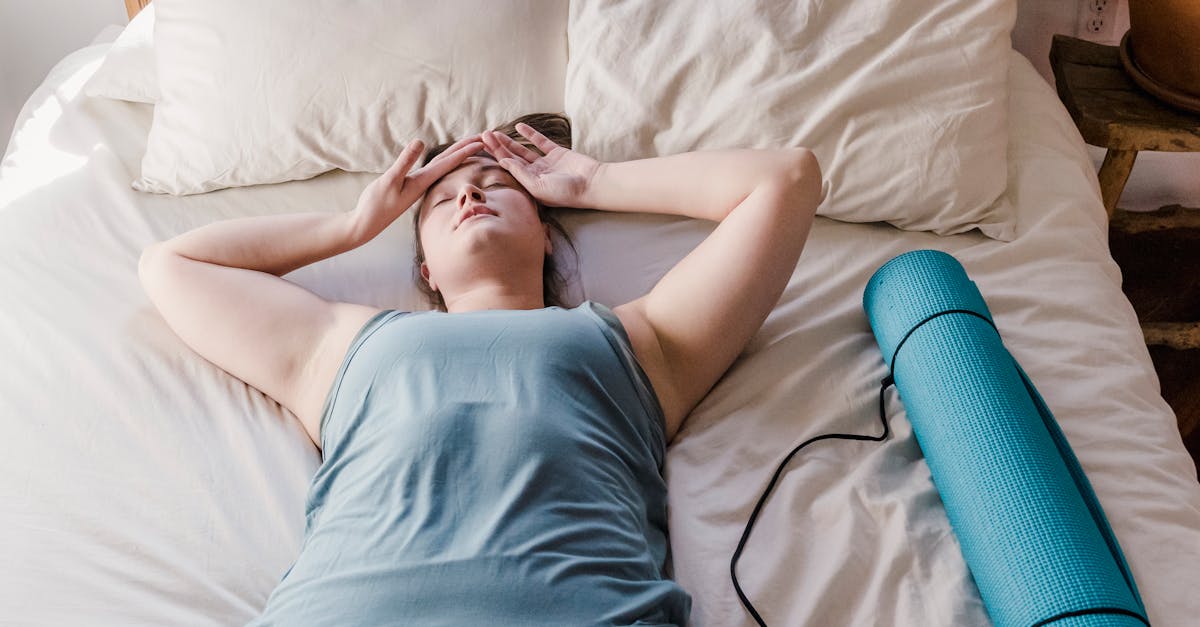
You wake up after a rough night. Maybe you tossed and turned. Maybe you stared at the ceiling while your brain replayed every awkward moment from 2014. Either way, your alarm goes off, and you have a workout planned. You tell yourself you’ll just push through. But something feels off. Your legs are heavy. Your lungs burn sooner. The weights feel like they’re filled with sand. That’s not just in your head. Poor sleep changes your exercise capacity in real, measurable ways.
Sleep isn’t a luxury for people who train. It’s a biological requirement that shapes how your heart, lungs, muscles, hormones, and brain respond to exercise. When sleep suffers, your capacity to perform suffers too. And the changes aren’t minor. They can turn a comfortable run into a grind, a strong lift into a struggle, and a fun workout into a chore you regret.
The Hidden Cost of a Bad Night’s Sleep
Most people think of sleep as downtime. The lights go out, you snore, and then you wake up. But inside your body, sleep is a busy construction site. Tissues get repaired. Hormones get balanced. Memories and motor patterns get stored. Your immune system does maintenance. Your brain clears out metabolic waste. If you skip that construction shift, you’re not just tired. You’re trying to exercise with a body that hasn’t finished its repair work.
Why Sleep Is a Performance Enhancer
Think of sleep as a legal performance-enhancing drug. It boosts recovery, improves reaction time, sharpens focus, and stabilizes mood. During deep sleep, your body releases growth hormone, which helps repair muscle and bone. During REM sleep, your brain consolidates motor skills, which matters for everything from a golf swing to a deadlift. Sleep also lowers resting heart rate and improves heart rate variability, two signs that your nervous system is ready to handle stress.
The Recovery Equation
Exercise is stress. Adaptation happens during recovery. If you train hard and sleep poorly, you’re stacking stress on top of stress. That’s like trying to build a house while someone keeps knocking down the walls. You might still make progress for a while, but eventually the lack of recovery catches up. Your performance stalls. Your motivation drops. Your body starts to break down instead of build up.
What Happens to Your Body When You Don’t Sleep Well
Poor sleep doesn’t just make you yawn. It flips switches inside your body that directly affect how you move, breathe, and recover. Let’s look at the big ones.
Hormonal Shifts: Cortisol, Testosterone, and Growth Hormone
When you don’t sleep enough, cortisol rises. Cortisol is a stress hormone. In short bursts, it’s useful. It helps you wake up and respond to danger. But when it stays high, it becomes catabolic, meaning it breaks down muscle tissue and encourages fat storage. At the same time, testosterone can drop. Testosterone supports muscle repair, bone health, and libido. Growth hormone, which peaks during deep sleep, also takes a hit. Less growth hormone means slower tissue repair and less recovery from tough workouts. In simple terms, poor sleep shifts your body from build mode to breakdown mode.
Inflammation and Muscle Damage
Sleep loss increases inflammatory markers like C-reactive protein and interleukin-6. Some inflammation is normal after exercise. It’s part of the repair signal. But too much inflammation makes soreness last longer and recovery feel sluggish. You might do a light workout and feel like you ran a marathon. That lingering heaviness isn’t imaginary. It’s your body struggling to manage inflammation without enough sleep.
Nervous System Overdrive
Your nervous system has two main modes: fight-or-flight and rest-and-digest. Sleep helps you spend time in rest-and-digest, where recovery happens. Poor sleep keeps you stuck in fight-or-flight. Your sympathetic nervous system stays revved up. Your parasympathetic system doesn’t get enough time to do its job. The result? Higher resting heart rate, lower heart rate variability, and a body that feels wired but tired. When you exercise in that state, you’re adding fuel to a fire that’s already burning.
How Poor Sleep Shrinks Your Exercise Capacity
Exercise capacity is your body’s ability to do physical work. It includes endurance, strength, power, speed, coordination, and how hard the effort feels. Poor sleep touches every single one of those areas.
Lower Aerobic Endurance
Have you ever tried to run after a bad night’s sleep? Your legs feel like lead, and your breathing gets ragged faster. Research backs this up. Sleep deprivation can reduce time to exhaustion, lower VO2 max, and increase heart rate at the same pace. Your heart has to work harder to deliver the same amount of oxygen. Your muscles may also use fuel less efficiently. That means you fatigue sooner, even if you’re mentally ready to push.
Reduced Strength and Power
Strength isn’t just about muscle size. It’s about how well your brain tells your muscles to contract. Sleep loss impairs neuromuscular function. Your peak force drops. Your vertical jump shrinks. Your sprint speed slows. A weight that felt manageable last week suddenly feels glued to the floor. You might blame your muscles, but your nervous system is the one calling the shots, and it’s running on empty.
Slower Reaction Time and Coordination
Reaction time is critical for sports, lifting safely, and even running on uneven ground. When you’re sleep-deprived, your brain processes signals more slowly. Your balance wobbles. Your coordination gets clumsy. You might miss a step, drop a weight, or fail to catch yourself when you trip. That split-second delay can be the difference between a clean rep and an injury.
Higher Perceived Exertion
Perceived exertion is how hard exercise feels to you. After poor sleep, the same workout feels harder. Your brain amplifies discomfort. That 7 out of 10 effort suddenly feels like a 9. You might slow down or quit earlier, not because your body can’t do it, but because your brain is shouting, “Stop!” This is one of the most frustrating changes because it’s invisible to anyone watching.
The Brain-Exercise Connection After Sleepless Nights
Your brain is the command center for every workout. It decides how hard to push, when to back off, and whether to show up at all. Poor sleep scrambles those decisions.
Motivation, Mood, and Willpower
Sleep loss makes the prefrontal cortex, the part of your brain responsible for planning and self-control, work less effectively. Meanwhile, the amygdala, your emotional alarm system, becomes more reactive. That combination makes you irritable, anxious, and unmotivated. The couch starts looking better than the gym. Even if you do train, you might feel grumpy and disconnected. Your workout becomes something to survive rather than enjoy.
Decision-Making and Pacing
Good pacing is a cognitive skill. You need to judge your effort, adjust your speed, and save energy for the end. Sleep deprivation makes those judgments worse. You might start too fast and crash. Or you might hold back too much and underperform. In team sports, you might make poor tactical choices. In the gym, you might misjudge how much weight you can safely handle.
Risk of Injury
Put together slower reaction time, poor coordination, bad decisions, and increased inflammation. What do you get? Higher injury risk. Sleep-deprived athletes are more likely to get hurt. The body’s repair systems are also compromised, so once you’re injured, recovery takes longer. A bad night’s sleep doesn’t just ruin one workout. It can derail weeks of training.
Sleep Debt: Can You Catch Up Before a Workout?
Sleep debt is the difference between how much sleep you need and how much you actually get. It accumulates over time. One night of bad sleep is annoying. A week of bad sleep is a performance problem.
Acute vs. Chronic Sleep Loss
Acute sleep loss is one or two short nights. You might still perform okay, especially if you’re motivated or caffeinated. But your perceived effort rises, and your reaction time drops. Chronic sleep loss is weeks or months of insufficient sleep. That’s when your baseline exercise capacity shrinks. Your hormones stay imbalanced. Your immune system weakens. Your mood tanks. Chronic sleep loss is like training on a sprained ankle every day. You can do it, but you won’t perform at your best.
Naps: The Emergency Backup
A short nap can take the edge off. A 20- to 30-minute nap can improve alertness and reaction time without making you groggy. A 90-minute nap can include deep sleep and REM, which helps recovery and skill consolidation. But naps aren’t a magic fix. They can’t fully erase a week of sleep debt. If you nap too late in the day, you might struggle to fall asleep at night, creating a vicious cycle.
Caffeine: A Short-Term Patch, Not a Fix
Caffeine blocks adenosine, a chemical that makes you feel sleepy. It can boost alertness and even improve endurance performance temporarily. But it doesn’t restore sleep. It doesn’t repair muscle. It doesn’t balance hormones. Too much caffeine can raise heart rate, increase anxiety, and disrupt your next night of sleep. Think of caffeine as a loan. You’re borrowing energy from tomorrow, and the interest rate is high.
What Poor Sleep Does to Your Metabolism During Exercise
Exercise is fueled by a complex mix of carbohydrates and fats. Sleep helps regulate that mix. When sleep is poor, your metabolism gets messy.
Fuel Use and Blood Sugar
Sleep loss reduces insulin sensitivity. That means your cells respond less efficiently to insulin, the hormone that helps move sugar from your blood into your cells. During exercise, you rely on blood sugar and stored glycogen for energy. If insulin sensitivity is poor, your body struggles to regulate fuel. You might feel shaky, tired, or unable to sustain intensity. Your muscles also may not take up glucose as readily, which can lead to earlier fatigue.
Appetite and Body Composition
Poor sleep increases ghrelin, the hunger hormone, and decreases leptin, the fullness hormone. You wake up craving carbs, sugar, and calorie-dense foods. Over time, that can lead to fat gain and muscle loss. It’s not just about willpower. Your hormones are pushing you to eat more. Combine that with lower exercise capacity, and you have a recipe for frustrating body composition changes.
Special Populations: Athletes, Beginners, and Shift Workers
Everyone is affected by poor sleep, but some groups feel it more sharply.
Athletes and Performance Peaks
Elite athletes often need 8 to 10 hours of sleep. When they don’t get it, sprint times slow, reaction time drops, and injury risk rises. Sleep is so important that many pro teams now hire sleep coaches. A single bad night before a competition can wipe out months of training. Athletes can’t afford to treat sleep as optional.
Beginners and Consistency
If you’re new to exercise, recovery is everything. Your body is learning to adapt to new demands. Poor sleep makes workouts feel impossible, which kills consistency. And consistency is the secret sauce for beginners. You don’t need perfect workouts. You need to show up. Sleep helps you show up.
Shift Workers and Circadian Chaos
Shift workers face a unique challenge. Their circadian rhythm, the internal clock that regulates sleep and energy, is constantly disrupted. Exercise capacity varies throughout the day. For night shift workers, the body wants to sleep when it should be awake. Training at the wrong time can feel harder and increase injury risk. Strategic scheduling, naps, and light exposure can help, but shift work remains a tough opponent.
How to Protect Your Exercise Capacity When Sleep Is Bad
You can’t always get perfect sleep. Life happens. But you can make smarter choices when sleep is poor.
Prioritize Sleep Hygiene
Sleep hygiene is a fancy term for habits that support good sleep. It’s not sexy, but it works.
Consistent Wake Time
Go to bed and wake up at the same time every day, even on weekends. Your circadian rhythm loves routine. A consistent wake time is more important than a consistent bedtime because it anchors your internal clock.
Dark, Cool, Quiet Room
Make your bedroom a cave. Blackout curtains, a cool temperature around 65 to 68 degrees Fahrenheit, and white noise can all help. Keep phones and screens out of reach. If you can see the glow of a notification, your brain will want to check it.
Adjust Your Training Intensity
On a bad sleep day, don’t force a personal record. Lower the intensity. Swap a high-intensity interval session for a zone 2 cardio session. Reduce the weight on your lifts. Focus on technique and movement quality. You can still get a beneficial workout without digging a deeper recovery hole.
Use Recovery Tools Wisely
Recovery tools like foam rollers, massage guns, compression sleeves, and cold showers can help you feel better. But they don’t replace sleep. Use them as supplements, not substitutes. A 10-minute mobility session might loosen you up, but it won’t fix your hormones.
Fuel and Hydration Strategies
When you’re sleep-deprived, your body is under stress. Give it what it needs.
Pre-Workout Hydration
Dehydration makes exercise feel harder. Drink water throughout the day. Add electrolytes if you’re sweating heavily. Don’t chug a gallon right before you train, but don’t start your workout dry.
Post-Workout Protein
Protein helps repair muscle. Aim for 20 to 40 grams after your workout. Combine it with carbohydrates to replenish glycogen. Good options include Greek yogurt, chicken, eggs, tofu, or a protein shake.
When to Skip the Workout
Sometimes the best workout is no workout. If you slept less than five hours, have a resting heart rate that’s 10 beats above normal, feel dizzy, nauseous, or feverish, or have zero energy, take a rest day. Do gentle movement like walking or stretching if you feel up to it. Skipping one workout won’t ruin your progress. Pushing through and getting injured or sick will.
Building a Sleep-Friendly Training Week
You can design your week to work with your sleep, not against it.
Sample Weekly Rhythm
- Monday: Strength training, moderate intensity.
- Tuesday: Zone 2 cardio or easy run.
- Wednesday: Rest or mobility work.
- Thursday: Strength training, focus on technique.
- Friday: Intervals or higher intensity, only if sleep has been solid.
- Saturday: Fun activity, hike, bike, or sport.
- Sunday: Rest, meal prep, and early bedtime.
If you sleep poorly on a high-intensity day, swap it with a rest day or easy session. Protect your recovery like you protect your workout.
Tracking Sleep and Performance
Use a sleep tracker or a simple journal. Note your sleep duration, quality, and how your workouts feel. After a few weeks, you’ll see patterns. Maybe your squats always feel heavy after less than seven hours. Maybe your running pace drops after late nights. Data helps you make better decisions.
Conclusion: Sleep Is Part of Your Training Plan
Poor sleep changes your exercise capacity in ways you can feel and measure. It lowers endurance, reduces strength, slows reaction time, increases perceived effort, and raises injury risk. It messes with hormones, inflammation, metabolism, and motivation. You can’t out-train a bad night’s sleep. You can’t out-caffeinate it. You can’t out-discipline it. The only real fix is to prioritize sleep as much as you prioritize your workouts. Treat it like a training session. Schedule it. Protect it. Respect it. Your body will thank you with better performance, faster recovery, and workouts that actually feel good.
FAQs
How quickly does poor sleep affect exercise capacity?
You can feel the effects after just one night of poor sleep. Reaction time slows, perceived exertion rises, and endurance may drop slightly. After several nights, strength, power, and motivation take bigger hits.
Can I still lift weights after 4 hours of sleep?
You can, but you should lower the intensity. Focus on lighter weights, higher reps, and perfect form. Avoid maxing out or trying new personal records. If you feel dizzy or shaky, stop and rest.
Does poor sleep make cardio harder?
Yes. Poor sleep raises heart rate at the same pace, reduces time to exhaustion, and makes the effort feel harder. Your muscles also use fuel less efficiently, so you fatigue sooner.
Is it better to sleep in or work out after bad sleep?
It depends. If you can sleep in and still fit your workout later, sleep is usually the better choice. If you must choose, a short, easy workout can help you feel more alert, but don’t push hard. Prioritize sleep when possible.
Can naps reverse the effects of poor sleep on exercise?
Naps can help. A 20- to 30-minute nap improves alertness and reaction time. A 90-minute nap can support recovery and skill learning. But naps are a patch, not a cure. They won’t fully erase chronic sleep debt.