Table of Contents
- Why Do Your Hands Swell on Long Walks?
- The Short Answer: It’s Usually Gravity and Circulation
- What Exactly Happens Inside Your Hands?
- Blood Pools When Your Arms Hang Down
- Your Body’s Fluid Balance Gets a Workout
- Heat, Sweat, and Sodium: A Tricky Trio
- The Role of Your Muscles During a Long Walk
- The Calf Muscle Pump vs. Your Quiet Hands
- Why Swinging Your Arms Can Help—or Hurt
- Other Common Causes of Hand Swelling on Walks
- Tight Clothing and Accessories
- Dehydration and Electrolyte Shifts
- Hyponatremia: When Drinking Too Much Water Backfires
- Arthritis, Lymphedema, and Other Medical Conditions
- Why One Hand Swells More Than the Other
- Dominant Hand, Injury, or Compression
- Signs It’s Not Just a Normal Walk
- How to Prevent Swollen Hands on Long Walks
- Move Your Arms Differently
- Adjust Your Hydration and Electrolytes
- Upgrade Your Gear
- Use Compression and Elevation
- Quick Remedies During and After a Walk
- During the Walk
- Raise Your Hands Above Your Heart
- Open and Close Your Fists
- After the Walk
- Elevate and Stretch
- Hydrate Wisely
- When Should You Worry About Swollen Hands?
- Red Flags to Take Seriously
- Conditions Your Doctor May Check
- How to Talk to Your Doctor About Hand Swelling
- Conclusion: Listen to Your Hands
- FAQs About Hands Swelling on Long Walks
Why Do Your Hands Swell on Long Walks?
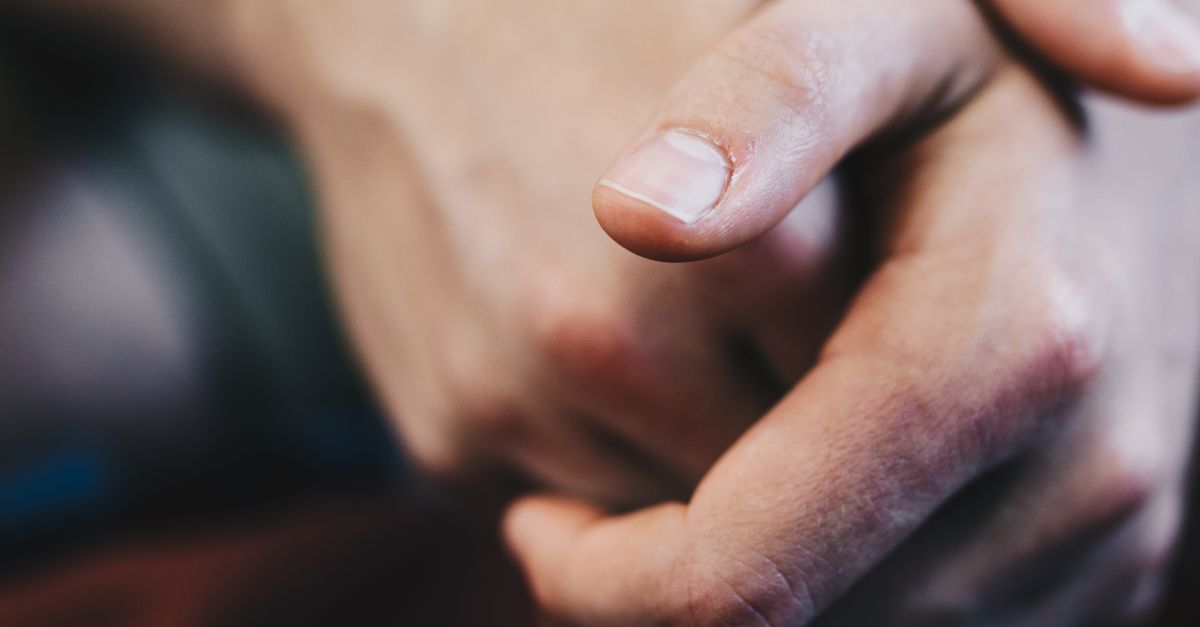
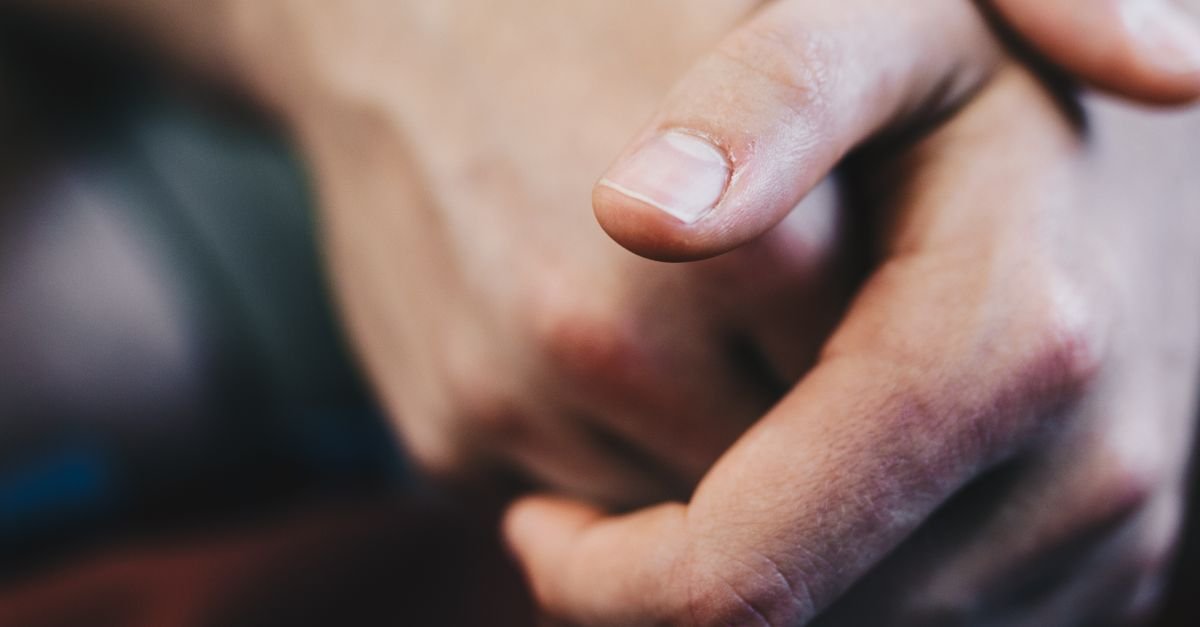
You’re five miles into a gorgeous walk. Your legs feel strong, your breathing is steady, and then you look down. Your fingers look like little sausages. Your rings feel tight. Your hands feel puffy, heavy, and weirdly warm. What gives? You didn’t slam them in a door or get stung by a bee. So why do your hands swell on long walks?
The good news is that swollen hands during or after a long walk are usually harmless. They’re your body’s way of managing blood flow, gravity, heat, and fluid balance while you keep moving. But “usually harmless” doesn’t mean you should ignore it forever. Sometimes swelling is a signal that something else is going on. Let’s unpack the common causes, the easy fixes, and the red flags worth paying attention to.
The Short Answer: It’s Usually Gravity and Circulation
When you walk, your heart pumps blood to your working muscles. Your legs get a lot of attention. Your hands? Not so much. If your arms are hanging down by your sides, gravity pulls blood and fluid toward your fingertips. Your hands are at the end of the line, like the last house on a dead-end street. Fluid can pool there, especially when your fingers aren’t moving much.
Your circulatory system is a closed loop, but it’s not a perfect pressure system. Blood vessels widen and narrow all day long. During exercise, your body sends more blood to your skin to cool you down. That’s why your hands can feel warm and look puffy. Add heat, sweat, and a swinging motion, and you’ve got the perfect recipe for temporary swelling.
What Exactly Happens Inside Your Hands?
Your hands are packed with tiny blood vessels, lymph channels, tendons, and nerves. They’re delicate instruments, not designed to hang like heavy ropes for hours. When fluid builds up in the soft tissue, it creates that puffy, tight feeling. It’s not necessarily extra fat or muscle. It’s fluid shifting into the spaces between cells.
Blood Pools When Your Arms Hang Down
Think of your veins as rivers flowing back to the heart. When your arms dangle downward, those rivers have to flow uphill. Your veins have one-way valves to help, but they need muscle contractions to push blood along. If your hands are relaxed and still, the blood can linger. That’s called venous pooling. It’s the same reason your feet can swell after standing for a long time.
Your Body’s Fluid Balance Gets a Workout
Walking changes your fluid balance. Your body shifts plasma out of your blood vessels and into your tissues. Some of that is normal. Hormones like aldosterone and ADH also kick in to help you hold onto water and sodium when you sweat. That’s a survival mechanism, but it can make your hands look puffy. Your body is trying to keep your blood pressure stable while you exercise.
Heat, Sweat, and Sodium: A Tricky Trio
Hot weather makes your blood vessels open wide, a process called vasodilation. That helps you release heat, but it also moves more blood to your skin. Sweat pulls water and electrolytes out of your body. If you lose a lot of sodium, your body may hold onto water in strange places. Your hands can become swollen because the balance between water and salt is temporarily off.
The Role of Your Muscles During a Long Walk
Your muscles are more than movers. They’re also pumps. Every step you take squeezes the veins in your legs, pushing blood back to your heart. That’s why walking is good for circulation. But your hands don’t get the same workout. If you’re not swinging your arms or gripping trekking poles, your hand muscles are mostly idle. No muscle pump means less fluid movement.
The Calf Muscle Pump vs. Your Quiet Hands
Your calves are like a second heart. They contract with every step, forcing blood upward. Your hands, by contrast, are like quiet neighbors who never return the lawnmower. If your arms are still, fluid can settle. The contrast between your hardworking legs and your relaxed hands explains why your legs might feel fine while your fingers look inflated.
Why Swinging Your Arms Can Help—or Hurt
Arm swing can help circulation. When your arms move, your muscles gently squeeze the veins and lymph vessels. But if you swing your arms in a stiff, repetitive way, you might irritate tissues or compress blood vessels. Holding your arms in one position, like bent at the elbow, can also restrict flow. So movement is good, but variety is better.
Other Common Causes of Hand Swelling on Walks
Gravity and circulation are the big players, but they’re not the only ones. Your gear, your hydration, and even your medical history can all influence how puffy your hands get. Let’s look at the usual suspects.
Tight Clothing and Accessories
Rings, watches, and wristbands can act like tiny tourniquets. If they’re already snug, swelling will make them tighter. That can restrict blood flow and lymph drainage, making the swelling worse. Tight sleeves or gloves can do the same. Remember: your hands may swell slightly during a walk, so your accessories should have a little wiggle room.
Dehydration and Electrolyte Shifts
You might think dehydration would make you look shriveled, not swollen. But dehydration can trigger fluid shifts. When you’re low on water, your body releases hormones that tell your kidneys to hold onto sodium and water. That can cause puffiness in your extremities. Low potassium or magnesium can also affect fluid balance and nerve function.
Hyponatremia: When Drinking Too Much Water Backfires
Yes, you can drink too much water. If you replace sweat with plain water but don’t replace sodium, your blood sodium levels can drop. That condition is called hyponatremia. It can cause swelling in your hands, confusion, nausea, and even seizures in severe cases. Long walkers, hikers, and marathoners need to balance water with electrolytes, not just chug a gallon of H2O.
Arthritis, Lymphedema, and Other Medical Conditions
Some medical conditions make hand swelling more likely. Arthritis can cause joint inflammation and fluid buildup. Lymphedema happens when lymph fluid can’t drain properly, often after surgery or radiation. Heart, kidney, or liver problems can also cause fluid retention. If your hands swell regularly, even when you’re not walking, it’s worth a doctor’s visit.
Why One Hand Swells More Than the Other
It’s common for one hand to puff up more than the other. Maybe you carry a water bottle in that hand. Maybe your watch is tighter on that wrist. Maybe you had an old injury that affects your circulation or lymph drainage. Your body isn’t perfectly symmetrical, so swelling doesn’t have to be either.
Dominant Hand, Injury, or Compression
Your dominant hand does more work. It might grip a pole, hold a leash, or swing with more force. That extra activity can increase blood flow and fluid shifts. A past injury, surgery, or scar tissue can also change how fluid moves. Even sleeping on one side can make that hand a little puffier before you start walking.
Signs It’s Not Just a Normal Walk
Normal walk-related swelling is usually mild, temporary, and painless. It goes down within an hour or so after you stop and elevate your hands. If one hand is suddenly very swollen, red, hot, or painful, that’s not normal. It could be an infection, blood clot, or injury. Trust your gut—and get medical help.
How to Prevent Swollen Hands on Long Walks
You don’t have to accept sausage fingers as part of every walk. A few simple tweaks can keep your hands feeling normal while you rack up the miles. Think of these as small investments in comfort.
Move Your Arms Differently
Change your arm position every few minutes. Bend your elbows, raise your hands, or clasp your hands behind your back for a bit. If you use trekking poles, switch up your grip. Swing your arms naturally instead of locking them in one position. Movement helps your veins and lymph vessels push fluid back toward your heart.
Adjust Your Hydration and Electrolytes
Drink to thirst, but don’t drown yourself. If you’re walking for more than an hour in the heat, consider an electrolyte drink or a pinch of salt in your water. Balance matters. You want enough fluid to stay hydrated and enough sodium to keep your blood chemistry steady. A sports drink isn’t magic, but it can help prevent hyponatremia and fluid shifts.
Upgrade Your Gear
Loosen your rings before a long walk. Wear a watch or fitness tracker with a comfortable band. Choose gloves that fit well but aren’t tight. If you carry a water bottle, switch hands occasionally. Small gear changes can make a big difference in how your hands feel after mile ten.
Use Compression and Elevation
Compression gloves or sleeves can help support circulation and reduce swelling. You don’t need medical-grade compression unless a doctor recommends it. Elevating your hands above your heart for a few minutes during breaks can also help. Think of it as giving gravity a timeout.
Quick Remedies During and After a Walk
If your hands are already puffy, don’t panic. There are simple ways to coax the fluid back where it belongs. Try these during your walk and after you finish.
During the Walk
Take a short break every 30 to 45 minutes. Use that time to move your hands, stretch your fingers, and shake out your arms. You can also make gentle fists and release them repeatedly. That mimics a muscle pump and helps move fluid.
Raise Your Hands Above Your Heart
Lift your hands above your head for 30 to 60 seconds. You can do this while standing still or even while walking if the path is safe. Gravity will help drain some of the pooled fluid. It might feel silly, but it works.
Open and Close Your Fists
Make a fist, then spread your fingers wide. Repeat 10 to 15 times. This simple motion contracts the muscles in your hands and forearms, encouraging blood and lymph to move. It’s like pumping a manual water pump.
After the Walk
Once you’re done, give your hands a little recovery time. Don’t immediately sit with your arms hanging down for an hour. Prop them up, stretch, and hydrate. Your hands will thank you.
Elevate and Stretch
Sit down and rest your hands on a pillow above heart level. Hold for 10 to 15 minutes. Gently stretch your fingers, wrists, and forearms. A few slow circles with your wrists can help circulation without stressing your joints.
Hydrate Wisely
Drink water, but include electrolytes if you sweated a lot. A banana, a handful of salty crackers, or a sports drink can help restore balance. Avoid alcohol right after a long walk—it can worsen dehydration and fluid shifts.
When Should You Worry About Swollen Hands?
Most hand swelling on walks is benign. But sometimes it’s a clue to something more serious. How do you know the difference? Pay attention to how long it lasts, how severe it is, and whether other symptoms show up.
Red Flags to Take Seriously
Seek medical attention if your swelling is sudden, severe, or one-sided. Also watch for redness, warmth, pain, numbness, or tingling. If you have trouble breathing, chest pain, or swelling in your lips or tongue, call emergency services. Those can be signs of an allergic reaction or a blood clot.
Conditions Your Doctor May Check
Your doctor might check for heart, kidney, or liver issues. They may also look at thyroid function, lymph drainage, or vein problems. Blood tests, ultrasound, and physical exams can help rule out serious causes. If swelling happens often, keep a diary of when it occurs and what you were doing.
How to Talk to Your Doctor About Hand Swelling
Be specific. Tell your doctor when the swelling started, how long it lasts, and whether it’s linked to walking, heat, or certain foods. Mention any medications you take, since some can cause fluid retention. Bring photos of your swollen hands if they look normal at the appointment. Your doctor can connect the dots better with clear details.
Conclusion: Listen to Your Hands
Swollen hands on long walks are usually your body’s normal response to gravity, heat, and fluid shifts. Your hands hang low, your muscles aren’t pumping much, and your blood vessels are working hard to cool you down. The result? Puffy fingers and tight rings. It’s annoying, but it’s rarely dangerous.
The fix is often simple: move your arms, loosen your gear, hydrate with electrolytes, and elevate your hands when you take a break. If swelling becomes severe, painful, one-sided, or doesn’t go away, talk to a doctor. Your hands are your tools, your sense of touch, and your connection to the world. Treat them well, and they’ll keep carrying you mile after mile.
FAQs About Hands Swelling on Long Walks
1. Is it normal for hands to swell during a long walk?
Yes, mild swelling is common. Gravity, heat, and reduced muscle pumping in your hands can cause fluid to pool. It usually goes away within an hour after you stop and elevate your hands.
2. How do I stop my hands from swelling while walking?
Move your arms often, loosen rings and watches, use trekking poles or swing your arms naturally, and take breaks to raise your hands above your heart. Hydrate with electrolytes if you’re sweating a lot.
3. Can dehydration cause swollen hands?
Yes. Dehydration can trigger hormone changes that make your body hold onto water and sodium, leading to puffiness. Low electrolytes can also affect fluid balance.
4. When should I see a doctor for swollen hands after walking?
See a doctor if swelling is severe, painful, red, hot, one-sided, or doesn’t improve with rest and elevation. Also seek help if you have chest pain, shortness of breath, or swelling in your face or throat.
5. Do compression gloves help with hand swelling on walks?
They can help some people by supporting circulation and reducing fluid buildup. Make sure they fit properly and aren’t too tight. If you have a medical condition, ask your doctor before using compression.