Table of Contents
- Why Your Build Changes the Deadlift
- Quick Anatomy of a Deadlift
- Conventional vs. Sumo: The Big Question
- Lever Lengths: The Hidden Blueprint
- Mobility Matters More Than Measurements
- Deadlift Variations by Body Type
- Trap Bar Deadlift: The Friendly Giant
- Romanian Deadlift: Hamstrings, Hips, and Control
- Deficit Deadlift: For Pullers Who Need Off-the-Floor Power
- Block Pulls and Rack Pulls: Lockout Specialists
- Snatch-Grip Deadlift: Wide Grip, Long Range
- How to Test a Variation Without Wrecking Your Back
- Programming Your Chosen Variation
- Common Mistakes When Choosing a Deadlift Variation
- When to Switch Variations
- Conclusion
- FAQs
Find a Deadlift Variation That Fits Your Build
Deadlifts look simple from the outside. You walk up to a loaded bar, hinge down, grab it, and stand up. But if you have ever felt like the bar is glued to the floor, your lower back is doing all the talking, or your hips shoot up before the plates even move, you already know the truth: not every deadlift variation fits every body. Your build—your limb lengths, torso length, hip width, and mobility—quietly decides which pull feels smooth and which one feels like a fight.
So why keep forcing a square peg into a round hole? Let’s find a deadlift variation that actually fits your build. You do not need to copy the strongest person in your gym. You need to understand your own levers and pick the pull that lets you train hard, stay healthy, and add weight to the bar.
Why Your Build Changes the Deadlift
A deadlift is a physics problem wearing a tank top. The bar has to travel from the floor to your hips. Your body has to generate force, keep balance, and keep your spine in a safe position. Every inch of your arm, femur, tibia, and torso changes how much work your hips, knees, and back must do.
Think of it like moving a heavy couch through a doorway. If you are tall with long arms, you might tip it and slide it with ease. If you are short with a long torso, you might need to squat lower and push differently. Same couch, different bodies, different strategies. The deadlift is no different. A variation that feels natural for one lifter can feel like a awkward mess for another.
That is why “just conventional deadlift” is incomplete advice. It is a starting point, not a life sentence. Your build matters, and your training should respect it.
Quick Anatomy of a Deadlift
Before you pick a variation, picture what actually happens. Your feet press the floor. Your hips hinge back. Your knees bend slightly. Your arms hang like ropes and hold the bar. Your torso braces. Then your hips and knees extend together to lock out.
The key players are your glutes, hamstrings, spinal erectors, quads, lats, and grip. But the leverage between those muscles is what changes from person to person. A long femur creates a longer lever arm. A short arm means the bar starts lower relative to your hips. A wide ribcage can change your setup angle. A deep hip socket can limit how wide you can pull.
So when a deadlift feels bad, it is often not because you are weak. It is because the bar path, your joint angles, and your muscle lengths are not lining up well. The fix is not always “try harder.” Sometimes it is “try a different variation.”
Conventional vs. Sumo: The Big Question
Most lifters start with conventional and eventually wonder about sumo. Both are legitimate. Both build strength. But they demand different things from your build and mobility.
Conventional Deadlift
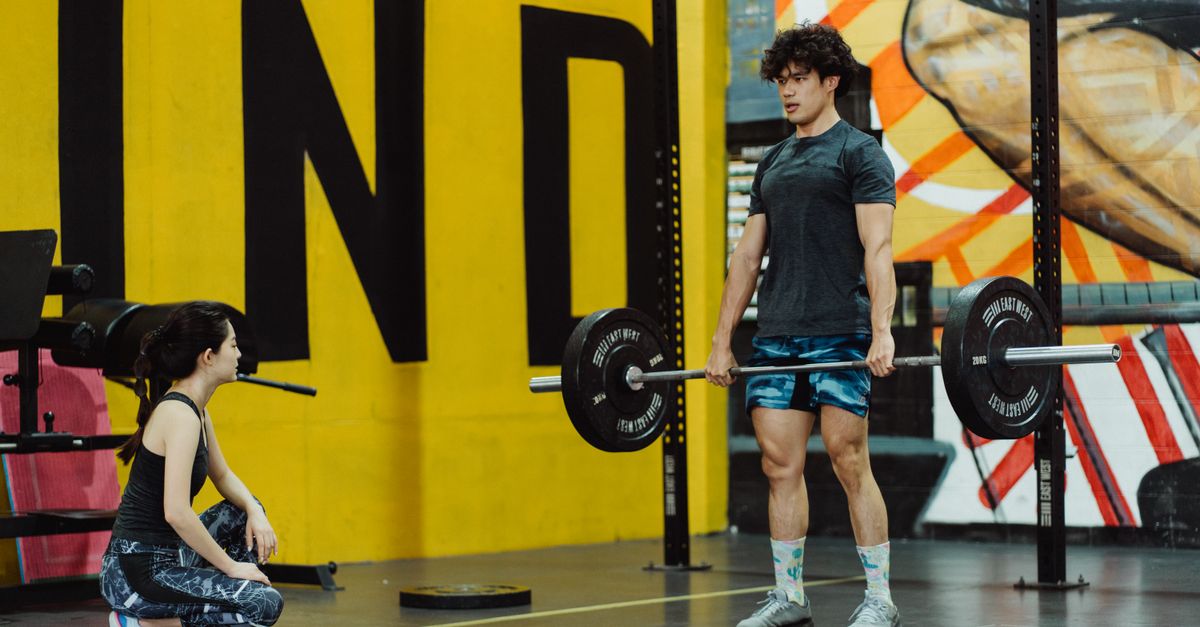
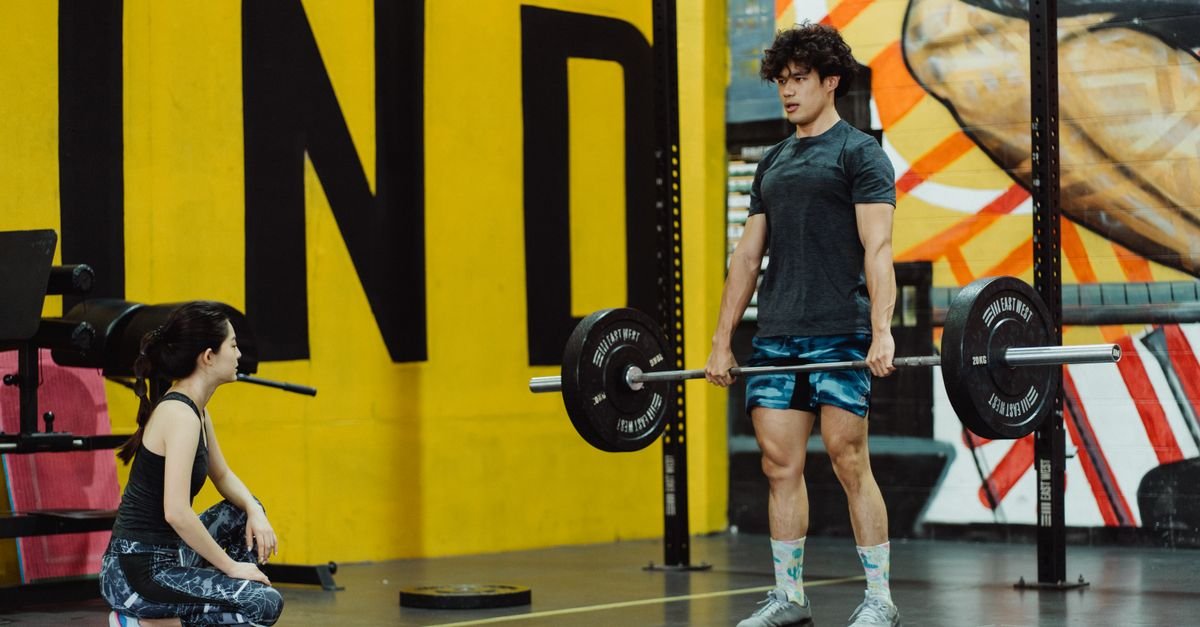
In a conventional deadlift, your feet sit about hip-width apart, and your hands are outside your knees. You hinge more at the hips, and your torso leans forward. This variation rewards long arms, a long torso, and strong spinal erectors. If you have short arms or a very long femur, conventional can feel like you are folding yourself into a pretzel just to reach the bar.
Conventional is great for lifters who can get their hips high without rounding their back. It teaches you to drive through the floor and use your posterior chain. But if your lower back complains every single session, it may not be your best friend.
Sumo Deadlift
In a sumo deadlift, your feet are wide, toes turned out, and your hands are inside your knees. Your torso stays more upright. This variation rewards wide hips, short arms, and good hip mobility. It shortens the range of motion and shifts more demand to your quads and glutes.
Sumo can be a game-changer for lifters who struggle to reach the bar conventionally. But it is not magic. If your hips cannot open wide enough, you will end up rounding your back or pushing through your knees. Sumo demands patience, technique, and mobile hips.
Lever Lengths: The Hidden Blueprint
Lever lengths are the quiet architects of your deadlift. You cannot change them, but you can choose a variation that works with them instead of against them.
Long Femurs and Short Torso
If you have long femurs and a short torso, conventional deadlifts can feel brutal. Your hips sit high, your torso leans far forward, and the bar wants to drift away from you. You may feel like you are doing a stiff-leg deadlift even when you are trying to set up normally.
For this build, sumo often feels better because it lets you sit back and down while staying more upright. Trap bar deadlifts are also a great fit because the neutral grip and centered load reduce the forward pull. Block pulls can help too, since they shorten the range and let you start from a stronger position.
Short Femurs and Long Torso
Short femurs and a long torso often make conventional deadlifts feel natural. You can get your hips down, keep your chest up, and reach the bar without folding in half. Your setup looks compact and powerful. Sumo may still work, but conventional often gives you a clear advantage.
If this is your build, do not overcomplicate things. Build your base with conventional pulls. Add Romanian deadlifts for hamstring control. Use deficit deadlifts carefully if you want more off-the-floor strength. You probably do not need to force sumo just because it looks cool on social media.
Arm Length and Lockout
Long arms are a gift in the deadlift. They let you start with your hips higher and reduce the distance the bar must travel. Short arms mean you start lower, which can make the floor pull harder and the lockout more grindy. If your arms are short, sumo or trap bar variations can help by shortening the range and keeping your torso more upright.
Lockout is another clue. If you can break the floor but cannot finish, rack pulls or block pulls can train that top range. If you can lock out easily but cannot budge the bar, deficit deadlifts or speed pulls from the floor may be your medicine.
Mobility Matters More Than Measurements
You can have perfect levers and still fail a deadlift variation because your joints will not go where the technique demands. Mobility is the gatekeeper. Ankle dorsiflexion, hip internal rotation, hip flexion, thoracic extension, and hamstring flexibility all shape your setup.
Can you get your hips wide enough for sumo without your knees caving? Can you hinge to the bar without rounding your lower back? Can you keep your chest up in conventional without falling backward? These questions matter more than a tape measure.
Here is the good news: mobility can improve. But until it does, choose a variation that fits the body you have today, not the body you hope to have in six months. Training should build you up, not break you down.
Deadlift Variations by Body Type
Let’s get practical. Use these body-type guides as starting points, not rigid rules. Your best variation is the one you can load heavy, recover from, and repeat week after week.
For Long-Limbed Lifters
Long limbs mean long levers. You often have a big range of motion and a high hips setup. Conventional deadlifts can work if you have long arms and a strong back, but they can also expose your lower back. Sumo, trap bar, and block pulls are often friendlier.
Try this: use sumo as your main pull if your hips allow it. Add trap bar deadlifts for volume. Use Romanian deadlifts to build hamstrings and control. Avoid excessive deficit work until your technique is rock solid.
For Short-Limbed, Stocky Lifters
Short limbs can be a superpower. You often have a shorter range of motion and a compact setup. Conventional deadlifts may feel strong and stable. Sumo can also work if your hips are mobile, but you may not need it to shorten the pull.
Try this: make conventional your bread and butter. Add deficit deadlifts to build off-the-floor power. Use pause deadlifts to improve position. Do not assume you need sumo just because you are short. Test both and trust the bar speed.
For Lifters with Back Issues
If your lower back flares up easily, you need a variation that keeps your spine in a safer position. Trap bar deadlifts are often a top choice because the load is centered and the neutral grip reduces forward lean. Rack pulls can limit range of motion. Sumo may help if you can stay upright.
But do not use back pain as an excuse to avoid all hinge work. You still need strong glutes, hamstrings, and spinal erectors. Just choose variations that let you train those muscles without provoking symptoms. Work with a coach or clinician if pain is persistent.
For Tall Lifters
Tall lifters often struggle with conventional deadlifts because the bar has to travel farther and the torso leans more. Your hips start high, and your lower back takes a beating. Sumo can be a lifesaver. Trap bar deadlifts also shine because they reduce the forward moment arm.
Try this: prioritize sumo and trap bar variations. Use block pulls to train heavy without full range. Add front squats or belt squats to build quads without loading your spine. Be patient with your setup. Tall lifters often need more time to find their groove.
For Short Lifters
Short lifters often have a mechanical advantage in the deadlift. The bar does not travel as far, and your setup can be very efficient. Conventional deadlifts are usually a great fit. Sumo can work too, but you may need to work on hip mobility to get wide enough.
Try this: build your strength with conventional pulls. Use Romanian deadlifts for hamstring hypertrophy. Add speed pulls for explosiveness. Do not overthink it. If it is not broken, do not fix it.
Trap Bar Deadlift: The Friendly Giant
The trap bar deadlift is the Swiss Army knife of pulling variations. You stand inside the bar, grab the neutral handles, and lift. The load is centered, which reduces stress on your lower back and lets you stay more upright. For many lifters, it feels like a hybrid between a deadlift and a squat.
Who is it for? Almost everyone. Tall lifters love it. Lifters with back issues often tolerate it well. Athletes use it to build strength with less technical demand. If you want a deadlift variation that fits your build without a steep learning curve, the trap bar is a fantastic choice.
Just remember: it is still a hinge. Do not turn it into a sloppy squat. Brace your core, push the floor away, and lock out with your glutes.
Romanian Deadlift: Hamstrings, Hips, and Control
The Romanian deadlift, or RDL, starts from the top and lowers the bar with control. You push your hips back, keep a slight bend in your knees, and feel a deep stretch in your hamstrings. It is not a max-effort lift. It is a builder.
RDLs are perfect for lifters who need more posterior chain strength. If your conventional deadlift stalls at the knees, your hamstrings may be the weak link. If your lower back rounds early, RDLs teach you to brace and hinge properly. They also fit almost any build because you can adjust the range of motion to your flexibility.
Use them as an accessory after your main pulls. Keep the weight moderate. Chase the stretch, not the ego.
Deficit Deadlift: For Pullers Who Need Off-the-Floor Power
The deficit deadlift has you standing on a plate or platform, which increases the range of motion. This forces you to get stronger in the bottom position. If you can lock out heavy weights but cannot break the floor, deficits can help.
But be careful. Deficit deadlifts are not for everyone. Tall lifters and long-limbed lifters may find them brutal on the lower back. If your mobility is limited, the deficit can push you into a rounded position. Start with a small deficit—one inch or less—and only add more if your technique stays perfect.
Think of deficits as a scalpel, not a sledgehammer. Use them for a few weeks, then return to your main pull.
Block Pulls and Rack Pulls: Lockout Specialists
Block pulls and rack pulls shorten the range of motion by starting the bar higher off the floor. They let you overload the top half of the deadlift. If your lockout is weak, these variations can build confidence and strength.
They are also friendly to lifters who struggle with the floor. Tall lifters, long-limbed lifters, and anyone with back sensitivity may find block pulls easier to tolerate. But do not live there forever. You still need to train the full range if you want a complete deadlift.
Use block pulls for heavy singles or triples. Keep your setup tight. Do not let the shorter range turn into a sloppy hitch.
Snatch-Grip Deadlift: Wide Grip, Long Range
The snatch-grip deadlift uses a wide grip, similar to a snatch. This increases the range of motion and demands more upper back and grip strength. It is a humbling variation that builds resilience.
Who should try it? Lifters with good mobility and a strong upper back. It can help conventional pullers who need more off-the-floor power and a stronger start. But if you have short arms or limited shoulder mobility, it may feel awkward and uncomfortable.
Use it as a secondary variation, not your main lift. Keep the weight moderate and focus on keeping your lats tight.
How to Test a Variation Without Wrecking Your Back
You do not need to max out to know if a variation fits. Here is a simple test:
- Warm up thoroughly with light weight.
- Do 3 to 5 reps with about 60 to 70 percent of your usual deadlift.
- Film your set from the side.
- Check your setup, bar path, and lower back position.
- Ask yourself: Does this feel smooth? Can I brace? Do my hips and shoulders move together?
- Rate your perceived effort. If it feels harder than it should, the variation may not fit.
Give each variation at least two or three sessions before you judge it. Sometimes a new pattern feels weird at first. But if it still feels wrong after a few weeks, move on. There is no prize for forcing a bad fit.
Programming Your Chosen Variation
Once you find a variation that fits, build around it. Here is a simple template:
- Main pull: Your best-fit variation. Train it heavy for 3 to 5 sets of 3 to 6 reps.
- Secondary pull: A variation that targets your weak point. Use 3 sets of 6 to 10 reps.
- Accessory: RDLs, good mornings, rows, or split squats. Keep the reps moderate.
- Recovery: Sleep, protein, and stress management. Your program only works if you recover.
Do not change variations every week. Give your body time to adapt. Stick with one main pull for at least 6 to 8 weeks. Then reassess. If your numbers are climbing and your back feels good, keep going. If not, switch.
Common Mistakes When Choosing a Deadlift Variation
Lifters make the same mistakes over and over. Here are the big ones:
- Copying someone else’s build. Your training partner’s sumo PR does not mean sumo is right for you.
- Ignoring pain. Discomfort is information. Sharp pain is a stop sign.
- Switching too often. You cannot master a variation if you change it every two weeks.
- Chasing range of motion. A deficit or snatch-grip pull is not better if it wrecks your form.
- Neglecting accessories. Your main pull is only as strong as the muscles supporting it.
Fix these, and you will save yourself months of frustration.
When to Switch Variations
Switching variations is not quitting. It is problem-solving. Switch when:
- Your technique breaks down consistently under heavy loads.
- You feel pain that does not improve with rest or form adjustments.
- Your progress has stalled for several weeks despite good programming.
- Your body proportions make the variation feel like a constant battle.
You can also rotate variations for fun and freshness. Just keep one main pull long enough to see progress. Think of it like a relationship: do not break up over one bad date. But if it is toxic, leave.
Conclusion
Finding a deadlift variation that fits your build is not about taking the easy way out. It is about working smarter with the body you actually have. Your limb lengths, torso length, hip width, and mobility all influence which pull feels strong and sustainable. Conventional, sumo, trap bar, RDL, deficit, block pull, and snatch-grip all have a place—but not every place is for every person.
Test variations with light weight. Film your sets. Pay attention to how your back, hips, and knees feel. Then commit to the one that lets you train hard without dreading the bar. The best deadlift variation is the one you can improve on for years, not the one that looks best on Instagram. So go ahead—find your fit, load the bar, and pull with confidence.
FAQs
1. How do I know if conventional or sumo is better for my build?
Try both with moderate weight and film your sets. Conventional usually suits longer arms and torsos, while sumo often suits wider hips, shorter arms, and lifters who struggle to reach the bar. The better variation lets you keep a neutral spine, brace hard, and feel strong off the floor.
2. Can I build a big deadlift with only the trap bar?
Yes, you can build serious strength with the trap bar. It is easier to learn and often kinder to the lower back. However, if your goal is a barbell deadlift PR, you should still train the barbell variation regularly. Use the trap bar as a supplement, not a complete replacement.
3. Are deadlift variations based on body type permanent?
Not necessarily. Your levers do not change, but your mobility, technique, and strength can improve. A variation that feels impossible today might feel great in six months. Re-test occasionally, but do not force a change if your current pull is working.
4. What if my deadlift variation causes lower back pain?
Stop and assess. Pain is not a badge of honor. Check your setup, bracing, and bar path. Try a more back-friendly variation like the trap bar or block pull. If pain persists, see a qualified coach or healthcare professional. Do not push through sharp pain.
5. How often should I change my deadlift variation?
Keep your main variation for at least 6 to 8 weeks. Change accessories or secondary pulls more often if needed. If progress stalls, technique breaks down, or pain appears, switch sooner. Otherwise, stay consistent and let adaptation happen.