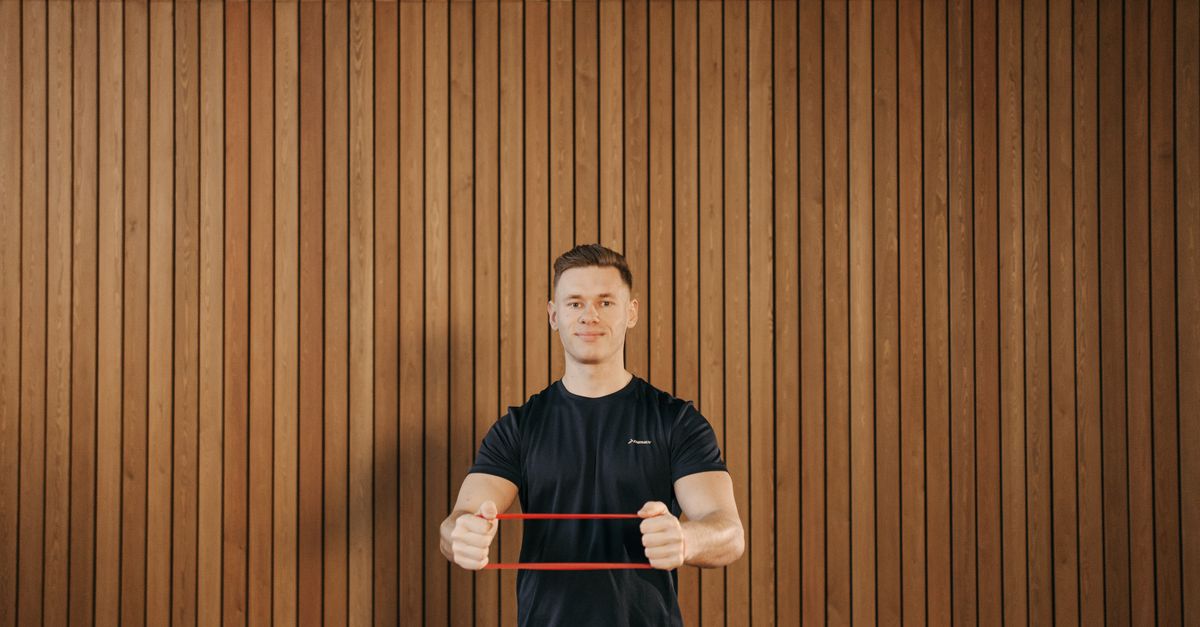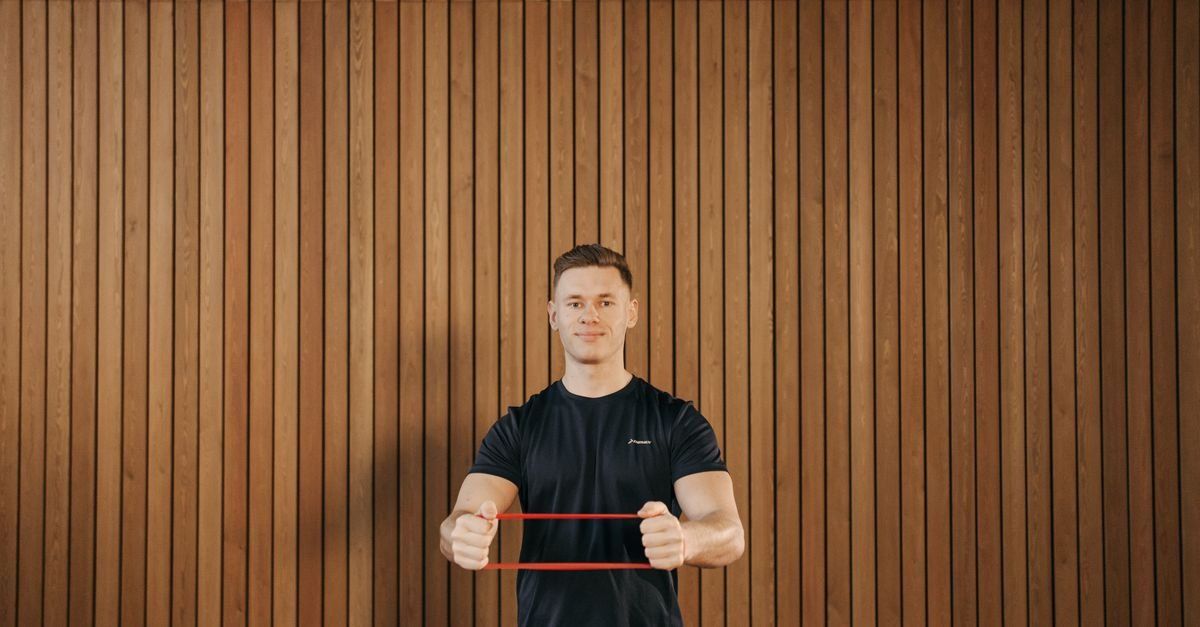
Picture this: you’re standing in a doorway, arms pressed against the frame, pushing with everything you’ve got. Nothing moves. Not your arms, not the doorframe, not an inch of your body. Ten seconds pass. Your muscles are shaking, sweat is forming on your forehead, and yet you haven’t moved a muscle in space. Sounds pointless, right? Wrong. You’ve just done one of the oldest, most potent strength-building methods known to fitness science.
Isometric exercise is having a moment — and for good reason. It’s simple, joint-friendly, and wildly effective at building strength without the need for fancy equipment or even a gym membership. Whether you’re a busy parent squeezing in a workout between school runs, a runner nursing a stubborn knee injury, or a lifter stuck in a plateau, isometrics offer a deceptively powerful tool.
Let’s break it all down, step by step.
What Is Isometric Exercise?
Isometric exercise is any form of strength training where your muscles contract but don’t change length, and your joints don’t move. In plain English, you push, pull, or hold against an immovable object — or simply tense a muscle group in place — without any visible movement. The word “isometric” literally comes from the Greek roots isos (equal) and metron (measure), meaning the muscle length stays the same throughout the contraction.
Think of it like pressing your palms together as hard as you can. Your pecs and arms are working overtime, but your hands stay put. That’s an isometric contraction. Compare it to a bicep curl, where your arm bends and the muscle shortens — that’s isotonic. Different mechanics, different benefits.
The Science Behind the Squeeze: How Isometrics Work
When you hold a muscle under tension, your nervous system goes into overdrive. Your brain sends stronger, more frequent signals to the muscle fibers, recruiting more of them to fire at once. Over time, this neurological adaptation makes you stronger without necessarily adding bulk — a phenomenon trainers call “strength without size.”
Here’s the cool part: research shows that isometric holds can increase strength at the specific joint angle you train. Hold a plank-style push for 30 seconds, and you’ll get noticeably stronger in that exact position. This is called angle specificity, and it’s why physical therapists love isometrics for rehab — they can target the precise range where someone feels weak or painful.
There’s also the matter of time under tension. Muscle growth and strength adaptations respond well to sustained tension, and isometrics deliver that in spades. You’re basically telling your muscles, “Stay here and fight” — and they do, rep after rep.
Isometric vs. Isotonic vs. Isokinetic: What’s the Difference?
You’ve probably heard gym jargon thrown around like confetti. Let’s untangle it quickly.
- Isometric: Muscle contracts, no movement. Example: wall sit, plank, pushing against a doorframe.
- Isotonic: Muscle contracts and changes length. Example: bicep curl, squat, push-up.
- Isokinetic: Muscle contracts at a constant speed with variable resistance. Example: specialized gym machines, often used in rehab.
Isotonic training is the bread and butter of most gym programs. But isometrics? They’re the secret sauce — the thing that fills gaps, fixes weaknesses, and strengthens joints that barbells often beat up.
The Surprising Benefits of Holding Still
If you think holding a position sounds like a lazy workout, you’ve clearly never tried a two-minute wall sit. Isometric training packs a serious punch. Here’s what it can do for you:
- Builds raw strength without stressing your joints
- Improves muscular endurance
- Boosts tendon stiffness and resilience
- Requires zero equipment
- Takes very little time
- Helps lower blood pressure (more on that below)
- Aids in rehabilitation and injury prevention
The beauty lies in its simplicity. You can do isometrics anywhere — on a plane, in an office chair, while waiting for pasta to boil. No gym bag required.
Benefits for Blood Pressure: The Hidden Perk
Here’s a plot twist that surprises almost everyone: isometric exercise may be one of the best things you can do for your blood pressure. A growing body of research suggests that regular isometric holds — particularly handgrip squeezes and wall sits — can lower resting blood pressure as effectively as, or even better than, traditional cardio.
Why? When you squeeze and hold, blood vessels get temporarily compressed, then release. This back-and-forth seems to improve the flexibility and function of your arteries over time. A few short holds a few times a week could be a genuine game-changer for heart health. (That said, if you have existing cardiovascular conditions, talk to your doctor first.)
Isometric Exercise and Joint Health
Joints are tricky beasts. They love movement but hate excessive load, especially when they’re inflamed or healing. Isometrics thread the needle beautifully. Because there’s no joint motion, you can load a muscle hard while keeping the joint itself relatively quiet and safe.
That’s why physical therapists use isometrics constantly. Someone recovering from knee surgery can push their leg against a wall without bending or stressing the repaired tissue. An athlete with a grumpy Achilles can hold calf contractions without the repetitive motion that aggravates it. It’s strength training with the volume turned down on joint stress.
Types of Isometric Exercises You Can Try Today
Ready to give it a go? You’ve got options, and most of them need nothing more than your body and a bit of floor space. Let’s break them into three buckets.
Upper Body Isometric Moves
The upper body responds wonderfully to isometric holds. Try these:
- Wall push hold: Push into a wall with bent elbows, as if doing a push-up, and hold. Great for chest and triceps.
- Doorway chest press: Press your forearms into a doorframe at chest height and lean in.
- Isometric pull-up hold: Pull yourself up on a bar and hold at the top, or anywhere mid-range.
- Handgrip squeeze: Grab a tennis ball or grip trainer and squeeze hard. Simple and surprisingly effective.
- Overhead hold: Hold a dumbbell or kettlebell locked out overhead to build shoulder stability.
Lower Body Isometric Moves
This is where isometrics really shine — the legs and hips respond fast to holds.
- Wall sit: The classic. Back against a wall, thighs parallel to the floor, hold. It burns, and it works.
- Split squat hold: Drop into a lunge position and freeze.
- Calf raise hold: Rise onto your toes and don’t come down.
- Glute bridge hold: Hips up, squeeze your glutes, and stay there.
- Spanish squat hold: A band around your knees, lean back, and hold. A rehab favorite for the knees.
Core Isometric Moves
Your core is built for stability, which means isometrics are a natural fit.
- Plank and all its variations: Forearm plank, side plank, plank with leg lift — the list goes on.
- Hollow body hold: Lie on your back, lift shoulders and legs, and hold. Brutal and brilliant.
- Dead bug hold: Extend opposite arm and leg and pause.
- Bird dog hold: On all fours, extend and hold for time.
How to Build a Simple Isometric Workout Routine
You don’t need a complicated plan. Here’s a no-fuss template that hits the whole body in about 15 minutes:
- Wall sit — 3 holds of 30–45 seconds
- Plank — 3 holds of 30–45 seconds
- Push-up hold (top or mid-range) — 3 holds of 20–30 seconds
- Glute bridge hold — 3 holds of 30 seconds
- Handgrip squeeze — 3 holds of 20 seconds per hand
- Side plank — 2 holds of 20–30 seconds per side
Rest 30–60 seconds between holds. That’s it. Do this two or three times a week and you’ll feel a difference within a few weeks.
Programming Basics: Sets, Holds, and Rest
How long should you actually hold? That depends on your goal:
- Strength: Shorter, harder holds — 10–20 seconds at 80–100% effort.
- Endurance: Longer, moderate holds — 30–60 seconds or more.
- Rehab: Gentle holds — 10–30 seconds at low effort, focusing on control.
Aim for 3–5 sets per exercise. Rest long enough to feel recovered but not so long you cool down completely. And please, breathe. Holding your breath is the fastest way to see stars and feel dizzy.
Common Mistakes Beginners Make With Isometrics
I’ve seen these blunders more times than I can count. Dodge them and you’ll get far better results:
- Holding your breath. Breathe steadily. Always.
- Going too hard, too soon. Start with 20-second holds, not two-minute death stares.
- Only training one angle. Vary your joint positions over time.
- Skipping warm-ups. Cold muscles don’t appreciate sudden max tension.
- Ignoring pain. Discomfort is fine; sharp pain is a stop sign.
- Doing isometrics only. They’re a fantastic tool, not the entire toolbox.
Isometric Exercise for Athletes and Rehabilitation
Elite athletes and weekend warriors alike use isometrics for a reason. Sprinters use them to build explosive strength at specific joint angles. Climbers use them for grip endurance. Runners use them to bulletproof their calves and hamstrings.
In rehab, isometrics are often the first step back after injury because they let you load tissue without movement. A torn tendon? Start with gentle holds. Post-surgery knee? Isometric quad sets are practically a rite of passage. They rebuild strength and confidence without asking too much of healing tissue.
Think of isometrics as the bridge between “I’m injured” and “I’m back.”
Who Should Avoid Isometric Training?
Isometrics are generally safe, but they’re not for everyone. If you have uncontrolled high blood pressure, heart conditions, or a history of aneurysm, check with your doctor first. The temporary spike in blood pressure during hard holds is real, even if the long-term effects are often beneficial.
Pregnant women should also consult a healthcare provider before doing intense isometric work, especially core-heavy moves like planks. And anyone with acute injury or sharp joint pain should get cleared before loading that area.
Bottom line: when in doubt, ask a professional. It’s a five-minute conversation that can save you months of trouble.
Frequently Asked Questions About Isometric Exercise
1. How often should I do isometric exercises?
Two to three times per week is plenty for most people. Your muscles need recovery time just like with any other form of strength training.
2. Can isometric exercise build muscle, or just strength?
Both, though strength gains tend to come faster. You can absolutely build muscle with isometrics, especially with longer holds and higher effort, but they’re most famous for raw strength and joint resilience.
3. Are isometric exercises good for weight loss?
They burn fewer calories than running or cycling, but they build muscle, which boosts your metabolism over time. Pair them with cardio and a sensible diet for the best results.
4. How long should I hold an isometric contraction?
For strength, 10–20 seconds at high effort. For endurance, 30–60 seconds or more. For rehab, start with 10–30 seconds at low intensity.
5. Do I need equipment for isometric training?
Nope. Your body weight, a wall, and a doorframe are enough. Bands, dumbbells, and grip trainers can add variety, but they’re optional.
Conclusion
Isometric exercise is the quiet overachiever of the fitness world. It doesn’t look flashy — no barbells clanging, no sweat-drenched spin classes — but it delivers strength, joint resilience, better blood pressure, and serious convenience in a package you can do almost anywhere. Whether you’re holding a wall sit in your living room or squeezing a grip trainer at your desk, you’re tapping into a training method that’s been proven for decades.
Start small. Pick two or three moves, hold for 20 seconds, and build from there. Your muscles will shake, your mind will wander, and then something magical happens — you get stronger without moving an inch. Give isometrics a fair shot, and you might just wonder why you didn’t start sooner.