Table of Contents
- Muscle Cramps During Exercise: Why They Happen
- What Exactly Is an Exercise-Associated Muscle Cramp?
- The Two Big Theories Behind Exercise Cramps
- The Dehydration and Electrolyte Theory
- The Neuromuscular Fatigue Theory
- Why Electrolytes Matter More Than You Think
- Sodium: The Main Electrolyte You Lose in Sweat
- Potassium, Magnesium, and Calcium: Supporting Actors
- Dehydration Isn’t Always the Villain
- How Muscle Fatigue Triggers Cramps
- The Spinal Reflex That Goes Haywire
- Why Sprinters and Endurance Athletes Cramp Differently
- Heat, Humidity, and Exercise Cramps
- Are You Genetically Prone to Cramps?
- Medications and Medical Conditions That Can Cause Cramps
- Nutrition Mistakes That Set You Up for Cramps
- Not Enough Sodium Before Long Workouts
- Poor Carbohydrate Availability
- Low Magnesium or Calcium Intake
- Hydration Strategy: More Than Just Water
- Stretching, Strengthening, and Neuromuscular Training
- How to Stop a Cramp Mid-Workout
- Prevention Plan for Different Athletes
- For Runners and Cyclists
- For Team Sport Athletes
- For Strength Athletes and Gym Goers
- When to See a Doctor About Muscle Cramps
- Myths About Muscle Cramps During Exercise
- Conclusion: Listen to Your Muscles, Not Just Your Water Bottle
- FAQs About Muscle Cramps During Exercise
Muscle Cramps During Exercise: Why They Happen
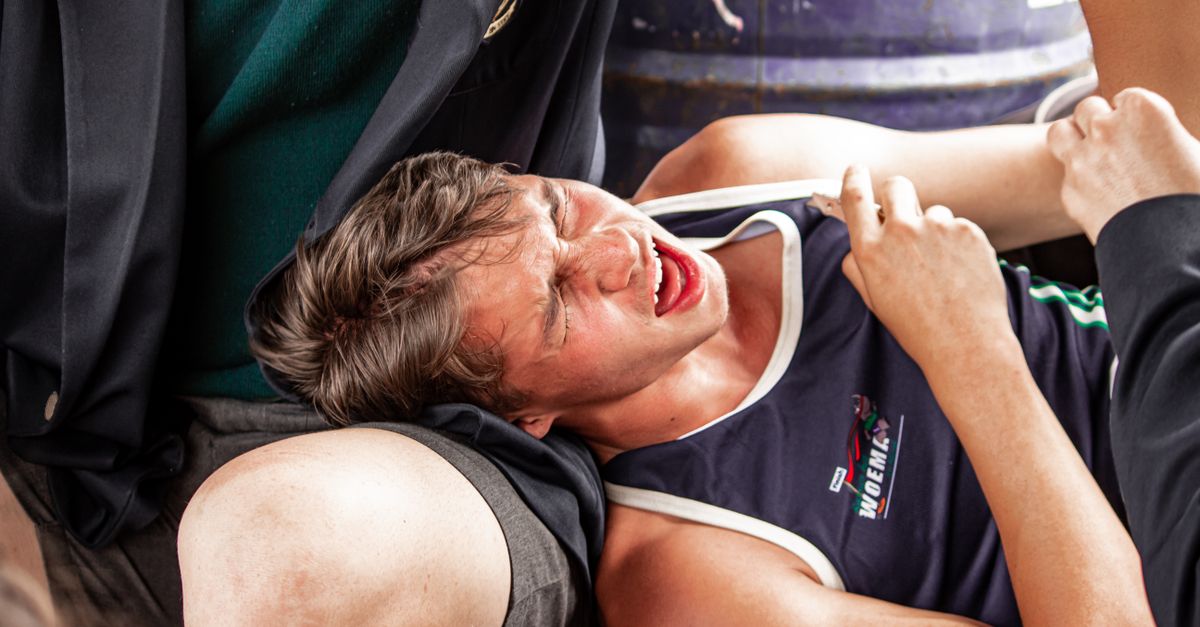
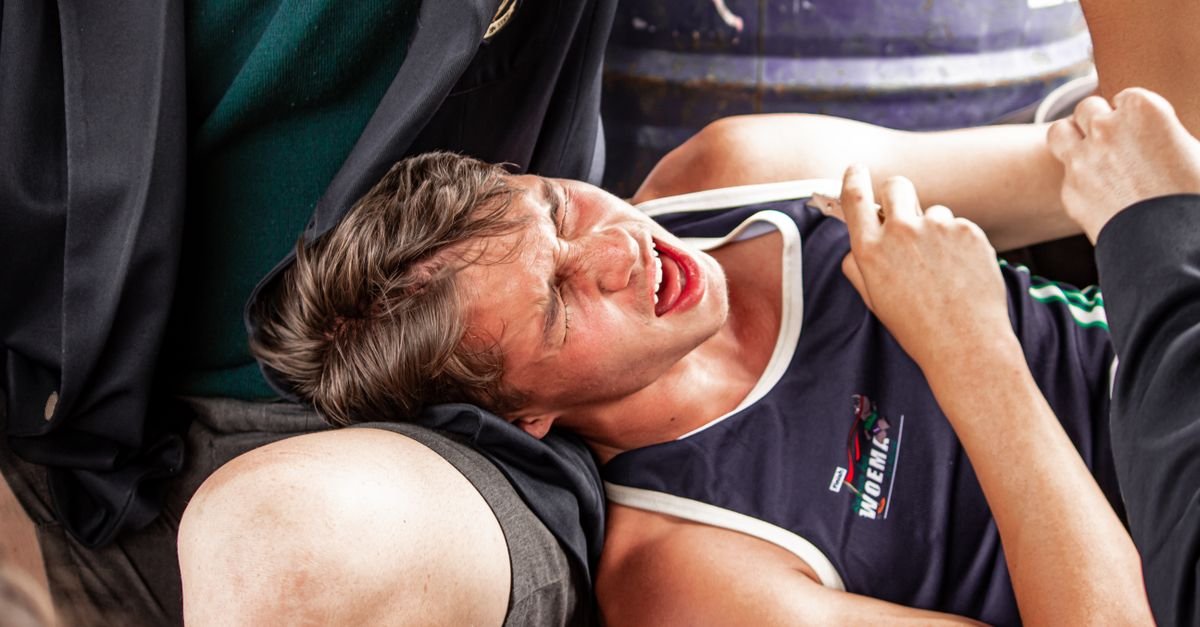
You’re cruising through a long run, pedaling hard on a climb, or sprinting across a soccer field. Then it hits. A sudden, vise-like knot in your calf, hamstring, or foot. You stop dead. You grimace. You try to stretch, rub, and shake it out. But the muscle refuses to let go. If you’ve ever wondered why your body betrays you at the worst possible moment, you’re not alone. Muscle cramps during exercise are one of the most common and frustrating issues athletes face.
Here’s the good news: cramps aren’t random punishment. They’re your body sending a signal. The bad news? That signal can come from several different sources. Let’s break down the real reasons behind exercise-associated muscle cramps, what science says, and how you can prevent them without carrying a pharmacy in your gym bag.
What Exactly Is an Exercise-Associated Muscle Cramp?
An exercise-associated muscle cramp, often shortened to EAMC, is an involuntary and painful contraction of a skeletal muscle. It usually happens during or right after physical activity. The muscle shortens hard, stays locked, and doesn’t relax when you want it to. You can feel it as a tight band, a throbbing knot, or a full-on charley horse.
Cramps most often strike the calves, hamstrings, quadriceps, feet, and hands. They can last a few seconds or several minutes. Some athletes get them once in a blue moon. Others deal with them every single season. And while a cramp is not usually dangerous, it can ruin a workout, a race, or a game in seconds.
It’s important not to confuse a cramp with other exercise pains. A side stitch is a different beast. Delayed onset muscle soreness shows up hours later. A cramp is immediate, intense, and localized. Think of it like a car alarm that won’t shut off—even though the car isn’t being stolen.
The Two Big Theories Behind Exercise Cramps
Scientists have debated the cause of exercise cramps for decades. Today, most experts agree that two major theories explain most cases. They aren’t enemies. They’re more like two sides of the same sweaty coin.
The Dehydration and Electrolyte Theory
This is the classic explanation. You sweat, you lose fluids and electrolytes—especially sodium—and your muscles get twitchy. The idea is that an imbalance in the fluid around your muscle cells and nerves makes them more excitable. When sodium, potassium, magnesium, or calcium levels shift, nerve signals can go wild.
This theory came from observations of miners and football players in hot conditions. They sweated heavily, drank plain water, and still cramped. When they got salt and fluids, the cramps improved. That made sense. But it’s not the whole story.
The Neuromuscular Fatigue Theory
The second theory focuses on the nervous system. When a muscle gets fatigued, the communication between your brain, spinal cord, and muscle fibers gets messy. The nerves that tell a muscle to contract become overactive. The nerves that tell it to relax become underactive. The result? A muscle that fires and fires without a proper off switch.
This theory explains why cramps often happen near the end of a hard workout, during repeated sprinting, or when you’re pushing beyond your current fitness. It’s not just about what you drank. It’s about how tired your nervous system is.
Why Electrolytes Matter More Than You Think
Electrolytes are minerals that carry an electric charge. Your muscles and nerves rely on them to work. When you sweat, you lose them. But not all electrolytes are lost equally, and not all athletes lose the same amount.
Sodium: The Main Electrolyte You Lose in Sweat
Sodium is the star of the sweat-loss show. It’s the most abundant electrolyte in your sweat, and some people lose a lot of it. You know those white streaks on your hat or shirt after a long run? That’s salt. If you’re a “salty sweater,” you might lose 1,000 milligrams or more of sodium per liter of sweat.
Sodium helps maintain fluid balance and nerve function. When sodium drops, muscles can become more sensitive to nerve signals. That can trigger cramps. It can also make you feel weak, dizzy, or nauseous.
Potassium, Magnesium, and Calcium: Supporting Actors
Potassium works with sodium to keep electrical signals balanced. Magnesium helps muscles relax. Calcium triggers muscle contraction in the first place. If any of these are out of whack, cramps can happen. But here’s the catch: true deficiencies in potassium, magnesium, or calcium are rare in healthy athletes who eat a varied diet.
That doesn’t mean they don’t matter. It means they’re usually not the sole cause of a sudden cramp during exercise. They’re part of the background music, not the lead singer.
Dehydration Isn’t Always the Villain
Here’s where things get interesting. Many athletes cramp when they’re perfectly hydrated. You can drink all the water you want and still get a knot in your calf. Why? Because dehydration is only one piece of the puzzle. If you’re low on sodium and drink too much plain water, you can actually dilute your blood sodium levels. That condition, called hyponatremia, can make cramps worse and is far more dangerous than simple dehydration.
Think of your body like a sports car. Water is the coolant. Electrolytes are the oil. You can’t just keep adding coolant if the oil is low. The engine will still seize. So yes, hydration matters. But it’s not a magic bullet.
How Muscle Fatigue Triggers Cramps
Fatigue changes everything. When your muscles are tired, your nervous system has to work harder to coordinate movement. Small errors creep in. Muscle fibers don’t fire in perfect sync. The spinal cord gets flooded with signals. Eventually, a reflex loop can get stuck.
The Spinal Reflex That Goes Haywire
Inside your muscles, there are tiny sensors called muscle spindles and Golgi tendon organs. Muscle spindles sense stretch and tell the muscle to contract. Golgi tendon organs sense tension and tell the muscle to relax. During fatigue, the spindles become more sensitive and the Golgi tendon organs become less effective. It’s like a car with a stuck accelerator and fading brakes. The muscle contracts, but the relaxation signal never arrives.
That’s why stretching can sometimes help during a cramp. It stimulates the Golgi tendon organs and may help restore the relaxation signal. But stretching is not a cure-all, especially if the underlying cause is fatigue or electrolyte loss.
Why Sprinters and Endurance Athletes Cramp Differently
A sprinter might cramp after repeated 100-meter dashes. A marathon runner might cramp at mile 20. A basketball player might cramp in overtime. The triggers can differ. Sprinters often deal with neuromuscular fatigue from high-intensity, short bursts. Endurance athletes often face a mix of fatigue, heat, and electrolyte depletion. Team sport athletes can get a cocktail of all three.
So when someone says, “Just drink more water,” they’re oversimplifying a very complex system.
Heat, Humidity, and Exercise Cramps
Heat and humidity turn up the dial on cramp risk. When it’s hot, your body sends more blood to your skin to cool down. That means less blood flow to your working muscles. Your heart rate rises. You sweat more. You lose more sodium and fluid. Fatigue sets in faster.
Humidity makes it worse because sweat doesn’t evaporate as quickly. Your cooling system becomes less efficient. Your core temperature climbs. Your nervous system gets stressed. Put all that together, and your muscles are more likely to rebel.
That’s why heat cramps are a real thing. But heat alone doesn’t cause cramps. It’s the combination of heat, sweat loss, fatigue, and individual susceptibility.
Are You Genetically Prone to Cramps?
Yes, genes can play a role. If your parents or siblings cramp easily, you might too. Some people have a higher sweat rate or lose more sodium in their sweat. Others have muscle fibers or nerve patterns that make them more prone to fatigue-related cramps.
There are also rare genetic conditions that cause severe cramps, such as McArdle disease, CPT II deficiency, and certain myotonic disorders. These usually show up with other symptoms like muscle weakness, dark urine after exercise, or cramps that happen with very light activity. If you suspect something genetic, see a doctor. But for most athletes, genetics is just one small factor among many.
Medications and Medical Conditions That Can Cause Cramps
Some medications can make cramps more likely. Diuretics flush out fluids and electrolytes. Statins can cause muscle pain and cramps in some people. Beta-agonists for asthma, insulin, laxatives, and certain blood pressure drugs can also play a role.
Medical conditions matter too. Thyroid problems, diabetes, kidney disease, poor circulation, nerve compression, and restless legs syndrome can all trigger cramps. Even varicose veins can contribute. If your cramps are frequent, severe, or happen outside of exercise, it’s worth getting checked out.
Nutrition Mistakes That Set You Up for Cramps
You can train hard, sleep well, and still cramp because of what’s on your plate—or what isn’t. Nutrition is a huge piece of the cramp puzzle.
Not Enough Sodium Before Long Workouts
If you’re heading out for a long run or a hot-weather ride, a low-sodium breakfast might not cut it. Your body needs sodium to hold onto fluids and keep nerve signals stable. Athletes who eat very clean, low-salt diets can be at higher risk. That doesn’t mean you should drown your food in salt. But before long, sweaty workouts, a little extra sodium can help.
Poor Carbohydrate Availability
Carbohydrates are fuel. When glycogen stores run low, your muscles fatigue faster. Fatigue is a direct trigger for cramps. So if you’re doing long or intense exercise without enough carbs, you’re not just bonking—you’re also inviting cramps. Eat a balanced meal before training and consider carbs during longer sessions.
Low Magnesium or Calcium Intake
Magnesium helps muscles relax. Calcium helps them contract. If your diet is missing these minerals, your muscle function can suffer. Nuts, seeds, leafy greens, dairy, and legumes are great sources. Most athletes get enough, but if you’re restricting calories or eating a limited diet, you might fall short.
Hydration Strategy: More Than Just Water
Hydration is not about chugging a gallon of water before your workout. It’s about matching your fluid and electrolyte losses. A good starting point is to weigh yourself before and after a workout. For every pound lost, drink about 16 to 24 ounces of fluid with electrolytes.
But don’t overdo it. Drinking too much plain water can dilute your sodium and cause hyponatremia. That’s a medical emergency. So if you’re sweating heavily for more than an hour, choose a drink with sodium and other electrolytes. If you’re just doing a 30-minute easy jog, water is usually fine.
Listen to your thirst, but also use common sense. Thirst is a decent guide, but it lags behind your actual needs when you’re working hard in the heat.
Stretching, Strengthening, and Neuromuscular Training
Will stretching prevent cramps? Not always. Static stretching before exercise hasn’t been proven to stop cramps. But dynamic warm-ups, regular mobility work, and strength training can help your muscles handle fatigue better.
Focus on strengthening the muscles that cramp most—calves, hamstrings, and quads. Exercises like calf raises, Nordic hamstring curls, and split squats build resilience. Plyometrics and balance drills can improve neuromuscular control, so your nervous system doesn’t panic under fatigue.
Think of it like tuning a piano. You’re not just making the strings tighter. You’re making sure every key plays the right note at the right time.
How to Stop a Cramp Mid-Workout
When a cramp hits, stop. Don’t try to push through it. Pushing through usually makes it worse. Gently stretch the affected muscle. Hold the stretch for 15 to 30 seconds. Don’t bounce. Breathe slowly. Massage the area. If you can, apply ice or a cool towel.
For a calf cramp, straighten your leg and pull your toes toward your shin. For a hamstring cramp, lie down and straighten your knee while lifting your leg. For a quad cramp, bend your knee and pull your heel toward your butt. For a foot cramp, curl your toes and massage the arch.
Some athletes swear by pickle juice or a shot of mustard. Science suggests these might work by triggering a reflex in your mouth and throat that tells your nervous system to calm the muscle down. It’s not just about the electrolytes. It’s about the signal.
Prevention Plan for Different Athletes
There’s no one-size-fits-all cramp prevention plan. Your sport, sweat rate, fitness, and genetics all matter. Here’s how to tailor your approach.
For Runners and Cyclists
Start with a dynamic warm-up. Pace yourself, especially in the heat. Carry electrolytes for long efforts. Practice your hydration and nutrition on training runs, not just on race day. For cyclists, check your bike fit. A saddle that’s too high or cleats that are misaligned can cause repeated muscle overload.
For Team Sport Athletes
Team sports are stop-and-go. You sprint, rest, sprint again. That pattern is a recipe for neuromuscular fatigue. Do interval training that mimics game demands. Acclimate to heat gradually. Keep a water bottle with electrolytes on the sideline. And don’t skip your warm-up, even if you’re coming off the bench.
For Strength Athletes and Gym Goers
Gym cramps often come from dehydration, low sodium, or going too hard on high-rep sets. Warm up properly. Rest between sets. Breathe. Don’t hold your breath on every rep. If you’re doing a long workout, sip an electrolyte drink. And if you’re taking creatine, make sure you’re drinking enough water.
When to See a Doctor About Muscle Cramps
Most exercise cramps are annoying but harmless. However, you should talk to a doctor if cramps are frequent, severe, or interfere with daily life. Also seek medical help if you notice:
- Muscle weakness that doesn’t go away
- Dark or cola-colored urine after exercise
- Swelling, numbness, or tingling in the affected area
- Cramps that happen at rest or during light activity
- Cramps that come with fever, weight loss, or night sweats
These could be signs of a more serious condition like rhabdomyolysis, nerve damage, or a metabolic disorder. Don’t ignore them.
Myths About Muscle Cramps During Exercise
Myth 1: You just need more water. False. Water alone can dilute sodium and make things worse. You need fluids and electrolytes.
Myth 2: Bananas prevent cramps. Bananas have potassium, but they won’t stop a cramp that’s caused by sodium loss, fatigue, or heat. They’re healthy, but they’re not magic.
Myth 3: Stretching before exercise prevents cramps. Static stretching before a workout doesn’t reliably prevent cramps. Dynamic warm-ups and strength training are better.
Myth 4: Salt tablets are for everyone. Not true. Salt needs vary wildly. Some athletes need extra sodium. Others don’t. Too much salt can cause stomach upset and high blood pressure.
Myth 5: Cramps mean you’re unfit. Even elite athletes cramp. It’s about fatigue, electrolytes, heat, and individual factors—not just fitness.
Conclusion: Listen to Your Muscles, Not Just Your Water Bottle
Muscle cramps during exercise are your body’s way of saying something is off. Maybe you’re low on sodium. Maybe your nervous system is fried from repeated sprints. Maybe the heat is draining you faster than you realized. The fix isn’t always more water. It’s a smarter mix of hydration, electrolytes, nutrition, training, and recovery. Pay attention to your sweat, your fatigue, and your history. Learn your personal triggers. Then build a plan that keeps your muscles happy—even when you’re pushing them to the limit.
FAQs About Muscle Cramps During Exercise
1. Can drinking pickle juice really stop a muscle cramp?
Yes, it might. Research suggests pickle juice can trigger a reflex in your mouth and throat that tells your nervous system to relax the cramped muscle. It often works faster than drinking water or electrolytes because the signal travels through nerves, not just through digestion. That said, it’s not a cure-all. It won’t fix dehydration or sodium loss on its own.
2. Are bananas the best food to prevent cramps?
Bananas are a good source of potassium, but potassium deficiency is rarely the main cause of exercise cramps. Sodium loss, fatigue, and heat are bigger culprits for most athletes. Bananas can be part of a balanced diet, but don’t rely on them alone. A salty snack or electrolyte drink may help more during long, sweaty workouts.
3. Should I take salt tablets during every workout?
No. Salt tablets are not for everyone. If you’re a salty sweater, exercise for long periods in the heat, or have a history of cramps, they might help. But for short or easy workouts, they’re usually unnecessary. Too much sodium can cause stomach issues, high blood pressure, and other problems. Talk to a sports dietitian if you’re unsure.
4. Why do I cramp even when I’m hydrated?
Hydration is only one piece of the puzzle. You can be perfectly hydrated and still cramp because of neuromuscular fatigue, electrolyte imbalance, heat stress, or genetics. If you’re drinking plenty of water but still cramping, look at your sodium intake, training intensity, and recovery. You might also be overhydrating with plain water, which dilutes your blood sodium.
5. When should I worry about exercise cramps?
See a doctor if cramps are severe, frequent, or happen at rest. Also get medical help if you notice dark urine, muscle weakness, swelling, numbness, or cramps that don’t improve with rest and hydration. These can be signs of a more serious condition like rhabdomyolysis or a metabolic disorder. When in doubt, get checked out.