Table of Contents
- Why Your Period Changes Your Workouts
- Hormones, Energy, and Performance
- Estrogen and Progesterone in Plain English
- Before You Start: Track Your Cycle and Symptoms
- The Basics of Cycle Tracking
- What to Log Beyond Bleeding
- The Four Phases of Your Cycle
- Menstrual Phase (Days 1–5, roughly)
- Best Workouts for Your Period
- Follicular Phase (Days 6–14, roughly)
- When to Push Harder
- Ovulation Phase (Around Day 14)
- Peak Power and Injury Awareness
- Luteal Phase (Days 15–28, roughly)
- Managing PMS and Lower Energy
- How to Build a Weekly Workout Plan Around Your Period
- Week 1: Menstrual Phase Plan
- Week 2: Follicular Phase Plan
- Week 3: Ovulation Phase Plan
- Week 4: Luteal Phase Plan
- Adjusting for Irregular Cycles, Birth Control, and Perimenopause
- Irregular Cycles
- Hormonal Birth Control
- Perimenopause and Beyond
- Nutrition, Hydration, and Recovery During Your Cycle
- What to Eat for Energy
- Sleep and Stress: The Hidden Workout Variables
- Red Flags: When to Skip the Gym and Call a Doctor
- Symptoms You Shouldn’t Ignore
- Sample 7-Day Workout Plan for a Typical Cycle
- Day-by-Day Breakdown
- FAQs
- Can I exercise during my period?
- Should I lift weights on my period?
- Why do my workouts feel harder before my period?
- Can I cycle sync if my period is irregular?
- What if I have no energy during my period?
- Conclusion: Work With Your Body, Not Against It
How to Plan Exercise Around Your Period: A Practical Guide to Cycle-Syncing Your Workouts
Let’s be honest: your period doesn’t always arrive like a polite houseguest. Sometimes it shows up early, sometimes late, and sometimes it brings cramps, fatigue, headaches, and a mood that could use its own warning label. So why do so many workout plans act like every day of the month is exactly the same?
Planning exercise around your period isn’t about making excuses. It’s about making smarter choices. Your energy, recovery, strength, and motivation can shift across your menstrual cycle. When you pay attention to those shifts, you can train with your body instead of fighting it. Think of it like adjusting your driving speed based on the weather. You can still reach your destination, but you’ll have a smoother ride.
This guide will walk you through how to plan exercise around your period using a flexible, practical approach. You’ll learn what each phase may feel like, how to adjust intensity, and how to build a weekly plan that respects your hormones, your schedule, and your goals.
Why Your Period Changes Your Workouts
Your menstrual cycle is a monthly hormonal conversation between your brain, ovaries, and uterus. The main characters are estrogen and progesterone. These hormones don’t just control bleeding. They can influence your body temperature, fluid balance, appetite, sleep quality, mood, and even how your muscles recover.
During some weeks, you might feel like a superhero. During others, a walk around the block feels like a mountain expedition. That’s normal. The goal isn’t to label certain days as “good” or “bad.” The goal is to notice patterns and plan accordingly.
Hormones, Energy, and Performance
In the first half of your cycle, estrogen tends to rise. For many people, that means more energy, better mood, and improved tolerance for hard training. In the second half, progesterone rises. That can bring a warmer body temperature, heavier fatigue, and a slower warm-up. It can also make you feel puffier or less coordinated.
Does that mean you should avoid intense workouts after ovulation? Not necessarily. It means you might need more warm-up time, more rest between sets, or a slightly lower intensity. Your body is not a robot. It’s a living system that responds to stress, sleep, food, and hormones.
Estrogen and Progesterone in Plain English
Estrogen is like the motivational speaker of your cycle. It often says, “Let’s go, you’ve got this.” Progesterone is more like the calm friend who says, “Maybe we should take it easy today.” Neither is right or wrong. They just create different internal weather.
Before You Start: Track Your Cycle and Symptoms
You can’t plan around your period if you don’t know when it’s coming or how it makes you feel. Tracking doesn’t have to be complicated. A simple calendar app or a notes page works fine. The key is to record both the numbers and the sensations.
The Basics of Cycle Tracking
Mark the first day of your period as Day 1. Count until the day before your next period starts. That’s one full cycle. Most cycles fall between 21 and 35 days, but shorter and longer cycles can be normal for some people. Track for at least two or three months before you draw big conclusions.
What to Log Beyond Bleeding
Write down your energy level, mood, sleep quality, cramps, headaches, breast tenderness, bloating, appetite, and workout performance. Rate them from 1 to 10 if that helps. Over time, you’ll see patterns like “I always feel strong on Day 8” or “Day 24 is not the day for heavy squats.” That information is gold.
The Four Phases of Your Cycle
For planning purposes, it helps to divide your cycle into four phases: menstrual, follicular, ovulation, and luteal. These phases overlap and vary from person to person. Use them as a rough map, not a strict rulebook.
Menstrual Phase (Days 1–5, roughly)
This is when you bleed. Hormone levels are low. You might feel tired, crampy, or emotionally raw. For some, exercise helps with cramps and mood. For others, rest is the best medicine. Both are valid.
Best Workouts for Your Period
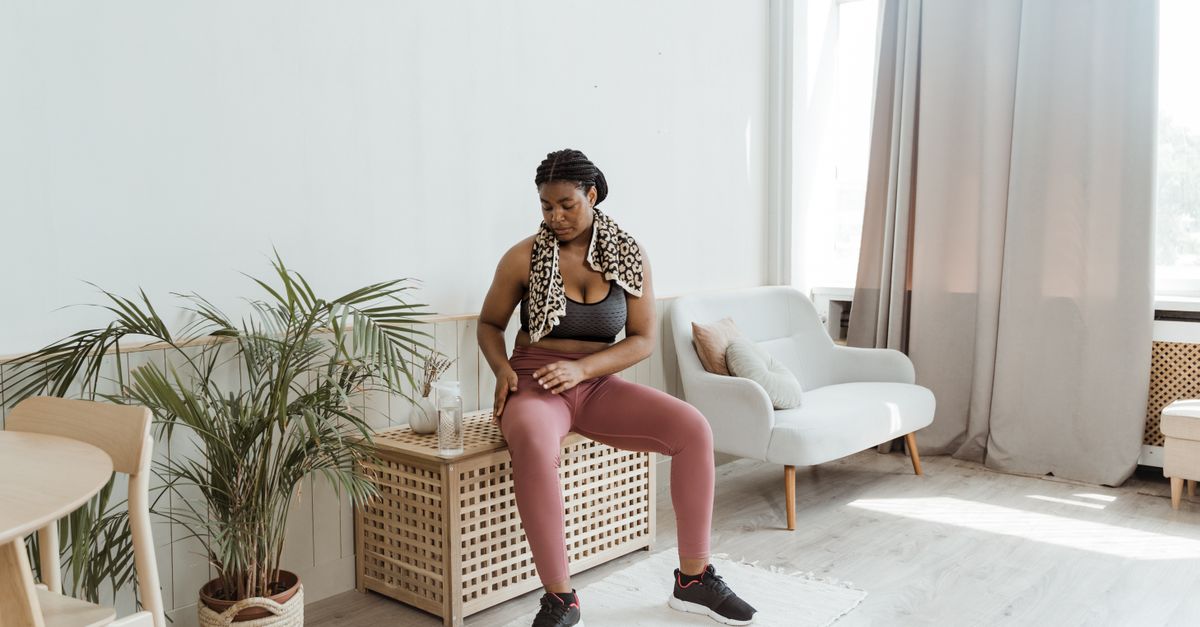
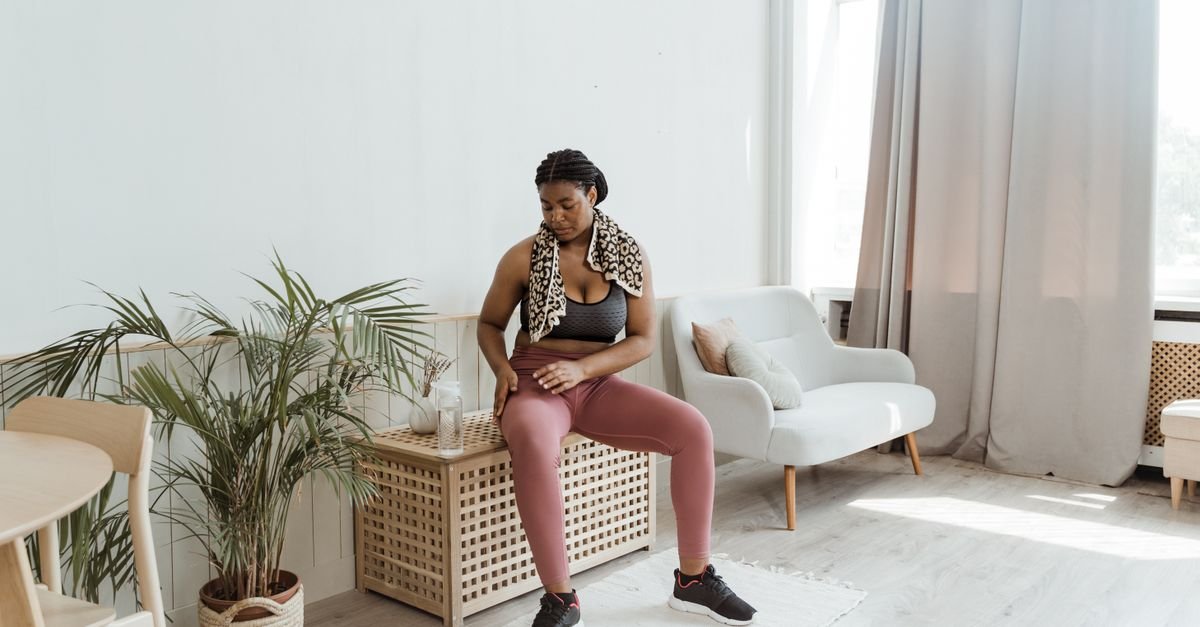
Think gentle and restorative. Walking, light cycling, swimming, yoga, stretching, and mobility work are great options. If you feel good, you can do strength training or cardio, but don’t force a personal record. A short workout is better than a skipped one when you’re up for it.
Here’s a simple rule: if your symptoms are mild, move. If they’re severe, rest. You’re not lazy. You’re listening.
Follicular Phase (Days 6–14, roughly)
After your period ends, estrogen starts climbing. This is often the “power up” phase. Your body is building energy, your mood may improve, and your muscles may recover faster. Many people feel their best during this window.
When to Push Harder
This is a great time to schedule your hardest workouts. Think heavy lifting, HIIT, sprint intervals, intense cycling classes, or challenging yoga flows. Your body may handle stress better now. Just remember that “hard” should still match your fitness level and recovery.
Ovulation Phase (Around Day 14)
Ovulation usually happens near the middle of your cycle. Estrogen peaks, and testosterone may also rise slightly. You might feel confident, social, and strong. It’s common to feel like you can take on the world.
Peak Power and Injury Awareness
This is often a great time for peak performance. However, some research suggests that injury risk may increase around ovulation due to hormonal changes affecting joint laxity. That doesn’t mean you should wrap yourself in bubble wrap. It means warm up properly, use good form, and don’t ignore pain.
Luteal Phase (Days 15–28, roughly)
After ovulation, progesterone rises. If you’re not pregnant, hormone levels eventually drop, which triggers your period. This phase can bring PMS symptoms: bloating, irritability, fatigue, headaches, and cravings. It can also make your body temperature slightly higher, so you might feel hotter during workouts.
Managing PMS and Lower Energy
During the early luteal phase, you may still have good energy. As your period gets closer, you might need to dial things back. Steady-state cardio, moderate strength training, Pilates, swimming, and walking are all good choices. If you’re feeling irritable or anxious, a calming workout can be more helpful than a punishing one.
How to Build a Weekly Workout Plan Around Your Period
Now let’s put it all together. You don’t need to plan every single day for the rest of your life. Start with a four-week template that matches your cycle phases. Then adjust based on how you actually feel.
Week 1: Menstrual Phase Plan
Focus on recovery, mobility, and gentle movement. Aim for 2 to 4 lighter sessions. For example: Monday walk, Tuesday restorative yoga, Thursday light full-body strength, Saturday easy bike ride. If you feel great, add intensity. If you feel awful, swap in rest.
Week 2: Follicular Phase Plan
This is your green light. Schedule 3 to 5 challenging workouts. Try heavy lower body, upper body strength, HIIT, or sprint intervals. Your body may recover quickly, so you can stack harder days with less fear. Still include at least one rest or active recovery day.
Week 3: Ovulation Phase Plan
Go for peak performance if you feel good. Plan a strength personal best attempt, a fast run, or a tough class. Just pay attention to joints and warm up thoroughly. If you feel off, don’t force it. Ovulation doesn’t guarantee a perfect workout.
Week 4: Luteal Phase Plan
Start with moderate intensity, then reduce as needed. You might do three strength sessions, two cardio sessions, and more stretching. In the last few days before your period, prioritize sleep, hydration, and lighter movement. Think of this week as maintenance, not maximum output.
Adjusting for Irregular Cycles, Birth Control, and Perimenopause
Not everyone has a textbook 28-day cycle. That’s okay. Your plan should fit your reality, not a diagram from a health class.
Irregular Cycles
If your cycle is unpredictable, track symptoms instead of days. You might notice “crampy days,” “high-energy days,” and “low-energy days.” Plan workouts based on those patterns. You can also use a flexible weekly template with one hard day, two moderate days, and two easy days.
Hormonal Birth Control
Birth control can flatten hormonal fluctuations. You may not experience the same phase-based energy shifts. In that case, focus on sleep, stress, and how you feel day to day. Your body still has rhythms, even if they’re not tied to a natural cycle.
Perimenopause and Beyond
During perimenopause, cycles can become irregular and symptoms can vary widely. Strength training becomes especially important for bone health and muscle maintenance. Keep workouts consistent but flexible. Recovery may take longer, so build in extra rest days.
Nutrition, Hydration, and Recovery During Your Cycle
Exercise is only one piece of the puzzle. What you eat, how much you sleep, and how you manage stress can make or break your workout plan.
What to Eat for Energy
During your period, iron loss can leave you feeling tired. Iron-rich foods like lentils, spinach, red meat, and fortified cereals can help. Pair them with vitamin C for better absorption. In the luteal phase, cravings for carbs and sweets are common. Instead of fighting them, plan balanced snacks with protein, fiber, and healthy fats.
Hydration matters all month long. You may retain water before your period, but drinking enough water actually helps reduce bloating. Add electrolytes if you sweat heavily.
Sleep and Stress: The Hidden Workout Variables
Poor sleep can make a moderate workout feel impossible. Stress can do the same. Treat sleep and stress management as part of your training plan. A 10-minute wind-down routine, a consistent bedtime, and deep breathing can improve your performance more than a new pre-workout supplement.
Red Flags: When to Skip the Gym and Call a Doctor
Listening to your body doesn’t mean ignoring serious symptoms. Some period-related issues need medical attention.
Symptoms You Shouldn’t Ignore
- Pain so severe that you can’t move or go to work.
- Bleeding through a pad or tampon every hour for several hours.
- Dizziness, fainting, or chest pain.
- Sudden sharp pelvic pain, especially with fever.
- Missed periods for several months without a known cause.
If you experience any of these, talk to a healthcare provider. Exercise can be powerful, but it’s not a replacement for medical care.
Sample 7-Day Workout Plan for a Typical Cycle
Here’s an example of how a week might look during the menstrual phase. Adjust it based on your energy and schedule.
Day-by-Day Breakdown
- Day 1: Rest or gentle walk. Focus on hydration and warmth.
- Day 2: 20-minute restorative yoga and stretching.
- Day 3: Light full-body strength: bodyweight squats, push-ups, rows. 2 sets each.
- Day 4: 30-minute easy bike ride or walk.
- Day 5: Moderate strength: goblet squats, lunges, overhead press, glute bridges. 3 sets.
- Day 6: Active recovery: foam rolling and a short walk.
- Day 7: If feeling good, try a fun cardio session. If not, repeat gentle yoga.
FAQs
Can I exercise during my period?
Yes, if you feel up to it. Exercise can actually help relieve cramps and improve mood for many people. Start gently and increase intensity only if your body agrees.
Should I lift weights on my period?
You can. Some people feel strong, while others feel weak. Try lighter weights or fewer sets. If you feel good, lift normally. If you feel dizzy or exhausted, switch to walking or yoga.
Why do my workouts feel harder before my period?
Rising progesterone and falling estrogen can affect energy, body temperature, and recovery. PMS symptoms like bloating, poor sleep, and cramps can also make exercise feel tougher. It’s not in your head.
Can I cycle sync if my period is irregular?
Absolutely. Instead of tracking phases, track symptoms and energy patterns. Use a flexible plan with hard, moderate, and easy days. Your body’s signals are more important than the calendar.
What if I have no energy during my period?
Rest is a valid choice. If you want to move, try a short walk, gentle stretching, or restorative yoga. Even five minutes of movement can help. Don’t push through severe fatigue.
Conclusion: Work With Your Body, Not Against It
Planning exercise around your period isn’t about being fragile. It’s about being smart. Your body changes throughout the month, and your workouts can change with it. By tracking your cycle, noticing your symptoms, and adjusting intensity, you can stay consistent without burning out.
Remember, there’s no perfect plan. Some months will feel amazing. Others will feel like a slog. That’s normal. The best workout plan is the one you can adapt, not the one you follow blindly. So grab a calendar, pay attention to your energy, and give yourself permission to flex. Your period is part of your life, not a pause button.