Table of Contents
- Low-Impact Exercise Options for Larger Bodies: Move Well, Feel Strong
- Why Low-Impact Exercise Is a Smart Fit for Larger Bodies
- The Real Benefits You Can Expect
- Before You Start: Gentle Prep for Your Body
- Low-Impact Cardio Options for Larger Bodies
- Strength Training Without the Joint Jarring
- Flexibility, Mobility, and Recovery
- How to Modify Any Workout for Your Body Today
- Building a Weekly Routine You Actually Enjoy
- Common Worries and How to Handle Them
- Gear That Makes Movement Easier
- Staying Consistent When Motivation Fades
- Sample Low-Impact Weekly Plan for Larger Bodies
- When to Stop and Seek Help
- Conclusion: Your Body, Your Pace, Your Power
- FAQs About Low-Impact Exercise for Larger Bodies
Low-Impact Exercise Options for Larger Bodies: Move Well, Feel Strong
If you live in a larger body, the fitness world can feel like it was built for someone else. The images, the machines, the cramped studio spaces, the shouted instructions to jump higher and push harder—it can all feel like a message that says, “This isn’t for you.” But here’s the truth: movement is for every body. You just need options that respect your joints, your pace, your comfort, and your life.
Low-impact exercise is one of the smartest ways to build strength, stamina, and confidence without pounding your body into the ground. Think of it like this: high-impact exercise is a jackhammer. Low-impact exercise is a steady river. Both can shape the landscape, but one is a lot kinder to the foundation. In this guide, you’ll find practical low-impact exercise options for larger bodies, plus tips for modifying workouts, staying consistent, and actually enjoying the process.
Why Low-Impact Exercise Is a Smart Fit for Larger Bodies
Low-impact exercise means one foot stays on the ground or your body is supported while you move. Walking, swimming, cycling, rowing, and chair-based strength work are all examples. That doesn’t mean easy. You can sweat, breathe hard, and build serious fitness without jumping, running, or slamming your joints.
For larger bodies, the benefits go beyond joint comfort. Extra body weight can increase load on knees, hips, ankles, and lower back during high-impact activities. Low-impact movement reduces that repeated pounding while still challenging your heart, lungs, and muscles. It’s not a “beginner” category. It’s a sustainable category. And sustainable is what changes your life.
Maybe you’ve tried workouts that left you sore, frustrated, or feeling like you failed. That’s not a you problem. That’s a programming problem. When exercise fits your body, you’re far more likely to keep going. Low-impact options give you room to build a routine that feels good enough to repeat.
The Real Benefits You Can Expect
Less Joint Stress, More Consistency
Your joints are not fragile, but they do have limits. Low-impact exercise lowers the force that travels through your knees, hips, and spine with every step. That means less next-day ache and fewer flare-ups. When you’re not recovering from a beating, you can show up more often. Consistency beats intensity almost every time.
Better Heart Health Without the Jarring
Cardio doesn’t require running. A brisk walk, a swim session, or a steady ride on a recumbent bike can raise your heart rate, improve circulation, and support heart health. You can build endurance in a way that feels manageable. Over time, you’ll notice you can climb stairs, carry groceries, and play with kids or pets with less huffing and puffing.
Mood, Sleep, and Confidence
Movement releases endorphins, reduces stress hormones, and can improve sleep quality. It also gives you evidence that your body can do hard things. That evidence is powerful. It chips away at the story that you’re “not an exerciser.” You are. You just needed a doorway that fit.
Before You Start: Gentle Prep for Your Body
Check In With Your Healthcare Provider
If you have heart conditions, joint issues, diabetes, high blood pressure, or any medical concern, talk with your doctor before starting a new routine. This isn’t about permission—it’s about partnership. A healthcare provider can help you set safe boundaries and flag anything to watch.
Choose Clothes and Shoes That Work With You
Comfort is not vanity. It’s strategy. Look for moisture-wicking fabrics, seamless waistbands, supportive bras, and shoes with good cushioning and a wide toe box. If your thighs rub, try bike shorts or anti-chafe balm. If your feet need extra support, visit a running store or specialty shoe shop for a fitting. The right gear removes friction so you can focus on movement.
Set a Baseline, Not a Finish Line
Before you chase goals, notice where you are. How long can you walk before you need a break? How many chair squats feel comfortable? What’s your energy like in the morning versus evening? Write it down. Your baseline is not a judgment. It’s a starting coordinate. From there, you can measure progress without comparing yourself to someone else’s map.
Low-Impact Cardio Options for Larger Bodies
Walking: The Classic That Never Gets Old
Walking is the Swiss Army knife of low-impact cardio. You can do it almost anywhere, at any pace, for any length of time. It strengthens your legs, improves heart health, and clears your head. Start with five to ten minutes if that’s what feels good. Add a few minutes each week. If walking hurts your knees, try shorter strides, slower pace, or walking on a track or treadmill with less incline.
How to Make Walking More Comfortable
Try these tweaks: wear supportive shoes, choose flat routes, use walking poles for stability, take standing breaks, and swing your arms naturally. You can also break walks into smaller chunks—ten minutes in the morning, ten after lunch, ten after dinner. That still counts. Your body doesn’t care about the packaging.
Swimming and Water Aerobics
Water is a gift to larger bodies. It supports up to 90% of your body weight, which means less pressure on joints while you move. Swimming, water walking, aqua aerobics, and water jogging all build cardio fitness and strength. Many pools have classes for all body types, and the water offers privacy and buoyancy. If you’re self-conscious, look for adult-only or beginner-friendly sessions.
Cycling and Recumbent Bikes
Stationary bikes and recumbent bikes let you sit while you pedal, which reduces strain on your back and hips. Recumbent bikes have a wider seat and back support, making them a great option if traditional bike seats feel uncomfortable. Start with low resistance and a comfortable cadence. You can read, watch a show, or listen to a podcast while you ride. Movement doesn’t have to be boring.
Elliptical, Rowing, and Step Machines
Ellipticals offer a no-impact stride that mimics walking or running without the pounding. Rowing machines work your whole body and are low-impact, though they require some technique. Step machines can be low-impact if you use them slowly and avoid deep knee bends. Test each machine for a few minutes. If it causes pain, skip it. There are always other options.
Strength Training Without the Joint Jarring
Bodyweight Basics With Support
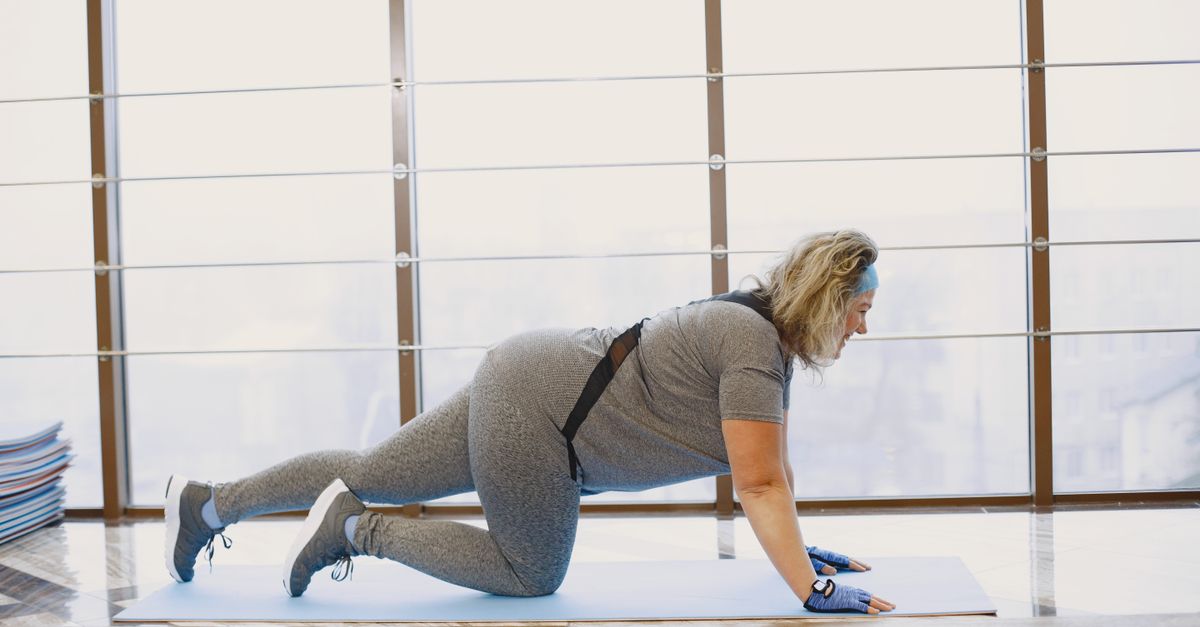
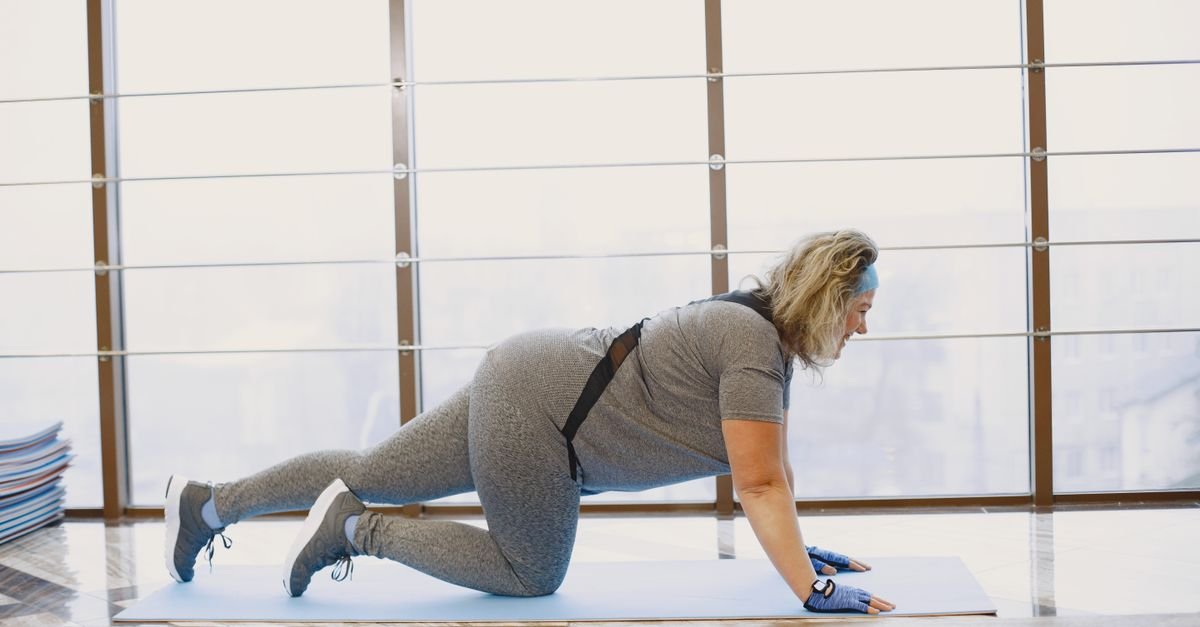
You don’t need a gym full of iron to get stronger. Bodyweight exercises like sit-to-stands, wall push-ups, glute bridges, and calf raises can build functional strength. Use a sturdy chair, wall, or counter for balance. The goal is control, not speed. Slow, deliberate movements often create more strength than fast, sloppy ones.
Chair Squats and Wall Push-Ups
For chair squats, stand in front of a chair, push your hips back, and lightly tap the seat before standing up. That’s one rep. For wall push-ups, place your hands on a wall at chest height, step back, and bend your elbows to bring your chest toward the wall. These moves build leg and upper-body strength without putting your joints in a compromising position.
Resistance Bands and Dumbbells
Resistance bands are light, portable, and joint-friendly. You can use them for rows, presses, bicep curls, and lateral walks. Dumbbells work too—start with two- to five-pound weights and focus on form. If grip is an issue, try wrist weights or adjustable cuffs. Strength training helps protect joints by building the muscles around them.
Seated Strength Workouts
Seated workouts are not “less than.” They’re effective and accessible. Sit tall in a chair and perform seated marches, overhead presses, leg extensions, and torso twists. Add ankle weights or bands for extra resistance. Seated strength is excellent for anyone with balance concerns, knee pain, or limited standing tolerance.
Flexibility, Mobility, and Recovery
Chair Yoga and Adaptive Yoga
Chair yoga uses a chair for support during poses. It improves flexibility, balance, and body awareness. Adaptive yoga classes are designed for different abilities and body shapes. Look for instructors who offer modifications and use props like blocks, straps, and blankets. You don’t need to touch your toes to benefit. You just need to breathe and move.
Tai Chi and Qigong
Tai chi and qigong are low-impact movement practices that combine slow, flowing motions with deep breathing. They can improve balance, reduce stress, and gently strengthen your legs and core. Many classes can be done standing or seated. If you want a moving meditation that feels like a gentle dance, this is it.
Stretching and Foam Rolling
Gentle stretching after a workout helps you cool down and notice tension. Foam rolling can release tight spots in your back, thighs, and calves. Be gentle. Avoid rolling directly over joints or painful areas. Recovery is part of training. It’s how your body rebuilds and gets ready for the next session.
How to Modify Any Workout for Your Body Today
Modification is a skill, not a sign of weakness. If an exercise feels wrong, change it. Reduce the range of motion. Slow the tempo. Add support. Change the angle. Take a rest. Breathe. You can also split the movement into smaller parts. For example, instead of a full squat, do a sit-to-stand. Instead of a floor push-up, use a wall or counter.
Ask yourself: “What part of this feels unsafe or unpleasant?” Then adjust that part. Your body is the expert on your body. A good workout should challenge you without threatening you. If you’re grimacing through pain, that’s not progress. That’s a signal to pivot.
Building a Weekly Routine You Actually Enjoy
A balanced week includes cardio, strength, mobility, and rest. You don’t need to do all four every day. Try two to three cardio sessions, two strength sessions, and one or two mobility sessions. Start with ten to twenty minutes per session. As you get stronger, add time or resistance—not impact.
Choose activities you like. If you hate the treadmill, don’t build your week around it. Maybe you love water aerobics, or maybe you prefer a dance video in your living room. Joy is not a luxury. It’s a consistency strategy. The best workout is the one you’ll actually do again.
Common Worries and How to Handle Them
“I Feel Self-Conscious”
You’re not alone. Many people feel watched or judged in fitness spaces. Start at home if that feels safer. Use online videos, walk in a quiet park, or find a body-positive trainer. If you go to a gym, ask for a tour during off-peak hours. Remember: most people are focused on themselves, not you. And anyone who judges you is not your problem.
“I Get Winded Fast”
Getting winded means your heart and lungs are working. That’s not failure. That’s training. Slow down, take breaks, and use interval-style movement: one minute of activity, one minute of rest. Over time, your breathing will become more efficient. You’ll recover faster. Celebrate that progress.
“My Knees, Hips, or Back Hurt”
There’s a difference between muscle fatigue and joint pain. If you feel sharp, stabbing, or persistent pain, stop and seek medical advice. If it’s mild discomfort, try modifying the movement, reducing range, or switching to water or seated options. Pain is information, not a personal failing.
Gear That Makes Movement Easier
You don’t need much, but a few items can help. Supportive shoes, a well-fitting sports bra, moisture-wicking clothes, and anti-chafe balm are basics. Resistance bands, a yoga mat, a sturdy chair, and a water bottle are also useful. If you want to track progress, a simple notebook or a phone app works fine. Gear should serve you, not stress you.
Staying Consistent When Motivation Fades
Motivation is a mood. Habits are a structure. Attach movement to something you already do—after morning coffee, before your shower, during your favorite show. Keep sessions short. Lay out your clothes the night before. Give yourself permission to do a five-minute version on hard days. Five minutes is better than zero, and it keeps the habit alive.
Also, celebrate non-scale victories. Climbing stairs easier. Sleeping better. Feeling less stiff. Those are real wins. Your body is changing in ways a scale can’t measure.
Sample Low-Impact Weekly Plan for Larger Bodies
- Monday: 20-minute walk + chair squats and wall push-ups
- Tuesday: 20-minute recumbent bike or water aerobics
- Wednesday: 15-minute chair yoga + gentle stretching
- Thursday: Resistance band strength circuit (rows, presses, curls)
- Friday: 20-minute swim or elliptical
- Saturday: Fun movement—dancing, gardening, or a longer walk
- Sunday: Rest or a short mobility flow
Adjust this plan to your energy, schedule, and preferences. The best plan is flexible. If you miss a day, just pick up where you left off. There’s no streak to protect. There’s only your next move.
When to Stop and Seek Help
Stop exercising and seek medical attention if you experience chest pain, severe shortness of breath, dizziness, fainting, or sudden joint swelling. Also stop if you feel sharp pain that doesn’t go away with rest. Listen to your body. Pushing through red flags is not toughness. It’s risk.
Conclusion: Your Body, Your Pace, Your Power
Low-impact exercise options for larger bodies are not a compromise. They’re a smart, sustainable path to strength, stamina, and self-trust. You can walk, swim, cycle, row, lift, stretch, and move in ways that honor your joints and your goals. Start where you are. Use the modifications you need. Choose activities that make you feel capable, not punished.
Your body is not a project to fix. It’s a home to live in. Movement is one way to care for that home. So take a breath, pick one option from this guide, and try it this week. You don’t have to be fast. You don’t have to be perfect. You just have to begin.
FAQs About Low-Impact Exercise for Larger Bodies
1. Is low-impact exercise enough to lose weight?
Low-impact exercise can support weight loss when combined with nutrition and overall activity, but weight loss is not the only measure of success. It also improves heart health, strength, mobility, mood, and sleep. Focus on consistency and health markers you can feel, not just the scale.
2. What if I can’t stand for long periods?
Seated workouts are a great option. You can do seated cardio, seated strength, chair yoga, and seated tai chi. You can also alternate standing and sitting. Movement counts no matter your position.
3. How often should I exercise as a larger-bodied person?
Start with two to three sessions per week, even if they’re short. Gradually build toward 150 minutes of moderate cardio per week plus two strength sessions. But any movement is better than none. Your pace matters more than a perfect number.
4. Will low-impact exercise help with knee pain?
It can, especially when it strengthens the muscles around your knees without adding impact. Swimming, cycling, and chair squats are often helpful. If pain worsens or becomes sharp, check with a healthcare provider or physical therapist.
5. Do I need special equipment for low-impact workouts?
No. You can start with a sturdy chair, comfortable shoes, and your own body weight. Resistance bands and light dumbbells are useful additions later. Equipment should make movement easier, not become a barrier.