Table of Contents
- Budget Exercise Gear: What Do You Really Need?
- The Truth About Fitness Gear: You Need Less Than You Think
- The Non-Negotiables: What Every Budget Home Gym Needs
- A Good Pair of Shoes (or Not?)
- Comfortable, Breathable Clothing
- A Water Bottle and a Towel
- The Sock Factor
- Strength Training on a Budget: Free Weights vs. Bodyweight
- Dumbbells and Kettlebells: When to Buy
- Resistance Bands: The Tiny Titans
- A Mat That Doesn’t Slip
- Cardio Without Breaking the Bank
- Jump Rope: The $10 Cardio Machine
- Running: Shoes, Routes, and Free Apps
- Used Cardio Equipment: Treadmills, Bikes, and Ellipticals
- The Home Gym Essentials You Can Skip
- Fancy Machines and As Seen on TV Gadgets
- Matching Sets and Trendy Activewear
- Smartwatches and Subscription Apps
- When a Smartwatch Makes Sense
- How to Build Your Budget Exercise Kit Step by Step
- Step 1: Start With What You Own
- Step 2: Choose One Goal
- Step 3: Buy Used or Borrow First
- Step 4: Add One Piece at a Time
- Where to Find Cheap Exercise Gear
- Thrift Stores and Garage Sales
- Online Marketplaces
- Discount Retailers and Clearance Sales
- DIY and Household Items That Actually Work
- Backpack Weights and Water Jugs
- Towels, Chairs, and Walls
- Setting Up a Budget Home Gym in Small Spaces
- Vertical Storage and Foldable Gear
- The One-Corner Workout Zone
- Budget Gear for Specific Workouts
- Walking and Running
- Strength and Muscle
- Yoga and Mobility
- HIIT and Conditioning
- How Much Should You Actually Spend?
- Maintenance and Safety on a Budget
- When to Replace Shoes and Bands
- Cleaning and Storing Gear
- Common Budget Gear Mistakes to Avoid
- Conclusion: Your Wallet and Your Workout Can Coexist
- FAQs About Budget Exercise Gear
Budget Exercise Gear: What Do You Really Need?
Let’s be honest: the fitness industry wants you to believe you need a mountain of gear before you can get in shape. A treadmill that folds into a space-age sculpture. A smartwatch that tracks your heartbeat, sleep, steps, and probably your soul. Matching leggings for every day of the week. But here’s the truth—your body doesn’t care about the price tag on your dumbbells. It cares about movement, consistency, and a little bit of sweat.
So, what do you really need when you’re building a workout routine on a budget? Less than you think. Way less. In this article, we’ll cut through the noise and focus on affordable exercise gear that actually earns its place in your home. You’ll learn what’s worth buying, what’s worth skipping, and how to build a setup that supports your goals without draining your bank account.
The Truth About Fitness Gear: You Need Less Than You Think
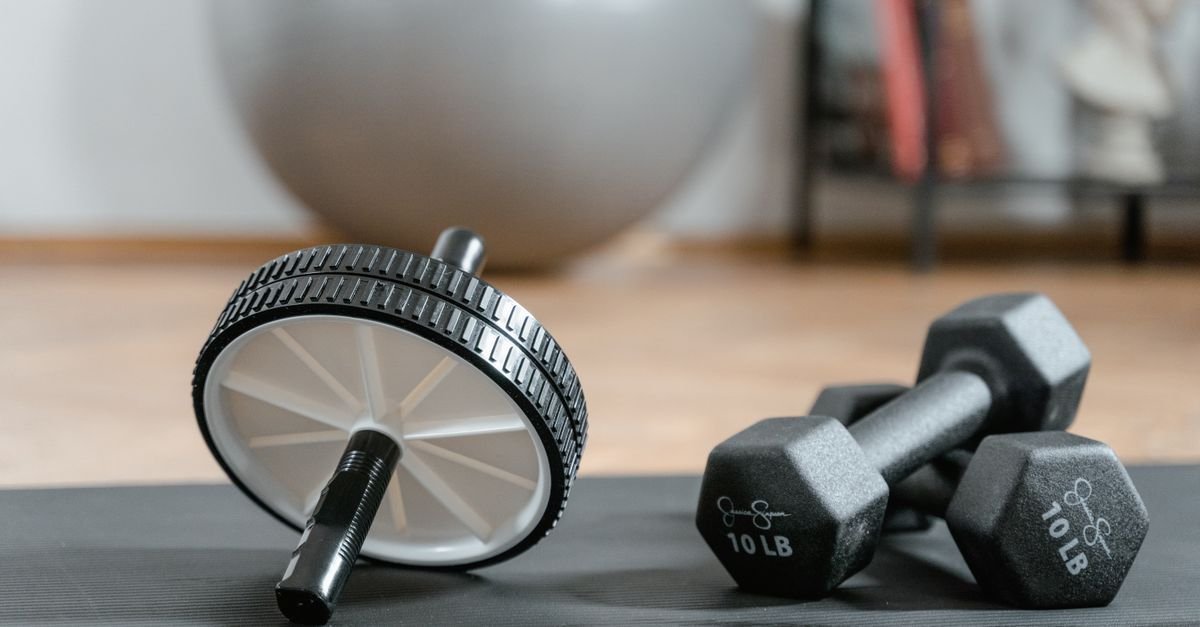
Think of fitness gear like kitchen gadgets. You can buy an avocado slicer, a garlic press, and a banana-shaped onion holder—but at the end of the day, a sharp knife does most of the work. The same goes for exercise. A pair of dumbbells, a mat, and some open space can take you further than a garage full of machines you never touch.
The best workout equipment is the equipment you’ll actually use. That’s it. That’s the whole secret. A $500 rowing machine collecting dust is worth less than a $10 jump rope you use three times a week. So before you spend a dime, ask yourself: Will this help me move more, or will it just take up space?
The Non-Negotiables: What Every Budget Home Gym Needs
You don’t need much to start. These basics cover most workouts, from strength training to light cardio.
A Good Pair of Shoes (or Not?)
For running, walking, and high-impact workouts, shoes matter. They protect your joints and keep your feet happy. But you don’t need the latest $180 pair. Look for last season’s model, check outlet stores, or find lightly used shoes in good condition. The fit matters more than the brand. If it feels snug in the heel, roomy in the toes, and cushioned underfoot, you’re golden.
For lifting, you might not need shoes at all. Many people lift barefoot or in flat-soled shoes like Converse. That’s a budget win. Just make sure your feet feel stable and supported.
The Sock Factor
Don’t overlook socks. Cheap cotton socks can rub, slip, and cause blisters. A few pairs of moisture-wicking socks are worth the small investment. They make your shoes feel better and keep your feet dry. It’s a tiny upgrade with a big payoff.
Comfortable, Breathable Clothing
You don’t need matching sets or compression everything. You need clothes that let you move without adjusting every five seconds. Old t-shirts, shorts, and leggings work fine. If you’re working out at home, nobody’s watching. If you’re going to a gym, nobody’s judging as much as you think. Comfort beats cute every time.
A Water Bottle and a Towel
Hydration and sweat management are simple. Any reusable water bottle works. Any towel works. You probably already own both. If you want to get fancy, a microfiber towel dries fast and takes up little space. But a regular hand towel is perfectly fine.
Strength Training on a Budget: Free Weights vs. Bodyweight
Strength training is where budget gear shines. You don’t need a full rack of dumbbells or a cable machine. You need resistance, and resistance comes in many cheap forms.
Dumbbells and Kettlebells: When to Buy
If you’re going to buy one piece of strength equipment, make it a set of adjustable dumbbells or a couple of kettlebells. Adjustable dumbbells let you change weight with a twist or a pin, so you can grow stronger without buying a new pair every month. They cost more upfront but save money over time.
Kettlebells are great for swings, squats, and carries. One moderate-weight kettlebell can challenge your whole body. Check used listings first. People sell them all the time after realizing they preferred yoga or running.
Resistance Bands: The Tiny Titans
Resistance bands are the Swiss Army knives of budget fitness. They’re cheap, portable, and surprisingly tough. You can use them for warm-ups, glute activation, shoulder work, and even full-body workouts. A set with different resistance levels costs less than a single dumbbell. They fit in a drawer. They travel well. If you’re short on cash and space, bands are a no-brainer.
A Mat That Doesn’t Slip
You need a mat for floor work, stretching, yoga, and core exercises. A cheap mat that slides around is worse than no mat at all. Look for one with decent thickness and a textured surface. You don’t need a $100 eco-friendly cork mat. A basic 6mm PVC or TPE mat will do the job. Just make sure it doesn’t bunch up under your feet.
Cardio Without Breaking the Bank
Cardio equipment is where budgets often explode. Treadmills, ellipticals, and bikes can cost thousands. But you can get a great cardio workout for almost nothing.
Jump Rope: The $10 Cardio Machine
A jump rope is a masterpiece of cheap fitness. It improves coordination, burns calories, and takes up almost no space. You can do it in your backyard, garage, or living room if you have high ceilings. Start with a basic adjustable rope. If you get serious, upgrade to a speed rope later. But the $10 version will humble you fast.
Running: Shoes, Routes, and Free Apps
Running is the most budget-friendly cardio there is. You need shoes, maybe socks, and a safe route. That’s it. Free apps like Nike Run Club, Strava, or MapMyRun can track your distance and pace. You don’t need a treadmill. You don’t need a gym membership. You just need to step outside and move.
If running hurts your knees, try walking, hiking, or cycling. The best cardio is the one you’ll repeat.
Used Cardio Equipment: Treadmills, Bikes, and Ellipticals
If you really want a machine, buy used. People sell treadmills and exercise bikes for pennies on the dollar when they move, downsize, or lose motivation. Check Facebook Marketplace, Craigslist, and local thrift stores. Test it before you buy. Listen for weird noises. Check the belt and console. A used machine in good condition can save you hundreds.
The Home Gym Essentials You Can Skip
Let’s talk about what you don’t need. This list might save you more money than any coupon code.
Fancy Machines and As Seen on TV Gadgets
Ab crunchers, vibration plates, thigh masters, and weird twisting devices—most of them are gimmicks. They promise six-pack abs in five minutes. They deliver clutter. Stick to basic movements: squats, push-ups, rows, planks, lunges. They work. They’re free. They don’t need batteries.
Matching Sets and Trendy Activewear
Trendy activewear is fun, but it’s not a requirement. You don’t need $90 leggings to do a YouTube workout in your living room. Buy what’s comfortable and affordable. If you feel good in it, great. If not, save your money for gear that actually improves your training.
Smartwatches and Subscription Apps
A smartwatch can be motivating, but it’s not essential. Your phone can track steps, runs, and workouts. Free apps offer plenty of guided workouts. Subscription fitness apps can be useful, but they add up. Try free trials and free versions first. Don’t pay for motivation you can get from a calendar and a promise to yourself.
When a Smartwatch Makes Sense
If you’re training for a race, managing a health condition, or you love data, a smartwatch can be worth it. But for most people just starting out, it’s a luxury, not a necessity. Buy it after you’ve built the habit, not before.
How to Build Your Budget Exercise Kit Step by Step
Building a budget-friendly setup isn’t about buying everything at once. It’s about adding pieces as you need them. Here’s a simple path.
Step 1: Start With What You Own
Before you buy anything, look around your home. Do you have a yoga mat from years ago? A pair of dumbbells in the garage? A resistance band in a drawer? Use what you have first. You might already have a starter kit without realizing it.
Step 2: Choose One Goal
Are you trying to build strength, lose weight, improve mobility, or just move more? Your goal determines your gear. For strength, prioritize weights or bands. For cardio, prioritize shoes or a jump rope. For mobility, prioritize a mat and maybe a foam roller. Don’t buy for every goal at once.
Step 3: Buy Used or Borrow First
Before buying new, check used options. Borrow from a friend. Rent from a library if they offer fitness equipment. Try a community center. You’ll learn what you actually like before spending money.
Step 4: Add One Piece at a Time
Add gear only when it solves a specific problem. Can’t do a workout because you need a heavier weight? Buy one. Can’t follow a yoga video because your mat slips? Buy a better mat. This keeps your spending intentional and your space uncluttered.
Where to Find Cheap Exercise Gear
You don’t have to pay retail. Here are the best places to hunt for bargains.
Thrift Stores and Garage Sales
Thrift stores are goldmines for dumbbells, mats, and sometimes even kettlebells. Garage sales are even better because people want things gone. Go early, bring cash, and don’t be afraid to negotiate. Check items for cracks, tears, or missing parts.
Online Marketplaces
Facebook Marketplace, Craigslist, OfferUp, and Nextdoor are packed with used fitness gear. Search terms like “dumbbells,” “yoga mat,” and “exercise bike.” Set alerts for specific items. Be patient. Good deals go fast, but they’re worth the wait.
Discount Retailers and Clearance Sales
Stores like Ross, TJ Maxx, Marshalls, and Walmart often have affordable fitness gear. Check end-of-season sales and clearance racks. Online retailers like Amazon and Walmart have budget-friendly options too, but read reviews carefully. Cheap doesn’t always mean good.
DIY and Household Items That Actually Work
You can get creative with what you already own. Just be safe and smart.
Backpack Weights and Water Jugs
A backpack filled with books or water bottles can add resistance to squats, lunges, and push-ups. A gallon water jug works as a makeshift kettlebell for carries and squats. Just make sure the weight is secure and balanced.
Towels, Chairs, and Walls
A towel can be a slider for core exercises. A sturdy chair can support triceps dips or step-ups. A wall is perfect for wall sits and push-ups. Your home is already a gym if you look at it differently.
Setting Up a Budget Home Gym in Small Spaces
You don’t need a spare room. You need a corner and a plan.
Vertical Storage and Foldable Gear
Use vertical space. Hang resistance bands on hooks. Store dumbbells on a small rack or under a bed. Choose foldable equipment like a folding bench or jump rope. The less floor space you use, the more likely you’ll keep your workout area usable.
The One-Corner Workout Zone
Pick one corner for your gear. Keep your mat rolled up, your bands in a basket, and your weights nearby. When you’re ready to work out, you just grab and go. This reduces friction and makes exercise feel easier to start.
Budget Gear for Specific Workouts
Different workouts need different tools. Here’s a quick breakdown.
Walking and Running
- Supportive shoes
- Moisture-wicking socks
- Phone armband or fanny pack (optional)
- Free running app
Strength and Muscle
- Adjustable dumbbells or a few fixed dumbbells
- Resistance bands
- Kettlebell
- Sturdy backpack for added weight
Yoga and Mobility
- Non-slip yoga mat
- Yoga blocks (or thick books)
- Strap (or a belt/towel)
- Foam roller (optional but nice)
HIIT and Conditioning
- Jump rope
- Timer or interval app
- Mat for floor work
- Light dumbbells or bands
How Much Should You Actually Spend?
You can build a solid setup for under $100 if you shop smart. Here’s a rough guide:
- Starter kit: $0–$50. Use what you own. Add a jump rope or resistance bands.
- Intermediate kit: $50–$150. Add adjustable dumbbells, a good mat, and proper shoes.
- Advanced budget kit: $150–$300. Add a kettlebell, a few weights, and maybe a used cardio machine.
Spend on what you’ll use most. If you run every day, invest in shoes. If you lift, invest in weights. If you’re not sure, start cheap and upgrade later.
Maintenance and Safety on a Budget
Cheap gear can last a long time if you take care of it. And safety should never be optional.
When to Replace Shoes and Bands
Running shoes lose their cushioning after 300–500 miles. If your knees ache or the soles look worn, replace them. Resistance bands can snap or lose elasticity. Check them for nicks and tears. Replace them before they break mid-workout.
Cleaning and Storing Gear
Wipe down mats, dumbbells, and bands after use. Store them in a dry place. Keep bands out of direct sunlight. Roll your mat instead of folding it. Small habits keep your gear alive longer.
Common Budget Gear Mistakes to Avoid
Even frugal shoppers make mistakes. Watch out for these:
- Buying too much too soon.
- Choosing cheap gear that breaks quickly.
- Ignoring fit and comfort for the lowest price.
- Copying someone else’s setup instead of matching your goals.
- Forgetting that consistency beats equipment every time.
Remember: the best gear is the gear you use. A simple setup you enjoy beats a fancy one you avoid.
Conclusion: Your Wallet and Your Workout Can Coexist
You don’t need a fancy home gym to get fit. You need a few smart pieces, a little creativity, and the willingness to show up. A jump rope, a mat, some resistance bands, and a pair of decent shoes can take you farther than you’d imagine. Buy used when you can. Start with what you own. Add gear only when it solves a real problem. Your bank account will thank you, and your body will too. Fitness isn’t about spending more—it’s about moving more. So pick one thing, start today, and let the gear catch up later.
FAQs About Budget Exercise Gear
1. What is the absolute minimum gear I need to start working out?
You need comfortable clothes, a water bottle, and enough space to move. If you want a little more, add a mat and a resistance band. That setup covers strength, mobility, and light cardio. You can do a lot with bodyweight alone.
2. Are cheap resistance bands as good as expensive ones?
Not always. Very cheap bands can snap or roll up during use. Look for bands with good reviews and layered construction. You don’t need the most expensive set, but avoid the flimsiest ones. A mid-priced set from a reputable brand is usually worth it.
3. How can I find used exercise equipment safely?
Meet in a public place, inspect the item before buying, and test it if possible. For electronics, check cords and consoles. For weights, check for cracks. For shoes, check the soles and cushioning. If it feels unsafe, walk away.
4. Do I need a treadmill or can I just run outside?
Running outside is free and effective. A treadmill is convenient if the weather is bad or you prefer indoor workouts. But it’s not necessary. Start with outdoor running or walking. If you stick with it, look for a used treadmill later.
5. How do I stop buying gear I don’t need?
Set a rule: buy only when a specific workout requires it. Keep a wish list for 30 days. If you still want it and will use it weekly, buy it. Otherwise, skip it. Remember, motivation comes from action, not from shopping.



