Table of Contents
- Strength Exercises for Everyday Lifting: Build a Body That Works With You
- Why Everyday Lifting Matters More Than You Think
- The Difference Between Gym Strength and Real-World Strength
- The Five Pillars of Everyday Lifting Strength
- Hip Hinge Power
- Squat Stability
- Grip and Carry Strength
- Core Bracing
- Shoulder and Back Support
- How to Warm Up for Daily Lifting
- Dynamic Mobility Drills
- Activation Exercises
- Top Strength Exercises for Everyday Lifting
- Deadlift Variations
- Conventional Deadlift
- Romanian Deadlift
- Suitcase Deadlift
- Squat Variations
- Goblet Squat
- Front Squat
- Split Squat
- Carry and Load Exercises
- Farmer’s Walk
- Suitcase Carry
- Front Loaded Carry
- Pushing and Pulling Strength
- Push Press
- Bent-Over Row
- Lat Pulldown
- Core and Anti-Rotation
- Plank with Pull-Through
- Pallof Press
- Dead Bug
- How to Build a Weekly Everyday Lifting Routine
- Day 1: Hinge and Carry
- Day 2: Squat and Push
- Day 3: Pull and Core
- Progression: How to Get Stronger Without Getting Hurt
- Common Mistakes When Training for Everyday Lifting
- Equipment You Actually Need
- How to Fit Strength Training Into a Busy Day
- Injury Prevention and Recovery
- Nutrition and Sleep for Strength
- How Long Until You Notice Results?
- Conclusion: Lift Life Better
- FAQs About Strength Exercises for Everyday Lifting
- What are the best strength exercises for everyday lifting?
- Can I train everyday lifting strength at home?
- How often should I do these exercises?
- Do I need heavy weights?
- Will strength training make me bulky?
Strength Exercises for Everyday Lifting: Build a Body That Works With You
You know the moment. You bend down to grab a case of water, a squirming toddler, or a box of books, and your lower back whisper-yells at you. Maybe it’s not pain. Maybe it’s just the feeling that your body should handle this better. That’s where strength exercises for everyday lifting come in.
This isn’t about chasing a bodybuilding trophy. It’s about making real life feel lighter. Groceries, luggage, furniture, kids, garden soil, moving boxes—your body is a tool. When you train it well, daily tasks stop being mini emergencies. They become normal movement. Strong movement.
Let’s walk through the best strength exercises for everyday lifting, how to program them, and how to avoid the mistakes that keep people stuck on the sidelines.
Why Everyday Lifting Matters More Than You Think
Every time you pick something up, your body runs a quick checklist. Feet stable? Hips ready? Core braced? Grip solid? If any link fails, another body part pays the price. That’s why a weak back, tired grip, or shaky core can turn a simple Costco run into a gamble.
Strength exercises for everyday lifting train those links. They teach your hips to hinge, your knees to bend, and your shoulders to support load. They also build confidence. When you know how to lift safely, you stop hesitating. You move with intent instead of fear.
Think of it like upgrading from a compact car to a pickup truck. The pickup doesn’t just look tougher. It hauls more, handles rough roads better, and doesn’t rattle apart when you load it up. Your body can do the same when you train for function, not just appearance.
The Difference Between Gym Strength and Real-World Strength
Gym machines have their place. They isolate muscles, build size, and help beginners learn patterns. But real-world lifting is messy. A dumbbell doesn’t shift its weight halfway up. A child does. A box of books doesn’t sit perfectly centered. A bag of mulch leans to one side.
Real-world strength needs stability, grip endurance, and core control. It needs your body to work as a chain, not a collection of separate parts. That’s why a person who can leg press a truck might still struggle to carry two suitcases up a flight of stairs. The machine did the balancing for them. Life won’t.
So the best strength exercises for everyday lifting use free weights, carries, hinges, squats, pushes, pulls, and anti-rotation moves. They force your body to solve problems. That’s how you build strength that transfers.
The Five Pillars of Everyday Lifting Strength
Before you grab a barbell, understand the five pillars. These are the foundation of safe, strong daily movement. Build them and you’ll handle life’s heavy moments with far less drama.
Hip Hinge Power
The hip hinge is the king of picking things up from the floor. It’s what you do when you deadlift, but it’s also what you should do when you grab a grocery bag. Instead of rounding your back, you push your hips back, keep your spine neutral, and let your legs and glutes do the work. If your hips can’t hinge, your back will pay the bill.
Squat Stability
Squatting isn’t just for the gym. You squat to sit on a low couch, get out of a car, pick up a laundry basket, or lift a child. Strong quads, glutes, and trunk muscles make those movements easier. Stability matters too. A wobbly squat is a recipe for knee pain and frustration.
Grip and Carry Strength
Your grip is the first link in the chain. If your hands fail, nothing else matters. Carries like farmer’s walks train your forearms, shoulders, and core all at once. They also mimic real life: hauling bags, tools, buckets, and boxes. A strong grip makes everything else feel lighter.
Core Bracing
Your core isn’t just abs. It’s a cylinder of muscles around your spine. When you brace, you create pressure that protects your back. Think of it like inflating a tire before a heavy load. A soft core collapses under weight. A braced core transfers force from your legs to your arms.
Shoulder and Back Support
Your upper back and shoulders keep the load close and controlled. Rows, pulldowns, and presses build the muscles that hold heavy things against your chest or over your head. Without them, you round forward, lose tension, and strain your neck or lower back.
How to Warm Up for Daily Lifting
You don’t need a 30-minute circus act before you train. But you do need to wake up the joints and muscles you’re about to use. A good warm-up raises your heart rate, improves mobility, and turns on the right muscles. It’s like turning on the lights before you walk through a room.
Dynamic Mobility Drills
Start with movement, not static stretching. Try cat-cow, hip circles, leg swings, arm circles, and bodyweight squats. Do each for 30 to 45 seconds. You’re not trying to touch your toes forever. You’re telling your body, “Hey, we’re about to lift things. Pay attention.”
Activation Exercises
Next, wake up your glutes and core. Glute bridges, bird dogs, and banded lateral walks are perfect. They don’t need to be hard. They just need to create a connection. When your glutes fire, your back relaxes. When your core turns on, your lifts feel stronger.
Top Strength Exercises for Everyday Lifting
Now for the meat and potatoes. These exercises cover the patterns you use every day: bending, squatting, carrying, pushing, pulling, and bracing. You don’t need all of them in one workout. Pick a few, train them consistently, and progress over time.
Deadlift Variations
Deadlifts teach you how to pick up heavy stuff from the ground. They’re one of the most direct strength exercises for everyday lifting. But not every deadlift needs to be a max-out barbell lift. Variations let you train the pattern without frying your nervous system.
Conventional Deadlift
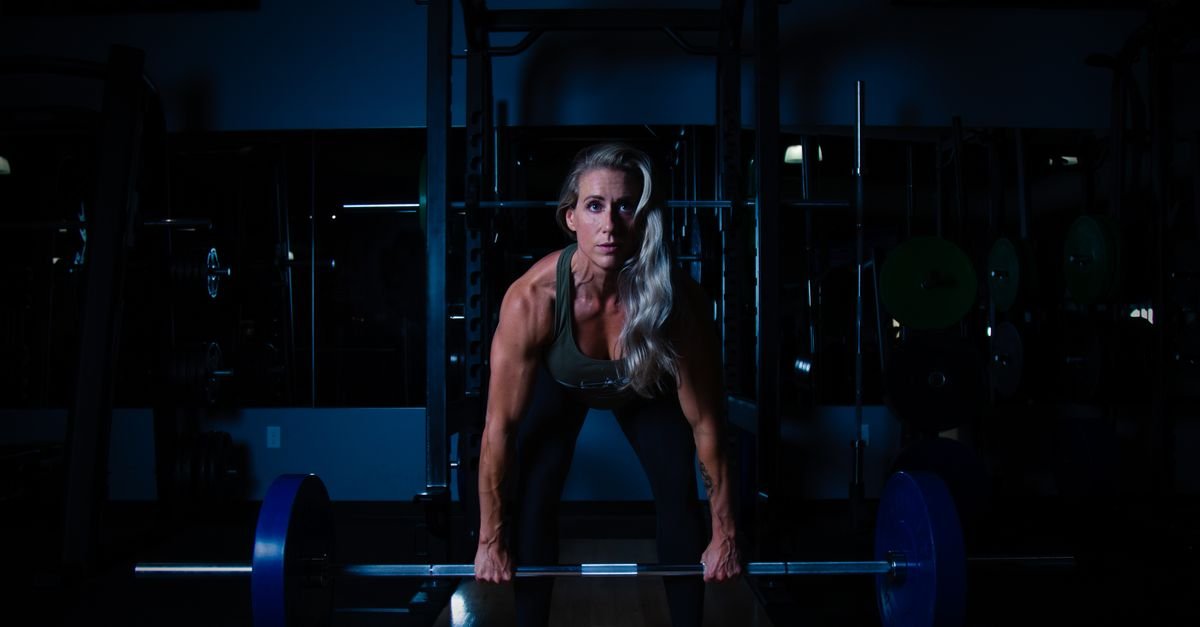
The classic. Feet hip-width, bar over midfoot, hinge at the hips, grip the bar, brace, and stand up. It builds your entire posterior chain: glutes, hamstrings, back, and grip. Keep the bar close, and don’t yank. Think “push the floor away” instead of “pull with your back.”
Romanian Deadlift
The Romanian deadlift focuses on your hamstrings and glutes with less knee bend. Start standing, push your hips back, lower the weight along your legs, and feel the stretch. Stop when your back wants to round. This exercise is gold for anyone who spends all day sitting and then has to lift something heavy.
Suitcase Deadlift
Load one dumbbell or kettlebell beside you. Hinge down, grab it, and stand tall without leaning. This challenges your core to resist sideways collapse. It’s like carrying a heavy suitcase, but with better form. Do both sides.
Squat Variations
Squats build the leg and core strength you need for sitting, standing, and lifting from low positions. They also improve hip and ankle mobility. If barbell squats feel intimidating, start with these variations.
Goblet Squat
Hold a dumbbell or kettlebell at your chest. Sit down between your hips, keep your chest tall, and stand back up. The front load teaches you to brace and keeps you upright. It’s one of the best beginner-friendly strength exercises for everyday lifting.
Front Squat
With a barbell on your front shoulders or two kettlebells in the rack position, front squats hammer your quads and upper back. They demand more core stability than back squats, which translates to better real-world lifting posture.
Split Squat
Split squats and lunges train one leg at a time. That’s important because life isn’t always symmetrical. Carrying a child on one hip, climbing stairs with a laundry basket, or stepping over a gate all require single-leg strength and balance.
Carry and Load Exercises
If you want to know why carries are so powerful, try carrying two heavy grocery bags for a block. Your grip, shoulders, core, and legs all join the party. Carries build stamina and teach your body to stay tall under load.
Farmer’s Walk
Pick up a heavy dumbbell or kettlebell in each hand. Stand tall, brace, and walk with controlled steps. Don’t let your shoulders slump or your ribs flare. Start with 20 to 30 meters. This exercise is simple, brutal, and incredibly practical.
Suitcase Carry
Hold one weight at your side and walk without leaning. Your core has to fight the urge to tip. This is perfect for anyone who carries a heavy bag, toolbox, or toddler on one side. Switch sides each round.
Front Loaded Carry
Hold a kettlebell or sandbag at your chest and walk. This builds upper back strength and teaches you to keep the load close. It mimics carrying a heavy box or a sleeping child. Keep your elbows tucked and your ribs down.
Pushing and Pulling Strength
Pushing and pulling show up everywhere. You push a stroller, a lawnmower, or a stuck door. You pull a suitcase, a sled, or a heavy box off a shelf. Training these patterns keeps your shoulders and back balanced.
Push Press
The push press uses a small dip from your legs to drive a weight overhead. It builds shoulder strength and power, which helps when you lift something above your head. Keep your core tight and don’t arch your lower back.
Bent-Over Row
Hinge forward with a flat back, hold a dumbbell in each hand, and pull them toward your ribs. Rows strengthen your upper back, lats, and grip. They also help fix rounded shoulders from too much sitting. Think “pull with your elbows,” not “shrug with your hands.”
Lat Pulldown
If you can’t do pull-ups yet, lat pulldowns are a great alternative. Pull the bar to your upper chest, squeeze your lats, and control the return. Strong lats help you carry heavy loads close to your body and protect your shoulders.
Core and Anti-Rotation
Your core’s main job during lifting is to stop movement, not create it. Anti-rotation exercises teach your trunk to stay stable while your arms and legs move. That’s exactly what happens when you carry an uneven load.
Plank with Pull-Through
Get into a plank position with your feet wider than usual. Reach one arm under your body and pull a dumbbell or kettlebell across. Keep your hips square. This builds core stability and shoulder control.
Pallof Press
Stand sideways to a cable or band. Press the handle straight out from your chest and resist the pull that wants to rotate you. Hold for a second, then return. This is one of the best anti-rotation exercises for everyday lifting.
Dead Bug
Lie on your back, arms up, knees bent at 90 degrees. Slowly lower one arm and the opposite leg while keeping your lower back pressed into the floor. It looks easy until you try it. Dead bugs teach you to brace while moving, which is exactly what lifting requires.
How to Build a Weekly Everyday Lifting Routine
You don’t need to train six days a week. Three focused sessions can transform how you handle daily life. Here’s a simple template. Do each workout with 2 to 3 sets per exercise, 6 to 12 reps for strength moves, and 20 to 40 meters for carries.
Day 1: Hinge and Carry
Start with Romanian deadlifts or conventional deadlifts. Then do farmer’s walks and suitcase carries. Finish with dead bugs and Pallof presses. This day builds your back, glutes, grip, and core.
Day 2: Squat and Push
Goblet squats or front squats come first. Then push presses and split squats. Add a front loaded carry and plank pull-throughs. This workout trains your legs, shoulders, and trunk.
Day 3: Pull and Core
Bent-over rows and lat pulldowns lead the session. Follow with suitcase deadlifts, farmer’s walks, and dead bugs. This day balances all the pushing and keeps your posture strong.
Progression: How to Get Stronger Without Getting Hurt
Progress isn’t about adding weight every single workout. It’s about giving your body a slightly bigger challenge over time. You can add reps, add sets, slow down the tempo, improve your range of motion, or add weight. Pick one variable and nudge it.
Think of progression like turning up the volume on a speaker. If you jump from 2 to 10, you blow the speakers. If you go from 2 to 3, then 4, your body adapts. Aim for smooth, steady increases. Leave a rep or two in the tank. You’re training for life, not a one-time lift.
Common Mistakes When Training for Everyday Lifting
One big mistake is training only mirrors muscles. Biceps and chest are fine, but they won’t save your back when you lift a couch. Another mistake is ignoring carries. People love deadlifts and squats, then wonder why their grip gives out at the grocery store.
Other common issues include rushing the eccentric, holding your breath, and using weights that are too heavy for your current control. Ego lifting is the enemy of everyday strength. If your form breaks, the weight is too heavy for that rep. Drop it, reset, and own the movement.
Equipment You Actually Need
You don’t need a warehouse gym. A few dumbbells, a kettlebell, and a resistance band can take you far. A barbell and rack are great if you have space, but they’re not mandatory. A sandbag is another underrated tool because it shifts and challenges your core.
For home training, adjustable dumbbells save space. A pull-up bar or sturdy table can handle rows. A yoga mat helps floor exercises. Start with what you have. Consistency beats equipment every time.
How to Fit Strength Training Into a Busy Day
You don’t need a 90-minute workout. A 20-minute session can work wonders. Try a circuit: goblet squats, bent-over rows, farmer’s walks, and dead bugs. Do each for 40 seconds, rest 20 seconds, and repeat three times. That’s 12 minutes of focused work.
You can also split your training into “snacks.” Do squats while the coffee brews. Do carries while you carry groceries. Do rows with a band while watching TV. Small doses add up. Your body doesn’t care about perfect timing. It cares about consistent stress.
Injury Prevention and Recovery
Strength training should make you more resilient, not more fragile. Warm up. Use controlled reps. Stop when sharp pain appears. Soreness is normal; pain is a signal. If something hurts, back off and assess.
Recovery matters too. Sleep, hydration, and light movement help your tissues repair. Walking, stretching, and easy mobility work are underrated. Your body grows stronger during rest, not during the workout. Give it time to rebuild.
Nutrition and Sleep for Strength
You can’t out-train a bad diet and chronic sleep loss. Protein helps repair muscle. Carbs fuel your lifts. Fats support hormones. Vegetables and fruit give you micronutrients for recovery. You don’t need a perfect diet. You need enough food, enough protein, and enough water.
Sleep is the secret weapon. Most adults need 7 to 9 hours. When you sleep, your body releases growth hormone and repairs tissue. If you’re always tired, your lifts suffer, your motivation drops, and your injury risk rises. Treat sleep like part of your training plan.
How Long Until You Notice Results?
You’ll feel better before you look different. Within a week or two, daily tasks may feel easier. Stairs are less tiring. Grocery bags feel lighter. Your posture improves. Strength gains come quickly for beginners because your nervous system learns the movements.
Visible muscle changes take longer, usually 6 to 12 weeks with consistent training and nutrition. But the real win is function. You’ll bend, lift, and carry with more confidence. That confidence shows up everywhere, from moving furniture to playing with your kids.
Conclusion: Lift Life Better
Strength exercises for everyday lifting are not about becoming a gym rat. They’re about making your body capable. A strong hinge saves your back. A stable squat saves your knees. A solid grip saves your dignity when you’re carrying too many grocery bags at once.
Start small. Pick two or three exercises from this list. Train them twice a week. Add a little weight or a few reps over time. Warm up, brace your core, and keep the load close. Before long, you’ll notice that life feels lighter—not because the loads changed, but because you did.
FAQs About Strength Exercises for Everyday Lifting
What are the best strength exercises for everyday lifting?
The best ones train real movement patterns: deadlifts, goblet squats, farmer’s walks, rows, push presses, and core anti-rotation moves like the Pallof press. If you only pick a few, choose a hinge, a squat, a carry, and a row. Those cover most daily lifting needs.
Can I train everyday lifting strength at home?
Absolutely. You can use dumbbells, kettlebells, resistance bands, sandbags, or even water jugs. Bodyweight exercises like split squats, glute bridges, and dead bugs also help. The key is progressive resistance, not fancy equipment.
How often should I do these exercises?
Two to three strength sessions per week is plenty for most people. If you’re new, start with two and focus on form. As you get stronger, add a third day or increase intensity gradually. Rest days matter just as much as training days.
Do I need heavy weights?
Not necessarily. “Heavy” is relative. You need enough resistance to challenge your muscles while keeping good form. That could mean a 10-pound dumbbell or a 100-pound barbell. The goal is progressive overload, not comparing yourself to anyone else.
Will strength training make me bulky?
No, not unless you specifically train for maximum muscle size with a surplus of calories for years. Everyday lifting strength training builds a toned, capable body. It improves posture, joint health, and confidence. You’ll look better, but more importantly, you’ll move better.